
August is one of the best months to experience Copenhagen. Summer is still very much alive, the weather is usually warm and comfortable, and the city feels relaxed yet full of energy. Locals are out enjoying the long days, cafés spill onto sidewalks, and cultural events take place across the city. Whether you are visiting for a few days or staying longer, August offers a great balance of sightseeing, food, festivals, and everyday city life.
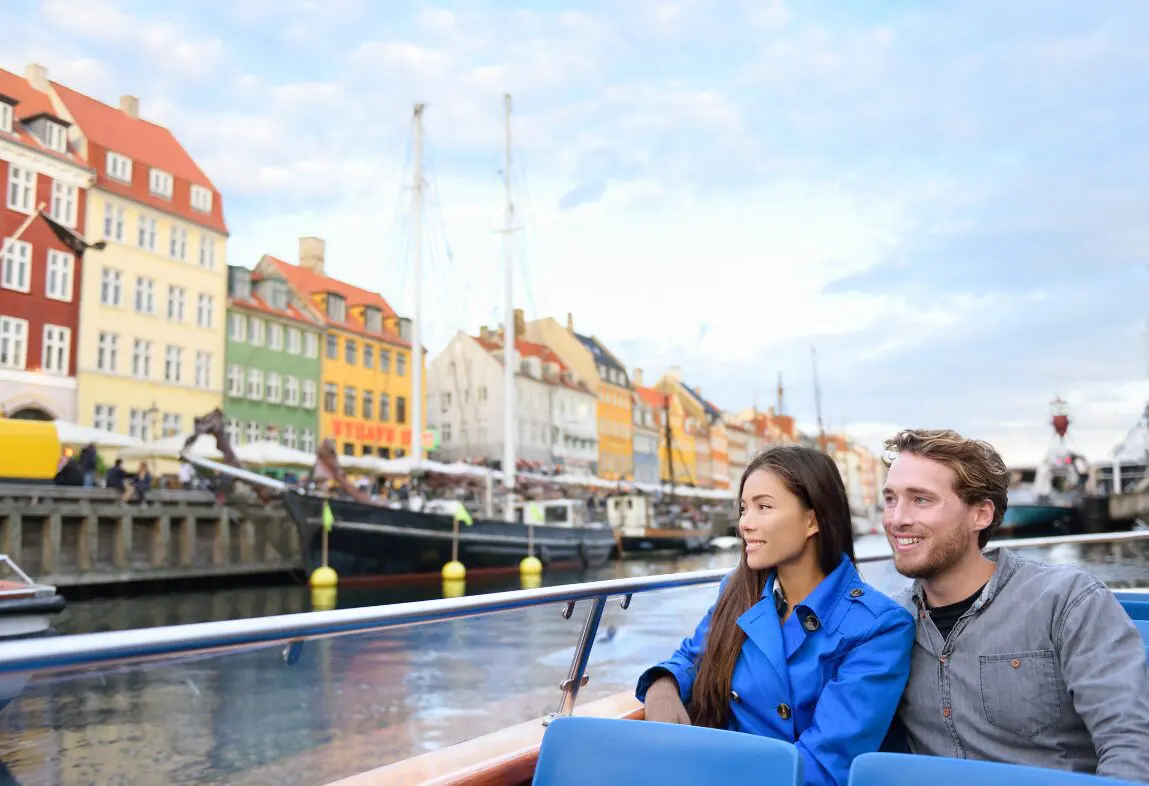
Summer atmosphere and weather
August in Copenhagen typically brings mild to warm temperatures, often ranging between 18 and 25 degrees Celsius. The days are still long, with plenty of daylight well into the evening, which makes it easy to explore the city at a slower pace. You will notice people biking everywhere, swimming in the harbor, and gathering in parks after work. The overall atmosphere feels open and social, and visitors are quickly drawn into the rhythm of the city.
Because the weather is generally pleasant, August is ideal for walking tours, foodtours, bike rides, and outdoor activities. It is also a good idea to dress in layers, as evenings can cool down, especially near the water.
Top Summer Events and Festivals

August in Copenhagen is filled with energy, and much of it comes from the many events and festivals taking place throughout the month. Culture, creativity, and community are very visible during this time, and visitors quickly notice how the city opens up and invites people to take part. Whether you are interested in music, fashion, or social movements, August offers plenty of opportunities to experience Copenhagen at its most lively.
Copenhagen Pride

Picture: Visit Copenhagen
Copenhagen Pride is one of the most important and visible events in Copenhagen in August. Usually held in mid August, it brings people together from across the city and (and the rest of Denmark) to celebrate diversity, openness, and equality. The highlight of the week is the Pride Parade, which moves through the streets in a colorful and joyful procession, attracting both participants and spectators in large numbers.
In the days leading up to the parade, the city hosts a wide range of events, including talks, workshops, parties, and cultural activities focused on LGBTQ+ rights and inclusion. Cafés, shops, schools, and organizations actively take part, decorating their spaces and showing support. Pride week feels less like a single event and more like a shared moment for the city, where acceptance and community are very much at the center.
Copenhagen Fashion Week

Picture: Vouge Scandinavia
Held in early August, Copenhagen Fashion Week brings a different kind of creative energy to the city. Designers, industry professionals, and fashion enthusiasts gather to see new collections and exchange ideas. While runway shows are at the center of the week, the event also includes presentations, exhibitions, and talks spread across the city.
Copenhagen Fashion Week is known for its strong focus on sustainability, and many designers use the platform to highlight responsible production and innovative materials. Even if you are not directly attending shows, you can feel the influence in the city, with pop up events, creative installations, and a noticeable buzz in certain neighborhoods. The event plays a big role in strengthening Copenhagen’s reputation as a forward thinking and design focused city.
Unmissable Attractions and Experiences

Copenhagen has no shortage of interesting places to visit in August, and the warmer weather makes it especially enjoyable to move between attractions at an easy pace. Some of the city’s most well known sights combine history, culture, and entertainment, giving visitors a good sense of what Copenhagen is all about. Tivoli Gardens, Rosenborg Castle, and the National Museum of Denmark are all popular stops and each offers a very different experience.
Tivoli Gardens
Tivoli Gardens has been part of Copenhagen since 1843 and remains one of the city’s most loved attractions. While it is known as an amusement park, Tivoli is much more than rides. Visitors can enjoy everything from classic roller coasters and swings to carefully designed gardens filled with flowers and small pathways. As evening falls, the park lights up, and the atmosphere becomes especially memorable.
Entertainment plays a big role at Tivoli during the summer months. Concerts, live music, and performances are often part of the experience, adding to the lively feel of the park. Food is another highlight. Whether you are looking for a quick snack or a sit down dinner, Tivoli offers a wide range of options, making it easy to spend several hours or even an entire day inside the park.
Rosenborg Castle
Rosenborg Castle offers a quieter but equally fascinating experience. Built in the early 1600s, the castle now functions as a museum and gives visitors a close look at Denmark’s royal past. Inside, the rooms are filled with crowns, jewels, and personal objects that once belonged to Danish kings and queens, all preserved in richly decorated surroundings.
The castle is located in the King’s Garden, one of Copenhagen’s most popular green spaces. Many visitors choose to walk through the garden before or after exploring the castle, enjoying the calm atmosphere and well kept grounds. Guided tours are available for those who want a deeper understanding of the history behind the building and the people who lived there, bringing the stories of the royal family to life.
National Museum of Denmark
The National Museum of Denmark is the place to go for anyone curious about the country’s history and cultural development. The museum covers a wide time span, from prehistoric artifacts to objects from the Viking Age and more recent periods. Walking through the exhibitions gives a clear sense of how Danish society has evolved over time.
The museum is designed to be welcoming and easy to explore, with interactive elements that appeal to both adults and children. In August, temporary exhibitions and special activities often add something extra to a visit. When you need a break, the museum café offers a comfortable place to sit down and relax before continuing your exploration.
Exploring Copenhagen’s Outdoor Spaces
Copenhagen is a city that invites you outdoors. Water, green spaces, and open areas are woven naturally into everyday life, making it easy for visitors to explore at a slow and comfortable pace. From historic waterfronts to calm gardens and long stretches of beach, these outdoor spaces show a softer, more relaxed side of the city.
Nyhavn and the Canals
Nyhavn is one of the most recognizable places in Copenhagen and a spot many people return to more than once during their visit. The colorful buildings along the waterfront date back centuries and reflect the area’s long connection to maritime life. Walking along the harbor, you will see old wooden ships, busy cafés, and people enjoying the atmosphere at all hours of the day.
The canals nearby offer another way to experience the city. A boat tour gives a different perspective and allows you to see landmarks such as the Opera House and the Little Mermaid from the water. Back on land, Nyhavn is a popular place to sit outside with a drink or a meal, especially in summer, when the waterfront feels lively without being rushed.
Botanical Gardens
Right in the middle of the city, the Botanical Gardens offer a quiet escape from the surrounding streets. The gardens have been part of Copenhagen since the 17th century and are home to plants from all over the world. Winding paths lead through carefully kept green areas, making it easy to spend time here without any set plan.
One of the highlights is the Palm House, where tropical plants grow under tall glass ceilings. The atmosphere is calm and warm, and many visitors slow down as soon as they step inside. The gardens are well suited for a relaxed walk, a short break on a bench, or a picnic on a sunny day.
Langeline Park
Langelinie Park stretches along the waterfront and is a favorite place for walking and cycling. The path runs close to the water and offers open views of the harbor, making it a pleasant route at any time of day. The Little Mermaid statue is located here, and many people combine a visit with a longer walk along the shoreline.
The park itself is simple and open, with lawns, flower beds, and plenty of places to sit and rest. In summer, the area often feels lively without being crowded, and the breeze from the water makes it comfortable even on warmer days. It is an easy place to spend an hour or two, especially if you enjoy being near the sea.
Amager Strandpark
Amager Strandpark offers a completely different outdoor experience. Located just a short distance from the city center, this beach park combines long stretches of sand with paths for walking and cycling. It feels open and spacious, with views across the water that make it easy to forget you are still close to the city.
The beach is popular for swimming, sunbathing, and casual sports, while the paths along the coast are ideal for a slow bike ride or an evening walk. Nearby, Kastrup Sea Bath adds a unique touch with its circular wooden structure and views over the Øresund Strait. With playgrounds and open areas, Amager Strandpark attracts both families and locals looking for a relaxed day outdoors.
Food Scene and Culinary Events
Copenhagen’s food scene feels especially alive in August. Summer brings people outdoors, and food becomes a social experience shared at festivals, markets, and long tables across the city. From large scale culinary events to simple local dishes enjoyed in the sun, August is a great time to explore how Copenhagen eats and drinks.
Copenhagen Cooking and Food Festival
One of the highlights of the month is Copenhagen Cooking, which usually takes place in August. The festival celebrates the city’s strong food culture and the chefs, producers, and ideas behind it. Events are spread across Copenhagen and range from casual tastings to larger communal dinners set up in public spaces.
Visitors can join workshops, attend talks, or simply show up and taste their way through different events. A big focus is placed on New Nordic cuisine, which centers around seasonal ingredients, local sourcing, and sustainable choices. Rather than feeling exclusive, the festival is designed to be open and welcoming, inviting everyone to take part and learn more about Danish food traditions and modern approaches to cooking.
Alongside the food itself, the festival often includes conversations about food culture, sustainability, and the future of dining. This gives the event a thoughtful layer and makes it interesting even for those who are simply curious rather than deeply food focused.
Food Markets
Food markets play an important role in Copenhagen’s everyday food culture, and in August they are at their best. These markets offer a relaxed way to sample different flavors without committing to a full restaurant meal.
Torvehallerne is one of the most well known markets in the city. Its glass covered halls are filled with stalls selling fresh produce, baked goods, cheeses, seafood, and ready made dishes. It is a popular lunch stop for locals and an easy place for visitors to explore a wide range of Danish and international food in one location.
Reffen, located by the water on Refshaleøen, offers a very different experience. This open air street food market is casual, lively, and social, with vendors serving everything from traditional Danish dishes to global street food. People gather here to eat, drink, listen to music, and enjoy long summer evenings by the waterfront.
Smørrebrød and Local Cuisine
Smørrebrød is one of the dishes most closely associated with Danish cuisine, and August is a good time to try it in its many variations. These open faced sandwiches are built on dark rye bread and topped with ingredients such as pickled herring, eggs, roast meat, and fresh herbs.
During the summer months, many cafés and restaurants add seasonal touches, using lighter toppings and fresh local ingredients. Some places specialize entirely in smørrebrød, offering menus that show how varied this simple idea can be.
Beyond smørrebrød, Danish food includes comforting classics like frikadeller, which are pan fried meatballs, and sweet dishes such as risalamande, a rice based dessert often associated with holidays. Tasting these foods offers a small but meaningful insight into Danish culinary traditions. To experience a wide range of Danish cuisine, join one of our guided food tours.
Ice Cream in Summer
Warm August days naturally call for ice cream, and Copenhagen has no shortage of places to enjoy it. Ice cream shops are scattered throughout the city, and many focus on high quality ingredients and handmade flavors.
Popular spots like Nyhavn 40 and Ismageriet are known for both classic options and more creative flavors, including elderflower, licorice, and seasonal fruit. Vegan and dairy free choices are also easy to find.
Walking through Copenhagen with an ice cream in hand is a simple pleasure and very much part of summer life in the city. It is an easy way to slow down, enjoy the surroundings, and take part in everyday Copenhagen culture.
Frequently Asked Questions
Visitors often seek clarity about their summer experience in Copenhagen. Answers to common queries detail outdoor activities, family-friendly attractions, cultural festivals, free sites, appropriate attire, and tips for maximizing a brief stay.
What are the best outdoor activities to experience in Copenhagen during August?
Cycling along the city’s many bike paths is a popular choice in August. The weather is ideal for riding through scenic spots like Nyhavn and The Lakes. Additionally, kayaking in the harbor offers a unique perspective of the city. Coming to Copenhagen in September? Read out post about things to do in Copenhagen in September.
Where can I find family-friendly attractions in Copenhagen for a summer visit?
For family-friendly fun, Tivoli Gardens is a must-visit. This amusement park combines thrilling rides with beautiful gardens. The Copenhagen Zoo also provides engaging experiences for children, showcasing a variety of animals in a natural setting.
Can you recommend any cultural festivals or events happening in Copenhagen in August?
August hosts several notable events, including Copenhagen Pride Week, which celebrates diversity with parades and parties. The Copenhagen Opera Festival also takes place, featuring performances in various outdoor venues. The Chart Art Fair showcases contemporary art and creativity.
Are you thinking about travelling to Copenhagen in others months? Read out blogs about january, february, april, june, september, oktober, and december.
What are some top free attractions to visit in Copenhagen in August?
The city offers free attractions such as the beautiful Nyhavn waterfront and the idyllic King’s Garden. Visitors can also explore the historic sites of Christiania and the impressive architecture of Frederiksberg Palace’s gardens without an entry fee. Also read out article about free things to do in Copenhagen.
How should I dress for the weather in Copenhagen in August?
August weather in Copenhagen can be warm but variable, with temperatures averaging between 15°C to 22°C (59°F to 72°F). Light layers are recommended, along with a waterproof jacket for potential rain, ensuring comfort throughout the day.
How can I make the most of a short, three-day trip to Copenhagen in August?
To maximize a three-day trip, prioritize key landmarks like the Little Mermaid statue, Rosenborg Castle, and the Round Tower. Planning an itinerary that includes guided tours or local food experiences can also enhance the visit, making it memorable and enriching.