
Copenhagen in December transforms into a christmas wonderland, brimming with festive seasonal activities. Visitors can explore twinkling Christmas markets, where charming stalls offer handmade goods and warm treats. The city is alive with events, from magical light displays to ice skating in Kongens Nytorv.

Photo from Tivoli
One of December’s real highlights is a visit to Tivoli Gardens, where the entire park is transformed with warm, sparkling Christmas lights that create a magical holiday atmosphere. And just a short walk away, the historic Nyhavn harbor turns into a charming winter spot, dressed in festive decorations and perfect for wandering along the waterfront while sampling a bit of local food and culture.
Copenhagen’s vibrant holiday scene in December also includes opportunities to savor traditional Danish pastries and enjoy local traditions. From holiday concerts to winter activities, the city ensures that there is something for everyone to enjoy during this festive season.
Festive Experiences and Christmas Markets
Tivoli Gardens Winter Wonderland
Tivoli Gardens is one of those places you simply can’t miss as a thing to do in December. The park turns into a true Winter Wonderland, with millions of lights creating a warm and magical atmosphere. Visitors can wander through the cozy pathways, browse the Christmas stalls, and enjoy the classic rides, all wrapped in festive charm.
There’s also plenty happening around the park, from live concerts to small theatre shows. The smell of roasted almonds and warm Gløgg drifts through the air, adding to the experience. And for families, meeting Santa is always a big highlight, bringing joy to everyone.
Nyhavn Christmas Market
The Nyhavn Christmas Market in December is set against the iconic row of colorful 17th-century houses, creating a postcard-worthy backdrop for a winter stroll. The market in Nyhavn and Kgs. Nytorv is full of small stalls selling handcrafted gifts, local specialties, and all sorts of cosy holiday items. It’s a great place to pick up ornaments, candles, knitted pieces, or other thoughtful presents.
You’ll also find plenty of tempting street food, including classics like æbleskiver and warm, caramelized nuts. Live music and carolers drift through the air, giving the whole area a relaxed, festive feel and making Nyhavn an easy place to linger and enjoy the holiday spirit. Also, in december there is an ice skating rink in Kgs. Nytorv for all ages.
Festive Decorations in Copenhagen
Copenhagen’s streets really come to life in December. The city center glows with twinkling lights that make the whole place feel warm and inviting. Many of the main streets and squares are dressed up with light sculptures, garlands, and other festive touches.
Along Strøget and around Rådhuspladsen, shop windows are carefully decorated for the season, turning even a simple stroll into something special. Cafés and restaurants join in as well, putting up their own decorations and serving seasonal treats that make it easy to slip into the holiday mood. At the end of November, the Christmas tree in the main square, Rådhuspladsen, is usually lit up, marking the start of the holiday season.
Hotel d’Angleterre and Iconic Displays
The iconic Hotel d’Angleterre is always a standout during the festive season. The hotel is known for its elegant atmosphere, and its Christmas decorations never fail to attract attention. Outside, grand wreaths and sparkling lights cover the façade, creating a beautiful backdrop that people love to stop and photograph.
Step inside, and the mood continues with afternoon tea and festive dining options served in truly luxurious surroundings. The hotel’s Christmas tree is a highlight in itself, beautifully decorated and adding to the holiday buzz in the very center of the city. It’s an ideal spot for anyone looking for a more refined and atmospheric Christmas experience.
Cultural Attractions and Iconic Landmarks
Copenhagen is full of cultural sights and well-known landmarks that tell the story of the city’s history and creative spirit. THese attractions can be visited all year round – even during the cold in december. Visitors can wander through royal palaces, explore important museums, and see the famous sculptures that have become symbols of Denmark.
Rosenborg Castle and the Crown Jewels

Rosenborg Castle was built in the early 17th century and is located in the heart of the King’s Garden, making it easy to combine a visit with a walk through one of Copenhagen’s most loved green spaces. The castle is home to the Danish Crown Jewels and royal regalia, offering a rare look into the country’s monarchy and the people who once lived and ruled here.
Architecturally, Rosenborg is a fine example of Dutch Renaissance style, but the real experience begins once you step inside. The rooms feel rich and layered with history, filled with paintings, furniture, and everyday objects that give a sense of life at court centuries ago. One of the most memorable spaces is the Great Hall, where detailed tapestries line the walls and the ceiling alone is worth stopping to admire.
What makes Rosenborg especially interesting is how personal it feels compared to larger royal palaces. The rooms are relatively intimate, which makes it easier to imagine the castle as a lived in residence rather than just a museum. You move through chambers that were once used for private life, celebrations, and important decisions, all preserved with great care.
After exploring the interior, many visitors take time to wander through the surrounding gardens. In December, the King’s Garden has a quieter, more reflective feel. Bare trees, crisp air, and fewer crowds create a calm atmosphere that contrasts nicely with the ornate rooms inside the castle. It is a peaceful way to end a visit and enjoy a slower moment in the middle of the city in december.
The Little Mermaid Statue

The Little Mermaid is one of Copenhagen’s most well-known landmarks and a place many visitors feel they have to see at least once. Inspired by Hans Christian Andersen’s fairy tale, the small bronze statue sits quietly on a rock along the Langelinie promenade, facing the water.
Many people are surprised by her size when they arrive. The statue is much smaller than expected, especially given how famous it is, but that modest scale is part of what makes it so memorable. Rather than dominating the area, she blends into her surroundings, almost as if she belongs there naturally.
Over the years, the Little Mermaid has become a symbol of longing and transformation, themes that run deeply through Andersen’s story. Visitors are often drawn not just to the sculpture itself, but to what it represents. There is a calm, reflective quality about her that encourages people to pause, take photos, and spend a moment thinking about the story behind the figure.
The setting adds to the experience. Standing by the statue, you can enjoy views of the harbor, watch boats pass by, and feel the rhythm of the city by the water. It is a simple stop, but one that often leaves a lasting impression, especially when visited at a quieter time of day.
National Museum of Denmark

The National Museum of Denmark is the country’s largest museum dedicated to cultural history and offers a broad look at how life in Denmark has developed over thousands of years. Its collections span from the Stone Age all the way to modern times, making it an easy place to understand the bigger picture of Danish history in one visit.
Inside the museum, you will find everything from Viking Age artifacts to objects from everyday life in different periods. The Viking section is a highlight for many visitors, with weapons, tools, and personal items that help bring that era to life. Beyond this, the museum also explores traditional Danish culture, including clothing, homes, and customs, as well as Denmark’s connections to the wider world through trade and exploration.
What sets the National Museum apart is how approachable it feels. The exhibitions are designed to be engaging rather than overwhelming, making it suitable for both adults and families. In December, the atmosphere becomes even livelier, as the museum often hosts seasonal events and activities that add an extra layer to the visit.
Whether you spend a few hours or an entire afternoon, the National Museum offers a thoughtful and informative experience. It is a good place to slow down, especially during the winter months, and gain a deeper understanding of how Denmark’s history and culture have shaped the country as it is today.
Glyptotek and Art Collections
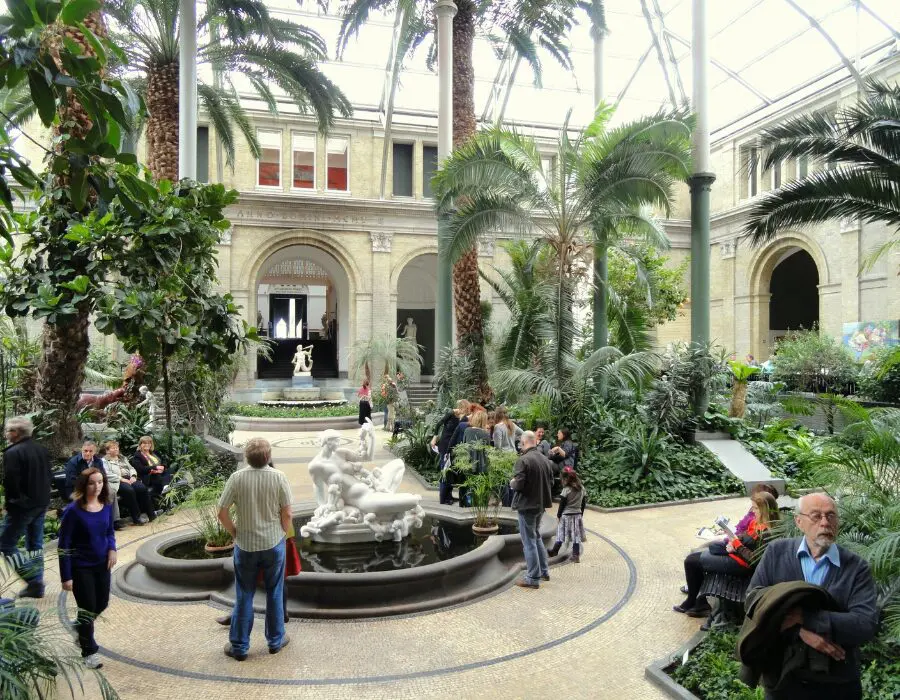
The Ny Carlsberg Glyptotek is known for its rich collection of both classical and modern art and is a favorite among visitors who enjoy taking their time with art. The museum was founded by Carl Jacobsen, the man behind Carlsberg, whose passion for art led him to create a space where the public could experience works he had carefully collected over many years.
Inside the Glyptotek, you will find paintings by well known artists such as Edgar Degas and Vincent van Gogh, alongside a remarkable collection of sculptures from ancient Rome and Egypt. The contrast between the paintings and the sculptures gives the museum a varied and thoughtful atmosphere, where each room feels different from the last. It is a place where you can move slowly, stop often, and really take in the details.
One of the most distinctive parts of the museum is its winter garden. With its glass dome, palm trees, and soft light, it creates a calm and almost timeless setting that many visitors remember long after their visit. In December, this space feels especially welcoming, offering a quiet escape from the cold outside.
Overall, the Glyptotek has a warm and intimate feel that sets it apart from larger museums. It is well suited for art lovers who want a peaceful experience, whether they come for the famous artworks, the ancient sculptures, or simply to enjoy the unique atmosphere of the building itself.
Copenhagen’s Neighborhoods and Local Charm
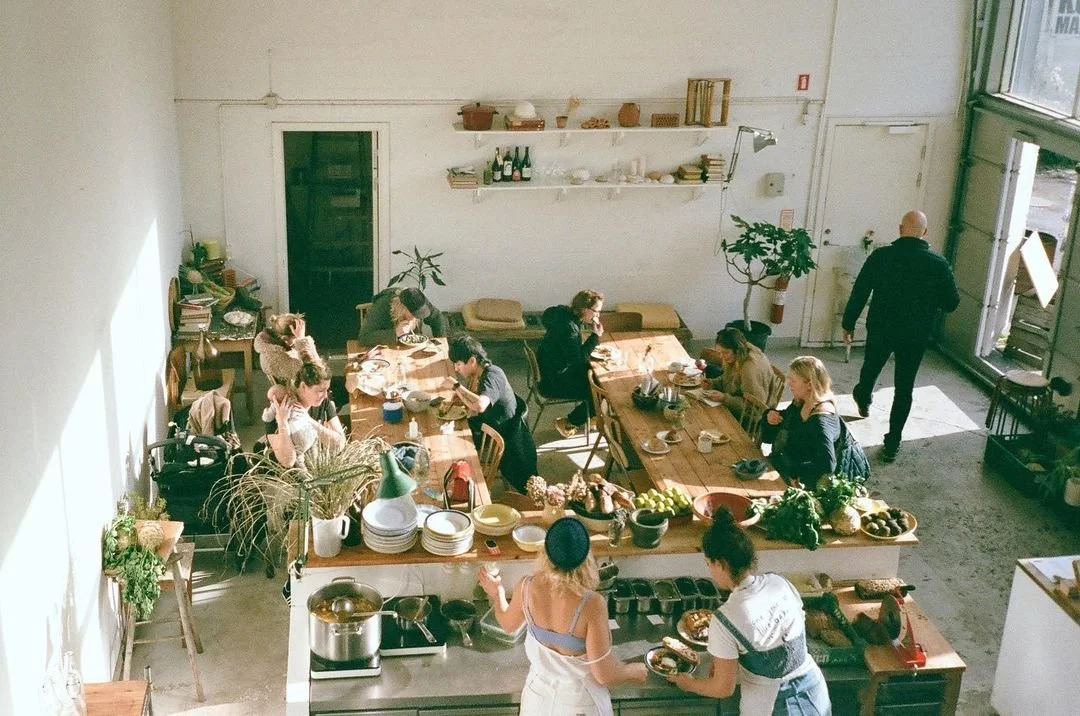
Copenhagen boasts a variety of distinct neighborhoods, each with its own unique charm. Nørrebro and Vesterbro are known for their vibrant atmospheres, while Christiania offers an alternative community experience. Exploring these areas provides a rich understanding of local culture and daily life.
Exploring Nørrebro and Vesterbro
Nørrebro is one of Copenhagen’s most diverse and lively neighborhoods, known for its mix of cultures and everyday local life. Trendy cafés sit side by side with traditional bakeries and small, independent shops, giving the area a very authentic feel. The streets are full of color, with murals, street art, and unique boutiques that make the neighborhood especially popular with photographers and creatives. A well known spot in the area is Assistens Cemetery, where several famous Danes are buried, and which today also serves as a peaceful green space where locals come to walk, relax, or meet friends.
Vesterbro has undergone a major transformation over the years. Once known primarily as a red light district, it has developed into one of Copenhagen’s most popular areas for nightlife, food, and culture. The Meatpacking District is at the heart of this change and is now packed with restaurants, bars, and venues that come alive in the evenings. Beyond this area, visitors can explore the surrounding streets to find local art spaces, design shops, and cafés with plenty of character. Together, Nørrebro and Vesterbro offer a good balance of history and modern city life, and are ideal for anyone wanting to experience a more local side of Copenhagen.
Christiania’s Unique Community

Christiania offers a very different side of Copenhagen and a unique approach to urban living. Founded in 1971, this autonomous neighborhood has developed its own way of life, shaped by a strong sense of community and shared values. It is known for its colorful buildings, vibrant street art, and relaxed atmosphere that stands in contrast to the rest of the city.
Visitors can walk through the area and explore its small paths, green spaces, and creative corners. Pusher Street is one of the most well known areas, where local vendors sell crafts, snacks, and handmade goods. Beyond this, there are workshops, studios, and small venues that reflect the creative spirit of the community and often host events, music, or cultural activities.
Christiania encourages a slower pace, where people take time to talk, create, and live differently. While visitors are expected to respect the community’s rules and way of life, spending time here offers a rare glimpse into an alternative social experiment that has been part of Copenhagen for decades.
Walking Tours and Itineraries
Walking tours in Copenhagen like our foodtour The Culinary experience tour are an excellent way to experience the city. Other guided walking tours often cover Nørrebro and Vesterbro, highlighting historical sites and hidden gems.
Creating a personalized itinerary can enhance the experience further. Visitors may want to include stops at picturesque parks, local eateries, and cultural landmarks. This approach allows for a flexible exploration of the city’s charm while ensuring a rich cultural experience. Please contact us for a private tour with the possibility to customize stops.
Food, Drinks, and Danish Hygge

Copenhagen in December has a special atmosphere, especially when it comes to food and drink. As the days grow shorter and colder, the city naturally slows down and leans into hygge. Warm lights glow from café windows, and meals become something to linger over rather than rush through. It is the perfect time to experience traditional Danish food and seasonal flavors that are closely tied to winter.
Traditional Restaurants and Cafes
Copenhagen has a strong tradition of classic restaurants and cafés that serve familiar Danish dishes passed down through generations. Places like Restaurant Schønnemann are well known for smørrebrød, the iconic open faced sandwiches topped with ingredients such as pickled herring, roast beef, eggs, and rich sauces. These meals are often enjoyed slowly, paired with a beer or aquavit, and feel especially fitting during the winter months.
Bakeries and Seasonal Treats
In December, bakeries become even more tempting than usual. The scent of spices, butter, and fresh bread fills the air, and many shops introduce seasonal treats that only appear at this time of year. One of the most recognizable is the julehjerte, a heart shaped gingerbread cookie decorated with icing and often bought as both a snack and a small gift.
Another winter favorite is æbleskiver, small round pancake balls that are light, fluffy, and usually served with powdered sugar and jam. Bakeries like Lagkagehuset are popular places to try these treats, along with a cup of coffee or hot chocolate. Many bakeries also offer warm drinks to take away, making them a welcome stop while exploring the city on cold days.
Hviids Vinstue and Winter Drinks
For those looking to experience classic Danish winter drinks, Hviids Vinstue is a well known and historic wine bar that feels especially inviting in December. The wooden interiors, low lighting, and close seating create a cozy setting where it is easy to settle in for a while.
Gløgg is the drink most people come for during the winter season. This warm, spiced wine is typically served with almonds and raisins and is a firm holiday tradition in Denmark. Whether you stop by for one glass or stay longer, the relaxed atmosphere at Hviids Vinstue makes it an ideal place to unwind after a day in the cold. Pairing the drink with small Danish snacks adds to the experience.
Hygge Experiences in Copenhagen
Frequently Asked Questions
Visitors often seek clarity on various aspects of their trip to Copenhagen in December. Key considerations include attractions, weather conditions, festive events, and budget-friendly options available during the winter months.
What are the top winter attractions in Copenhagen?
Copenhagen boasts several winter attractions. The Tivoli Gardens transforms into a magical winter wonderland, featuring festive lights and decorations. Additionally, the Nyhavn harbor offers picturesque views, while the Round Tower provides excellent panoramic sights of the city.
How is the weather in Copenhagen during December and how should I dress?
In December, Copenhagen’s weather typically ranges from 0°C to 5°C (32°F to 41°F). Visitors should prepare for cold temperatures and possible rain or snow. Layered clothing, a warm coat, and accessories like gloves and hats are recommended for comfort.
Are there any Christmas markets in Copenhagen I can visit?
Yes, Copenhagen is home to several charming Christmas markets. The market at Tivoli Gardens is particularly popular, offering crafts, seasonal treats, and festive entertainment. Other notable markets include those at Højbro Plads and Kongens Nytorv.
Can I experience Copenhagen’s highlights in a three-day trip?
A three-day visit to Copenhagen can cover many highlights. Visitors can explore major attractions, enjoy local cuisine, and soak up the festive atmosphere. Planning a well-structured itinerary will help maximize the experience.
What are some budget-friendly activities to do in Copenhagen in winter?
Copenhagen offers several budget-friendly activities in winter. Strolling around the city’s historic streets, visiting free attractions like The Little Mermaid statue, and enjoying window shopping in the city center are great options without breaking the bank.
What unique events take place in Copenhagen in December?
Copenhagen hosts various unique events in December. These include holiday concerts at cultural venues and local workshops showcasing Danish traditions. The festive season also features light displays and local celebrations that enhance the winter atmosphere.