
For anyone considering a trip to Copenhagen, timing can significantly enhance the experience. The best time to visit Copenhagen is during the spring months of March to May or the summer from June to August. These periods offer a vibrant atmosphere filled with cultural events, pleasant weather, and longer days ideal for exploring the city’s charm.
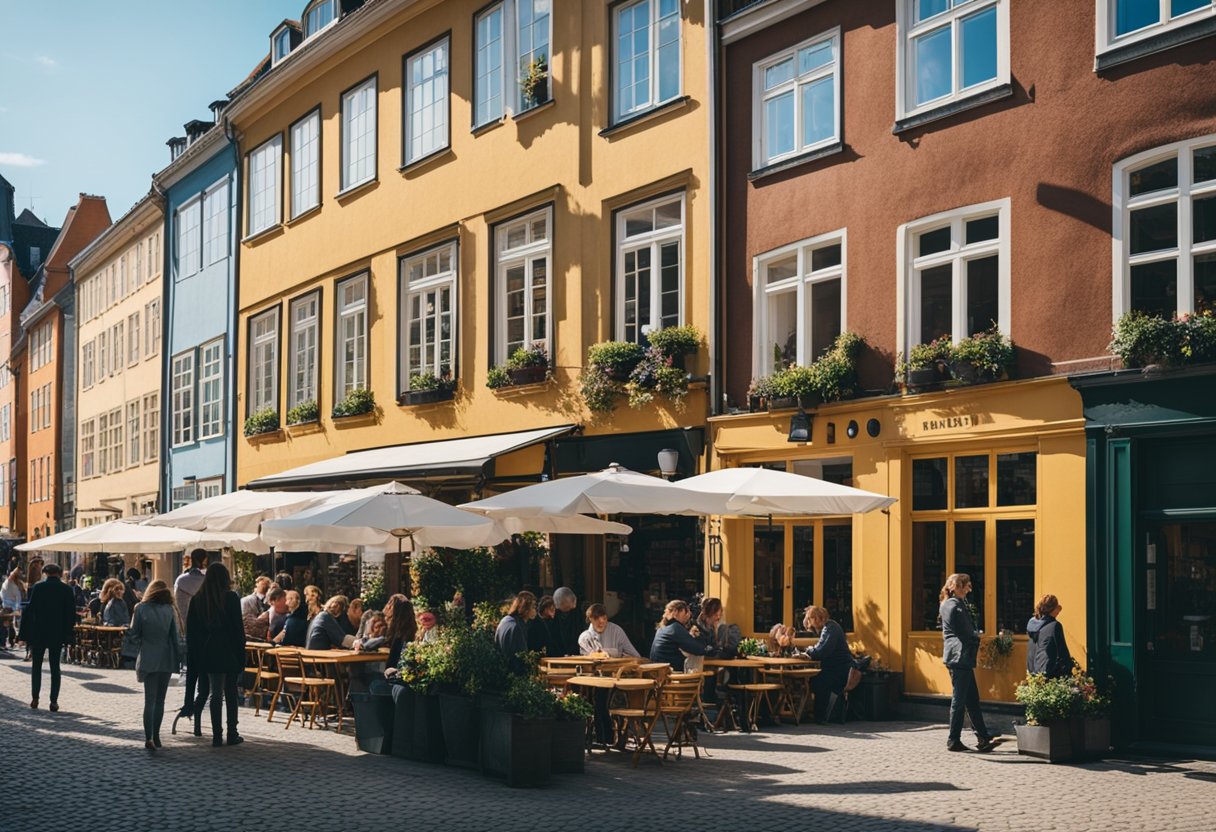
Traveling to Copenhagen in spring allows visitors to witness blooming gardens and lively street life, making it an appealing time for sightseeing. Summer, on the other hand, welcomes warm temperatures and various festivals, perfect for enjoying outdoor dining and the picturesque waterfront. Each season brings its own unique appeal, but spring and summer truly stand out for those eager to immerse themselves in the Danish capital’s offerings.
Understanding the dynamics of Copenhagen’s seasons can help travelers make informed decisions. Since the city attracts numerous tourists during these peak months, planning ahead is crucial for securing accommodations and maximizing enjoyment in this beautiful destination.
,
Understanding Copenhagen’s Seasons
Copenhagen’s seasons offer unique experiences and activities for visitors. From the blooming of flowers in spring to the vibrant events in summer, each season provides its own charm. Embracing these seasonal changes can enhance a traveler’s experience in this picturesque Scandinavian city.
Spring: Blossoming City and Mild Weather
Spring in Copenhagen brings mild temperatures and blossoms that enhance the city’s beauty. The average temperature ranges from 5°C to 15°C (41°F to 59°F), making it pleasant for outdoor exploration.
Nyhavn becomes a vibrant spot as cafes start to open their outdoor seating. The season also signals the beginning of street festivals, including the popular Midsummer Celebrations, where locals gather to celebrate with food, music, and bonfires.
The city’s parks, such as Kastellet, burst into color, inviting residents and tourists alike for leisurely walks. Spring is also ideal for cycling along the city’s bike-friendly paths, allowing for a unique view of the blossoming landscapes.
Summer: Festivals and Outdoor Attractions
Summer marks the high season in Copenhagen, with warm temperatures averaging between 20°C and 25°C (68°F and 77°F). The long, sunny days provide ample opportunity for sightseeing and outdoor activities.
During this season, Tivoli Gardens comes alive with lush greenery and thrilling rides. Visitors often enjoy live music, dance, and performances in various outdoor settings, especially during the Copenhagen Jazz Festival.
Copenhagen Pride also takes place in August, filling the city with colorful parades and celebrations. Visitors can wander through Strøget, Europe’s longest pedestrian street, lined with shops, cafes, and bakeries, turning exploration into a delightful culinary experience.
Autumn: Cultural Events and Cozy Atmosphere
As summer fades, autumn envelops Copenhagen in a cozy atmosphere, perfect for those looking to indulge in Danish hygge. Temperatures drop to between 8°C and 15°C (46°F to 59°F), creating a comfortable setting for indoor activities.
Cultural events abound, with museums offering special exhibitions and events throughout the season. Visitors can explore the city’s numerous museums, showcasing art, history, and design.
Autumn is also a fantastic time to enjoy the city’s cafes, where locals warm up with hot drinks and pastries. Outdoor festivals continue, allowing travelers to experience local traditions amidst the falling leaves, often while snuggled in warm blankets.
Winter: Holiday Charm and Fewer Crowds
Winter in Copenhagen, especially from late November to December, transforms the city into a winter wonderland. Temperatures can drop to around 0°C (32°F), but holiday lights illuminate the streets, creating a magical atmosphere.
Visitors will find fewer crowds during this season, making it easy to explore popular locations like Strøget and idle hours in cafes without the hustle. Winter also brings the famed Tivoli Gardens’ winter season, featuring festive decorations, holiday markets, and seasonal treats.
Enjoying the cozy ambiance in bakeries while sipping hot chocolate is a favorite winter pastime. The spirit of Christmas fills the air, and there are numerous opportunities for sightseeing, often complemented by festive events and local traditions.
,
Factors Influencing the Best Time to Travel
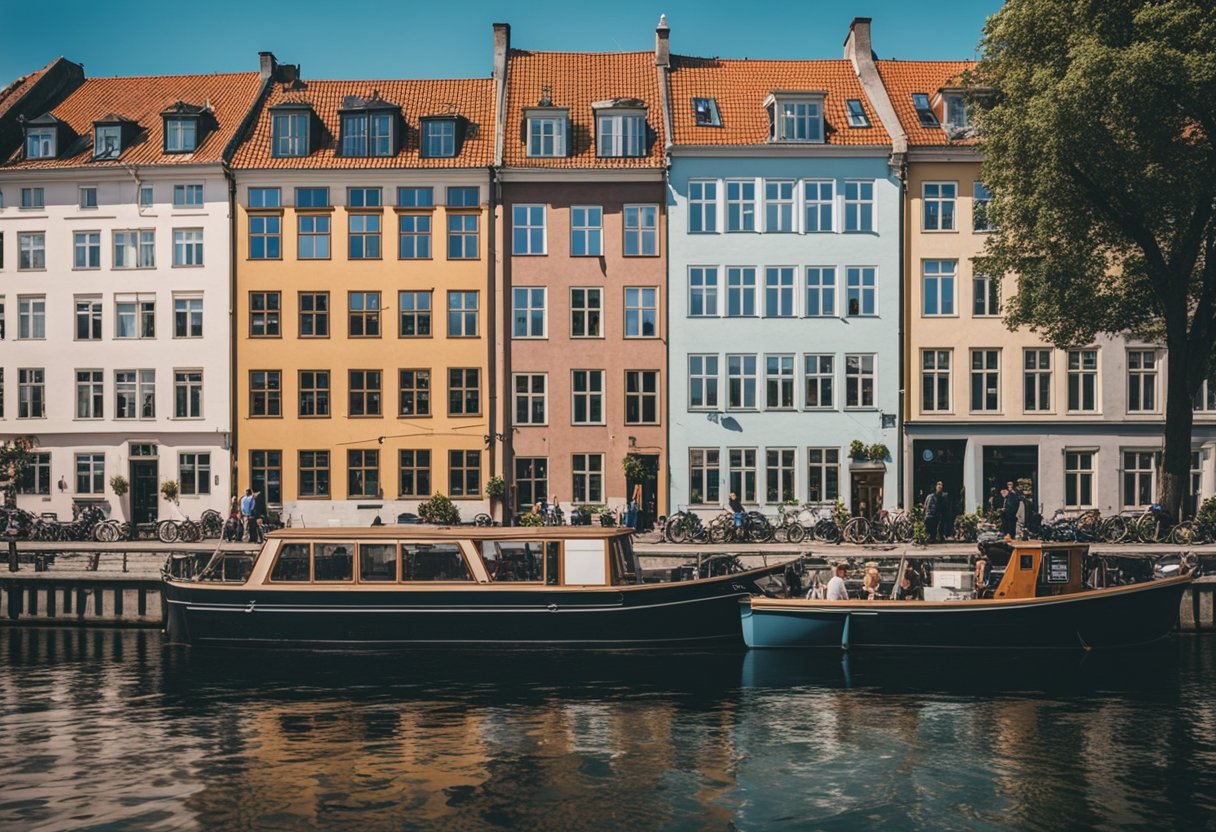
Several factors significantly impact the best time to travel to Copenhagen. Weather conditions, local events, and tourist traffic all play essential roles in determining the optimal visit period. Understanding these elements can enhance the travel experience.
Weather Patterns and Climate Considerations
Copenhagen experiences a temperate climate with distinct seasons. Summer (June to August) features warm weather, averaging temperatures between 59°F and 68°F. This is ideal for outdoor activities like biking, which the city is famous for.
Spring (March to May) showcases blooming nature and generally pleasant temperatures, making it another favorable time to visit.
Autumn (September to November) offers milder conditions but a higher chance of rain. Winter (December to February) can be cold and has limited daylight, often leading to fewer tourists.
Travelers should consider using public transportation or biking for easy navigation throughout different weather conditions.
Local Events and Major Festivals
Copenhagen hosts various local events and festivals that attract visitors and influence travel timing. The Copenhagen Jazz Festival, held in July, celebrates music with numerous performances across the city, appealing to jazz enthusiasts.
Midsummer celebrations in June involve traditional bonfires and festive gatherings, showcasing local culture.
Additionally, Copenhagen Pride, celebrated in August, promotes inclusivity and draws large crowds. Timing a visit to coincide with these events can enhance the travel experience, providing unique cultural insights.
Crowds, Tourism Trends, and Pricing
Copenhagen sees fluctuating tourist traffic throughout the year. Summer is peak season, with the highest visitor numbers, leading to crowded attractions and increased prices for accommodations and flights.
Travelers seeking better deals and fewer crowds may prefer spring or autumn. During these months, prices typically drop, and one can enjoy popular sites with less congestion.
Early bookings are advisable for major summer events, while those who prioritize a quieter experience may explore off-peak times. Understanding these trends can help travelers plan their trips more effectively.
,
Getting Around Copenhagen
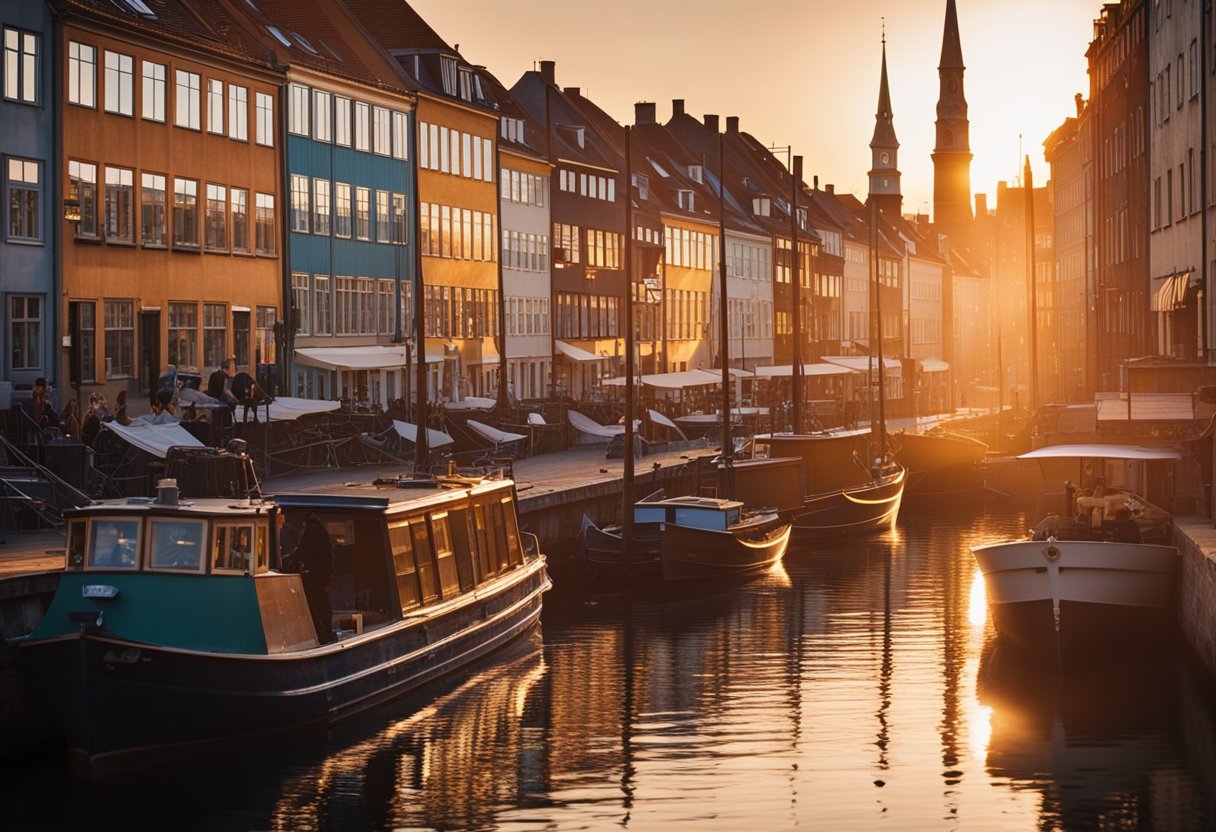
Copenhagen offers a variety of efficient options for navigating the city. Travelers can utilize the extensive public transportation system or enjoy the bike-friendly infrastructure that encourages cycling and walking.
Public Transportation and the Metro
Copenhagen’s public transportation system is known for its reliability and coverage. It includes buses, trains, and the metro, ensuring convenient access across the city. The metro operates 24/7, with frequent trains that connect major attractions and neighborhoods.
Using the DOT app allows users to plan their journeys, track schedules, and purchase tickets. The city’s ticketing system is straightforward, using zones to determine fares.
Visitors often benefit from the Copenhagen Card, which offers unlimited travel on public transport and access to many attractions. This makes it cost-effective for those looking to explore extensively.
Walking and Bike-Friendly Infrastructure
Copenhagen is renowned for its bike-friendly ethos. With over 400 kilometers of bike lanes, cyclists can easily navigate the city, making cycling a popular choice among locals and tourists alike. Renting a bicycle is simple, with numerous shops and bike-sharing systems available.
Walking is equally rewarding, especially in the historic areas. Streets such as Strøget are pedestrian-friendly, lined with shops and cafes.
Furthermore, many key attractions are within walking distance, allowing for leisurely exploration. By opting for walking or biking, travelers can truly absorb the city’s ambiance while enjoying a green mode of transport.
,
Must-See Attractions and Day Trips
Copenhagen offers a rich mix of iconic sights and a vibrant culinary scene, making it a well-rounded destination. Visitors can explore famous landmarks and enjoy delicious dining options. Additionally, day trips to nearby towns and attractions provide an expanded experience of Denmark and its culture.
Iconic Sights in Copenhagen
Copenhagen is home to several must-see attractions. Tivoli Gardens is a prominent amusement park known for its stunning gardens, thrilling rides, and vibrant atmosphere. Visitors often enjoy its evening illuminations. Nyhavn, a picturesque harbor lined with colorful buildings, offers a perfect spot for photos and dining.
Strøget, one of Europe’s longest pedestrian streets, is an excellent place for shopping and enjoying street performances. Art lovers should not miss the Louisiana Museum of Modern Art, located north of the city, which features cutting-edge exhibitions in a beautiful seaside setting. Other highlights include the Viking Ship Museum in Roskilde and the historic Kronborg Castle, famously known as Hamlet’s castle.
Culinary Scene: Cafes, Bakeries, and Restaurants
Copenhagen boasts a thriving food scene that reflects its cultural heritage. Cafes dot the city, offering everything from traditional Danish pastries to modern coffee brews. Local bakeries such as Lagkagehuset provide a taste of iconic Danish treats like kanelsnegle (cinnamon rolls) and wienerbrød (Danish pastry).
The dining experience in Copenhagen goes beyond pastries. Renowned restaurants like Noma and Geranium have garnered global acclaim for their innovative Nordic cuisine. Visitors also find a diverse array of options in various neighborhoods, from fine dining to casual eateries. Sampling local bites in vibrant markets such as Torvehallerne allows food enthusiasts to experience a taste of Danish culinary traditions.
Recommended Day Trips from Copenhagen
Several enticing day trips can be taken from Copenhagen, showcasing Denmark’s diverse attractions. A trip to Roskilde presents the chance to visit the Viking Ship Museum and the magnificent Roskilde Cathedral, a UNESCO World Heritage site. Travelers can also explore Kronborg Castle, where Shakespeare’s Hamlet was set.
For those looking to venture further, Aarhus and Odense offer cultural experiences and picturesque scenery. Aarhus, known for its lively art scene, hosts the Aarhus Art Museum. Odense is the birthplace of Hans Christian Andersen and features a charming old town alongside the Hans Christian Andersen Museum. Each destination enriches the overall experience of Denmark’s history and landscapes.
,
Frequently Asked Questions
Travelers often seek answers to specific questions when planning a trip to Copenhagen. Understanding peak seasons, weather conditions, budget tips, and cultural offerings can enhance their experience.
What is the peak tourist season in Copenhagen?
The peak tourist season in Copenhagen typically spans from June to August. During these months, the city sees a significant influx of visitors, leading to crowded attractions and higher accommodation prices.
Which months are considered the best weather-wise for visiting Copenhagen?
The months of May, June, and September are often regarded as the best for weather in Copenhagen. Visitors can enjoy milder temperatures, generally around 20°C, making it comfortable for outdoor activities.
How can one save on travel expenses when planning a trip to Copenhagen?
Travelers can save on expenses by visiting in the off-peak months of January and February. During these times, hotel prices are considerably lower, and attractions are less crowded.
What duration is recommended for a comprehensive visit to Copenhagen?
A duration of three to five days is recommended for a comprehensive visit to Copenhagen. This allows ample time to explore major attractions, enjoy local cuisine, and experience the city’s culture.
During which part of the year does Copenhagen offer cultural or seasonal attractions?
Copenhagen offers a variety of cultural and seasonal attractions throughout the year. Key events and festivals occur during summer and Christmas, providing unique experiences for visitors.
What are the pros and cons of visiting Copenhagen in the winter months?
Visiting Copenhagen in winter has its advantages, such as fewer tourists and lower costs. However, the weather can be cold and wet, which may deter some travelers.