
Copenhagen offers a rich selection of places to sample traditional Danish cuisine, known for its fresh, seasonal ingredients and straightforward flavors. For those seeking authentic Danish dishes like smørrebrød, flæskesteg, and marinated herrings, several local restaurants and cozy eateries provide genuine experiences without tourist-heavy prices.
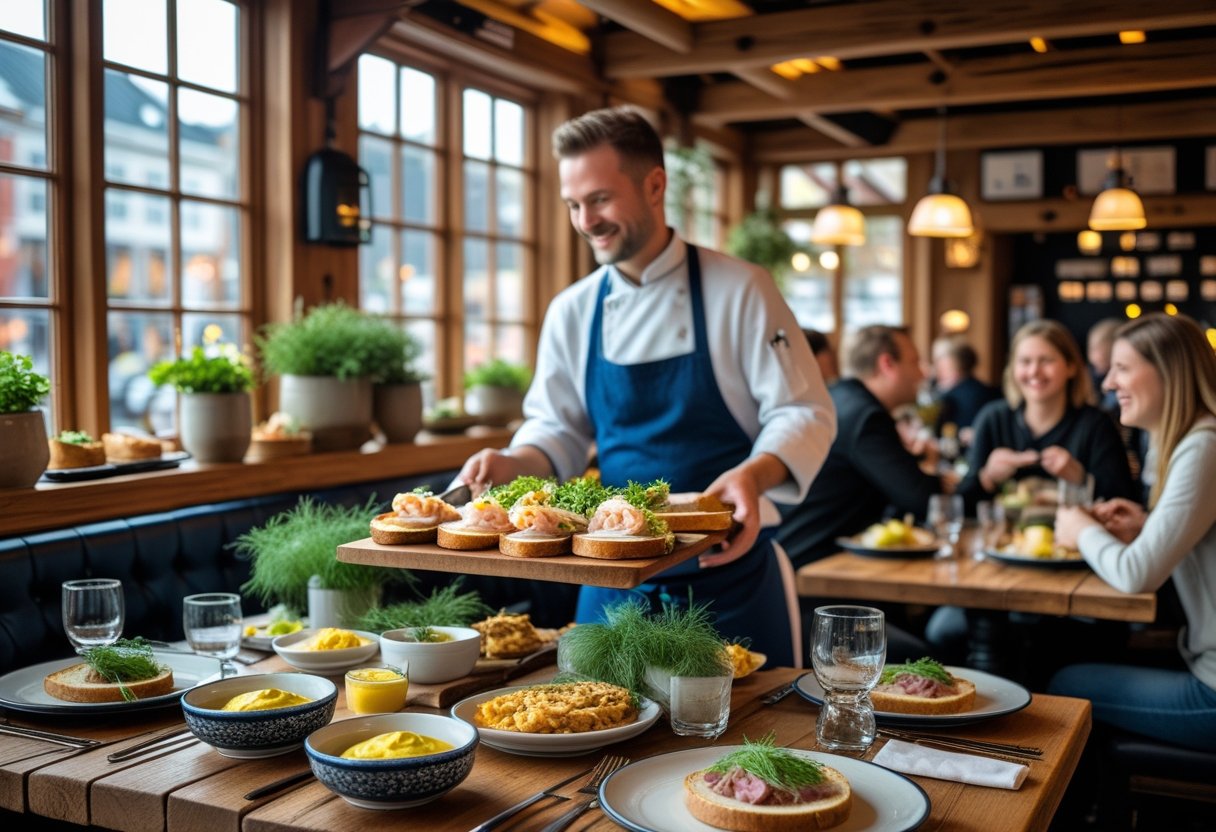
The best places to eat traditional Danish food in Copenhagen include well-established spots like Det Lille Apotek, known for iconic dishes, and Puk, which offers hearty, farm-style meals, alongside authentic smørrebrød at lunchtime throughout the city. Exploring neighborhoods like Vesterbro adds a cozy atmosphere paired with delicious specialties away from the busiest areas of Denmark’s capital.
Visitors to Copenhagen interested in Danish cuisine can find everything from classic flavors in timeless settings to more modern takes on traditional recipes, making the city a reliable destination for experiencing Denmark’s culinary heritage. For detailed recommendations on where to enjoy these foods, readers can explore local guides that highlight both renowned and lesser-known dining options.
,
Where to Find the Best Traditional Danish Food in Copenhagen
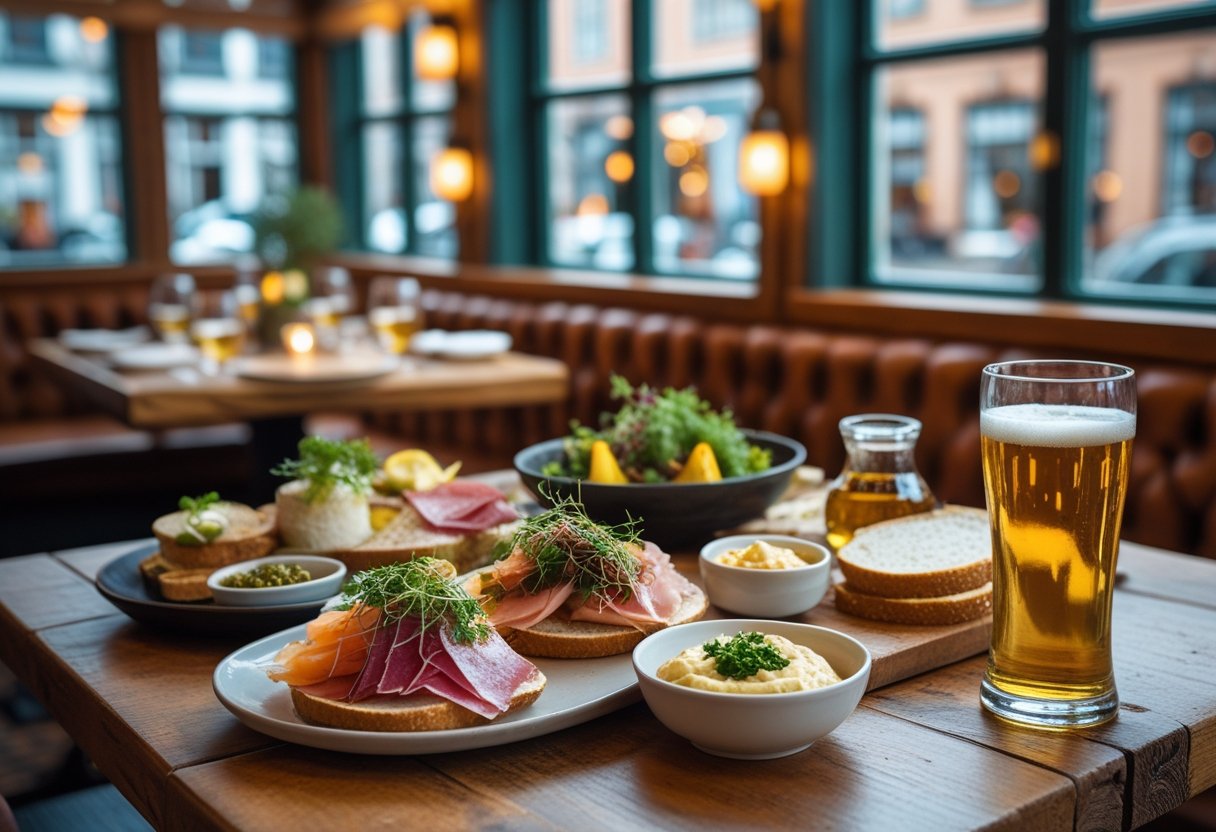
Copenhagen offers a mix of classic dining venues, lively food markets, inviting bakeries, and vibrant neighborhoods that showcase authentic Danish cuisine. Whether seeking iconic dishes like smørrebrød and flæskesteg or local ingredients served with simplicity, the city provides a range of focused options for traditional flavors.
Top Traditional Danish Restaurants
Traditional Danish restaurants in Copenhagen serve hearty staples such as marinated herrings, crackling pork, and rye bread-based smørrebrød. Restaurant Schønnemann is one of the oldest and most respected, known for its extensive smørrebrød menu and authentic atmosphere.
Kadeau blends traditional Danish ingredients with modern techniques, giving classics a refined twist while respecting the roots. Diners looking for a more casual but still genuine experience will find places like Det Lille Apotek offering farm-style dishes in cozy settings.
Most traditional restaurants are concentrated near the city center but exploring areas like Vesterbro can reveal excellent local dining spots that maintain strong Danish culinary tradition.
Authentic Danish Food Markets and Halls
Food markets in Copenhagen are essential for experiencing traditional Danish fare in a lively environment. Torvehallerne near Nørreport Station hosts many vendors selling classic open-faced sandwiches, local fish, cheeses, and craft schnapps.
Tivoli Food Hall, located close to Tivoli Gardens, combines Danish staples with global influences but retains multiple stands dedicated to authentic dishes and local produce.
Visitors can sample a wide variety of fresh, seasonal ingredients and prepared traditional foods, making these markets ideal for casual tasting and discovering new favorites.
Cozy Bakeries for Danish Pastries
Danish pastries remain a core part of local culinary culture, and bakeries in Copenhagen excel at delivering fresh, flaky, buttery treats. Juno The Bakery is known for quality, artisanal Danish pastries made with simple, high-grade ingredients.
Hart Bageri combines traditional baking methods with creativity, while Sankt Peders Bageri offers classic danishes and rye breads favored by locals.
These bakeries can be found in various neighborhoods, and stopping by one for breakfast or a midday snack offers a direct taste of Copenhagen’s baking craft.
Unique Neighborhoods for Local Dining
Certain areas of Copenhagen stand out for their authentic Danish dining scenes. Vesterbro is popular for cozy, less touristy eateries focusing on traditional menus in an approachable setting.
Christianshavn, with its canals and historic charm, features intimate restaurants serving Danish classics alongside a seasonal emphasis.
Refshaleøen, once an industrial site, now hosts vibrant food spaces where traditional flavors meet innovative presentation, appealing to those seeking both authenticity and novelty.
Exploring these neighborhoods offers insight into everyday Danish dining beyond the typical tourist spots.
,
Must-Try Classic Danish Dishes
Traditional Danish food in Copenhagen focuses on fresh, quality ingredients that highlight the country’s agricultural roots. The cuisine features a blend of simple preparations and rich flavors, often combining seafood, meats, hearty breads, and pickled vegetables. Meals reflect local culinary customs that are rooted in both daily life and festive occasions.
Smørrebrød: The Iconic Open-Faced Sandwich
Smørrebrød remains the cornerstone of Danish lunch culture. These open-faced sandwiches are served on dense rye bread, known as rugbrød, which provides a robust base. Popular toppings include pickled herring in various marinades, cold cuts, liver pâté, and smoked salmon. Each piece is carefully garnished with fresh herbs, remoulade sauce, or thinly sliced onions.
Traditionally eaten at midday, smørrebrød combines texture and flavor, balancing the richness of fish or meat with the acidity of pickles or fresh greens. It is common to find specialized restaurants in Copenhagen dedicated solely to crafting diverse smørrebrød varieties, making it a must-try Danish culinary experience.
Traditional Hot Dishes and Hearty Meals
Hearty hot dishes hold a strong place in Copenhagen’s Danish culinary traditions. Classics include flæskesteg, a roast pork with crispy crackling often served with red cabbage and boiled potatoes. Another staple is frikadeller, Danish meatballs made from pork or beef seasoned with onions and spices.
Danish cuisine also features tarteletter—small pastry shells filled with creamy chicken or mushroom sauce—and stegt flæsk, crispy fried pork belly served with parsley sauce and potatoes. These meals are nourishing and reflect rural Danish cooking styles, emphasizing comfort and simplicity typical of the Danish winter diet.
Savoury Danish Street Food
Copenhagen’s street food scene showcases Danish hot dogs or pølser, particularly røde pølser—bright red sausages renowned locally. Served in soft buns or rye bread, these hot dogs are garnished with fried onions, pickles, mustard, ketchup, and remoulade.
Street stalls are an accessible way to taste authentic Danish flavors quickly. Rød pølse is especially popular as a snack or quick lunch and represents Copenhagen’s tradition of combining convenience with well-seasoned, quality ingredients. The modest and bold tastes make Danish street food a distinct and memorable part of local food culture.
Seasonal and Innovative Danish Cuisine
While rooted in tradition, Copenhagen’s Danish food scene embraces seasonal ingredients and innovation. Restaurants use local produce like wild herbs, fresh seafood, and root vegetables to create dishes that honor classic flavors with a modern twist. This approach maintains the simplicity and freshness intrinsic to Danish cuisine but adds refined techniques.
Seasonal menus often incorporate lighter versions of traditional dishes or new combinations inspired by Nordic culinary principles. This dynamic blend respects the core of Danish culinary heritage while offering diners a chance to explore evolving tastes beyond the familiar staples.
For detailed dining options and authentic experiences, see best places to eat traditional Danish food in Copenhagen.
,
Traditional Danish Sweets, Pastries, and Drinks

Copenhagen is known for its rich selection of baked goods and beverages that define traditional Danish tastes. The city offers a variety of pastries ranging from flaky wienerbrød to cinnamon rolls, alongside beverages that include classic beers and modern craft brews.
Essential Danish Pastries and Where to Try Them
Danish pastries, locally known as wienerbrød, are a staple of Copenhagen’s culinary scene. These flaky, buttery treats often come filled with custard, jam, or almond paste. Must-try varieties include spandauer, with a custard center, and kanelsnegl, the sweet cinnamon roll.
Top bakeries across the city, such as those mentioned in the guide to Copenhagen’s essential bakeries and must-try pastries, offer some of the best examples. Many bakeries also feature seasonal variations and innovative takes on traditional recipes.
They can be enjoyed fresh in cafes or bought from artisanal shops scattered throughout the city, often accompanied by coffee or tea. These pastries showcase a balance between light, crispy layers and rich, flavorful fillings.
Classic Danish Beverages and Craft Beer
Traditional Danish drinks include a mix of classic beers from well-known brands such as Carlsberg and Tuborg. Both have deep roots in Danish brewing history and are widely available in Copenhagen’s restaurants and bars.
Alongside these classics, the city hosts an impressive craft beer scene highlighted by breweries like Mikkeller and Fermentoren. These craft brewers focus on bold flavors and innovative brewing techniques, offering seasonal and experimental beers.
Visitors can explore taprooms and beer bars where a mix of Danish craft beer styles—from hoppy IPAs to rich stouts—are served. Trying craft beer in Copenhagen offers insight into local tastes and the evolving Danish beer culture. For more details, see the overview on Danish craft beer.
,
Contemporary and New Nordic Dining in Copenhagen
Copenhagen’s dining scene showcases innovation through a focus on local, seasonal ingredients and creative techniques. Restaurants emphasize freshness by using wild herbs, root vegetables, and sustainable produce to redefine traditional Nordic flavors.
Influential New Nordic Restaurants
The New Nordic movement, pioneered by chefs like René Redzepi of Noma, has deeply shaped Copenhagen’s culinary identity. Noma’s focus on local, organic ingredients and seasonality set a global standard for fine dining. It champions foraging for wild herbs and sustainable sourcing of root vegetables, pushing boundaries in flavor while respecting nature.
Other establishments follow this philosophy, blending simplicity with sophistication. Many are part of the Cofoco group, which offers accessible yet refined versions of New Nordic cuisine nationwide. These restaurants prioritize fresh, regional produce throughout the year, reflecting an evolving food culture rooted in tradition but open to innovation.
Modern Interpretations of Danish Cuisine
Contemporary restaurants in Copenhagen reinterpret traditional dishes with a modern twist. Classic staples like smørrebrød are reimagined using unexpected ingredients such as yuzu cream or chanterelles. This approach retains the dish’s essence while introducing nuanced flavors and textures.
Chefs balance respect for Danish culinary heritage with experimentation. For example, seasonal root vegetables appear alongside locally foraged herbs to create vibrant plates. This style responds to modern tastes without losing connection to Denmark’s food history, offering diners a nuanced experience that is both familiar and novel.
Explore more about New Nordic dining through resources on New Nordic restaurants in Copenhagen.
,
Frequently Asked Questions
Many places in Copenhagen offer traditional Danish food, ranging from high-end restaurants to budget-friendly spots. Visitors can find classic dishes like smørrebrød, flæskesteg, and marinated herrings at various locations, each with its unique atmosphere and price point.
What are the top-rated traditional Danish restaurants in Copenhagen?
Restaurant Puk is highly regarded for its cozy atmosphere and traditional menu. Det Lille Apotek is another favorite, known for iconic dishes like flæskesteg. These restaurants showcase authentic Danish flavors with a strong local following.
Can you recommend some affordable Danish eateries in Copenhagen?
Puk offers farm-style dishes at reasonable prices. Dyrehaven, located in Vesterbro, provides a cozy setting with affordable Danish specialties. These spots give access to traditional cuisine without the high price tags of tourist-heavy areas.
Where can I find the best smørrebrød in Copenhagen without breaking the bank?
Restaurant Puk is often recommended for quality smørrebrød made with traditional recipes. Many street food markets and small cafés across the city also serve open-faced sandwiches at lower prices, allowing for an authentic taste experience without overspending.
What iconic Danish dishes should I try in Copenhagen, and where?
Flæskesteg (roast pork) is a must-try and is well served at Det Lille Apotek. Marinated herrings and æbleflæsk (pork belly with apples and onions) are also staples found in many traditional restaurants. Copenhagen’s food markets provide a variety of these dishes in more casual settings.
Which Copenhagen restaurants offer an authentic Danish dining experience?
Restaurants like Puk and Det Lille Apotek focus on traditional recipes and a local ambiance. Smaller venues away from the city center, such as Dyrehaven, offer genuine Danish hospitality and flavors. These places prioritize classic dishes prepared with care.
How to experience traditional Danish cuisine on a budget in Copenhagen?
Street food markets like Torvehallerne and WestMarket provide a range of Danish specialties at affordable prices. Eating outside the main tourist areas, like Vesterbro, and choosing family-run eateries helps visitors save money while enjoying authentic meals.