
Copenhagen, the vibrant capital of Denmark, offers a rich tapestry of history, culture, and modern charm. Travelers with just two days to explore this city will find that they can visit iconic landmarks and enjoy its unique atmosphere without feeling rushed. The best way to experience Copenhagen in two days is to focus on must-see attractions like Nyhavn, Tivoli Gardens, and the Little Mermaid statue, along with delightful culinary stops.
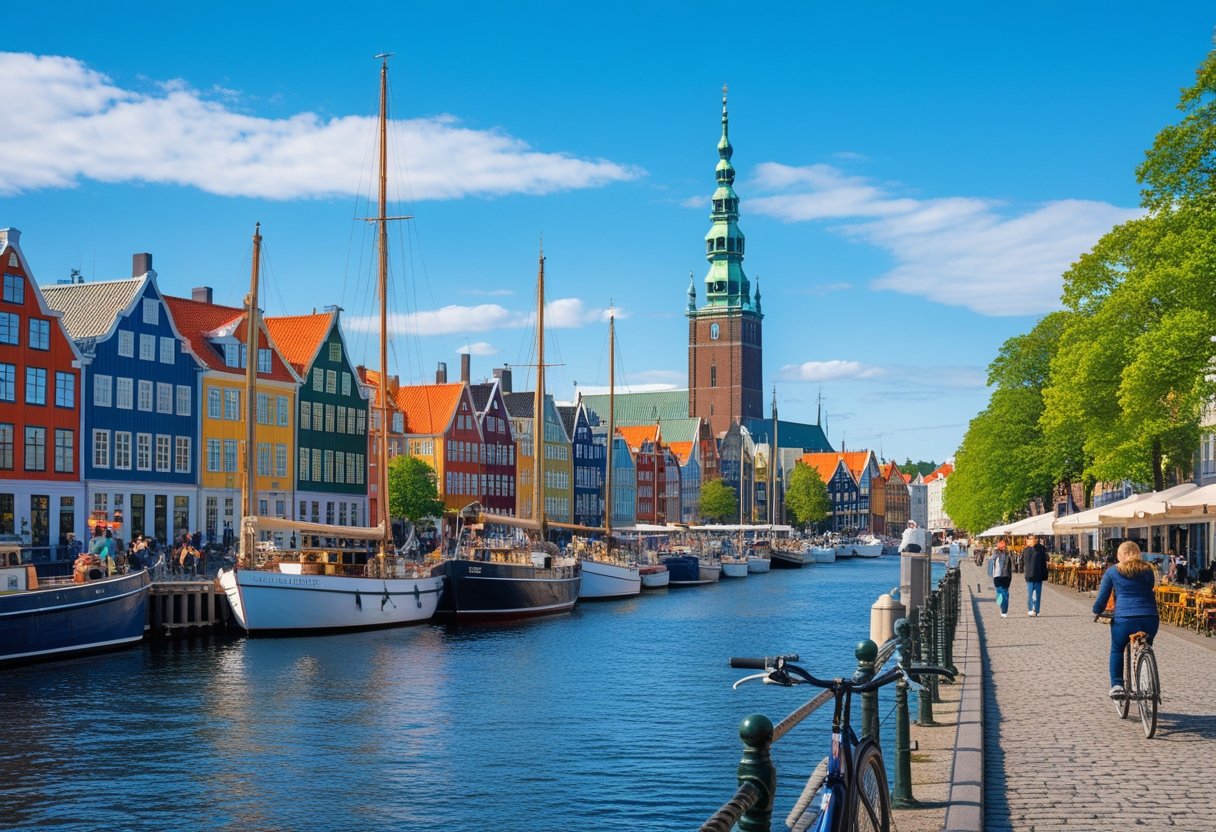
Strolling along Nyhavn’s picturesque waterfront, visitors can soak in the colorful facades and lively ambiance, making it a perfect starting point. A short walk leads to the enchanting Tivoli Gardens, where one can experience thrilling rides and beautiful gardens. The Little Mermaid statue, symbolic of the city, is not to be missed, as it represents Copenhagen’s maritime heritage.
For those looking to delve deeper into the local culture, exploring the many palaces and museums will reveal the city’s royal history and artistic treasures. With a well-planned itinerary, one can fully enjoy what Copenhagen has to offer within this short timeframe, making for an unforgettable experience.
,
Essential Sights and Attractions in Copenhagen
Copenhagen offers a wealth of attractions that showcase its rich history and vibrant culture. Visitors can explore picturesque waterfronts, historic castles, lush gardens, and top museums, making it a perfect destination for a two-day itinerary.
Exploring Nyhavn and the Waterfront
Nyhavn is an iconic waterfront district known for its colorful 17th-century townhouses and lively atmosphere. This area is a hub for dining and entertainment, boasting numerous cafes and restaurants along the canal. Visitors often take boat tours from Nyhavn, providing a unique perspective of the city’s architecture.
Strolling along the waterfront, one can find historic wooden ships docked, offering a glimpse into Copenhagen’s maritime history. The area is especially charming in the evening when the lights reflect off the water. Nearby, tourists can enjoy street performances or simply relax on a bench, soaking in the vibrant ambiance.
Historic Castles and Palaces
Copenhagen is home to several stunning castles and palaces, each with its own unique appeal. Amalienborg Palace, the residence of the Danish royal family, features beautiful architecture and an intriguing museum. Visitors can witness the changing of the guard ceremony, a highlight for many.
Rosenborg Castle, surrounded by the King’s Garden, houses the Danish crown jewels in a striking Renaissance building. The Round Tower, known for its spiral ramp, offers panoramic views of the city and is home to a fascinating observatory.
Christiansborg Palace, located on Slotsholmen Island, serves as the seat of the Danish parliament. Its grand halls and royal reception rooms allow visitors to appreciate the country’s political history.
Tivoli Gardens and Entertainment
Tivoli Gardens is one of the oldest amusement parks in the world and an essential stop for visitors. This enchanting garden features thrilling rides, beautifully landscaped paths, and vibrant flower displays. In the evening, Tivoli transforms with fairy lights, creating a magical atmosphere.
The park also hosts various entertainment options, including live music, theater performances, and dance shows. Dining options range from casual eateries to fine dining, ensuring something for every palate. Its central location makes it a convenient addition to any Copenhagen itinerary.
Top Museums and Cultural Highlights
Copenhagen is rich in cultural experiences, with several renowned museums to explore. The National Museum of Denmark provides an extensive look at Danish history, including Viking artifacts and exhibitions on cultural heritage.
Another must-visit is the Danish Design Museum, showcasing the innovative design culture that Denmark is famous for. The Little Mermaid statue, inspired by Hans Christian Andersen’s fairy tale, is also nearby, making it a popular photo opportunity.
Strøget Street, one of Europe’s longest pedestrian streets, is lined with shops, cafes, and street performers, offering a lively shopping experience. Travelers often find it a great place to relax and enjoy the local atmosphere while taking in the sights.
,
Copenhagen’s Neighborhoods and Local Culture
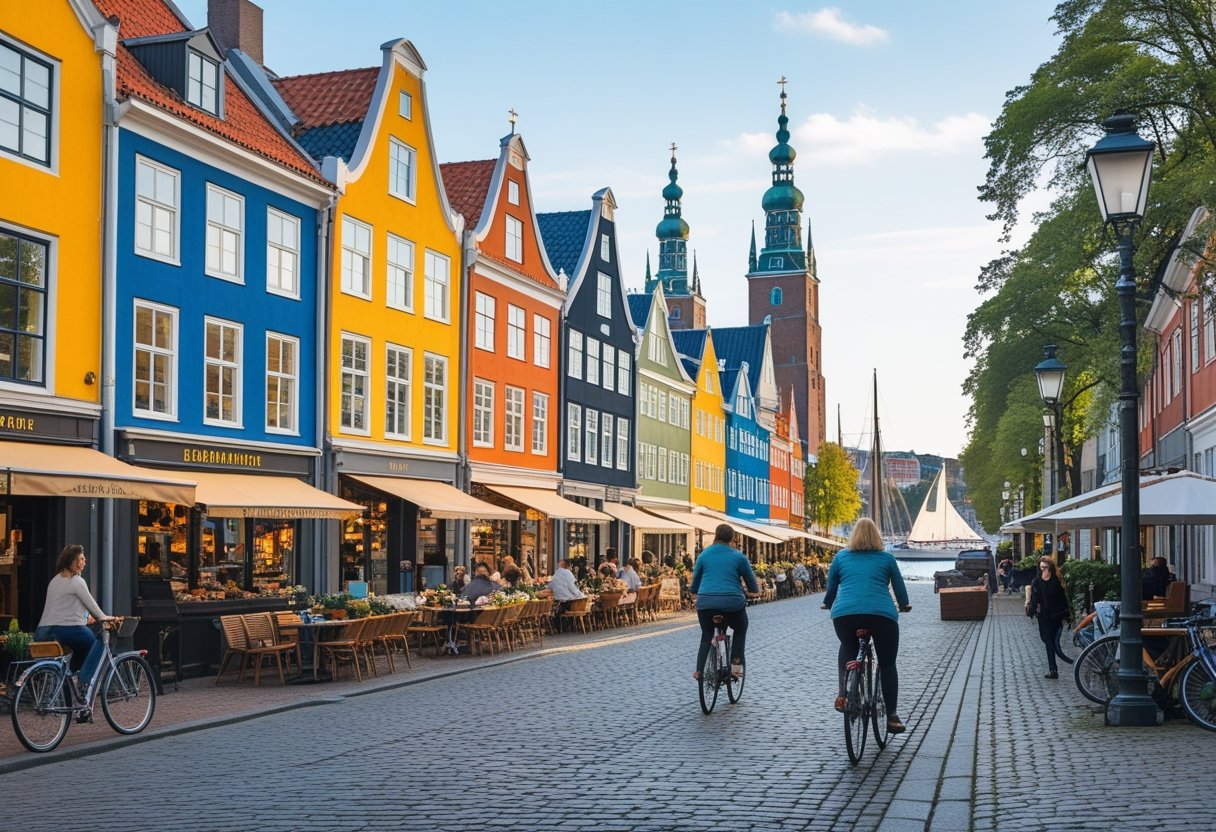
Copenhagen is a city rich in unique neighborhoods, each offering a glimpse into Danish culture and lifestyle. From vibrant streets to historic sites, exploring these areas reveals the heart of the city.
Vibrant Neighborhoods to Visit
Indre By serves as the historical center, home to significant landmarks like the Round Tower and Christiansborg Palace. Here, visitors can enjoy leisurely strolls along cobblestone streets filled with shops and cafes.
Vesterbro has transformed from a red-light district into a trendy area. Café culture thrives here, with establishments like Café Dyrehaven attracting both locals and tourists.
Nørrebro is known for its multicultural vibe. Walking down Nørrebrogade, one can find diverse eateries, from traditional Danish to Middle Eastern cuisine.
Østerbro offers a more residential feel, with parks such as Fælledparken providing relaxation spaces. Frederiksberg is renowned for its rose garden and charming streets, making it a delightful stop.
Discovering Local Danish Culture
Danish culture is characterized by its emphasis on coziness, known as “hygge.” This concept is evident in the abundant coffee shops and bakeries scattered throughout the neighborhoods.
Christiania, a self-proclaimed autonomous neighborhood, showcases a different facet of local culture. It’s famous for its creative expressions, art installations, and relaxed atmosphere.
Visitors can explore the works of prominent Danish figures like architect Arne Jacobsen, whose designs reflect a focus on functionality and simplicity.
Children’s literature enthusiasts will appreciate the influence of Hans Christian Andersen, whose fairy tales are deeply embedded in Danish society and visited in various forms across the city.
Street Life and Hidden Gems
Copenhagen’s street life thrives in vibrant areas like Nørrebro and Christianshavn. Nørrebro’s street markets offer an array of international cuisine, perfect for food lovers looking to sample unique dishes.
In Christianshavn, picturesque canals lined with colorful buildings provide a scenic backdrop for both locals and tourists.
Hidden gems such as the Superkilen Park in Nørrebro celebrate diversity through art, playgrounds, and gathering spaces, inviting interactions among different cultures.
Visitors should not overlook the quaint stores and galleries nestled throughout Frederiksberg, showcasing local artists and artisans.
Exploring these neighborhoods and their cultures lays the foundation for an enriching experience in Copenhagen.
,
Experiencing Copenhagen Like a Local
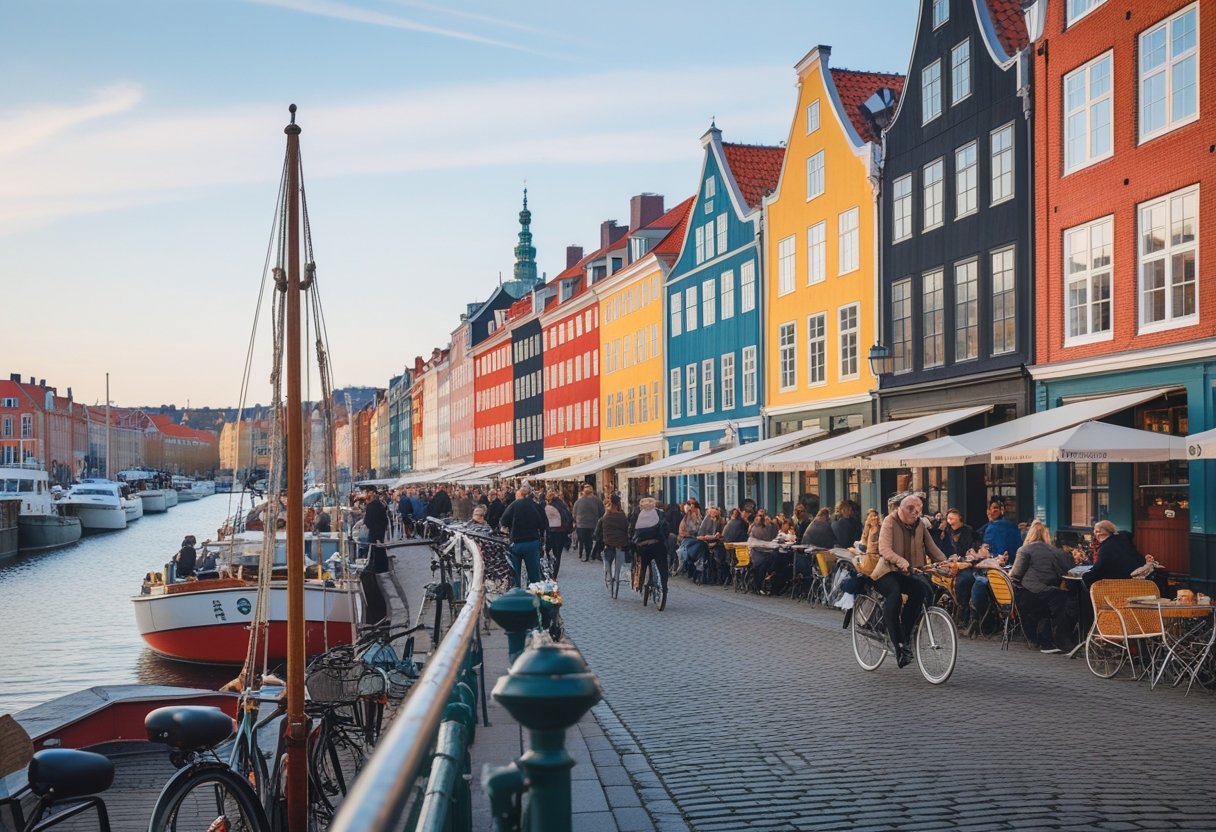
Copenhagen offers a vibrant local culture that can be enjoyed through efficient transportation, delightful culinary experiences, comfortable accommodations, and a variety of tour options. Embracing these elements enhances the exploration of the city.
Getting Around Efficiently
Copenhagen is known for its excellent bike infrastructure. Renting a bike is a popular choice for both locals and visitors. There are numerous bike rental shops throughout the city.
Biking Tips:
– Use bike lanes for safety.
– Follow traffic signals to avoid fines.
Public transportation is another efficient way to get around. The metro and bus systems are reliable and conveniently connect to major attractions. A Copenhagen Card provides unlimited access to public transport and discounts at many sites.
Train tickets are also available for longer distances to nearby towns. Overall, navigating Copenhagen is easy for anyone looking to experience the city like a local.
Enjoying Copenhagen’s Culinary Scene
Danish cuisine is diverse and well-regarded. Visitors should consider joining a Danish food tour for the best local flavors. This experience often includes tastings from various restaurants and street vendors.
Must-try Dishes:
– Smørrebrød (open-faced sandwiches)
– Danish pastries, especially cinnamon rolls
Copenhagen boasts an array of cafes and eateries. She explains the charm of trying local dishes at cozy places, such as the Nimb Hotel restaurant, known for its exquisite Nordic dining experience.
For a casual outing, exploring food markets like Torvehallerne can be delightful. This blend of culinary experiences showcases the city’s gastronomic culture.
Where to Stay in the City
Choosing the right accommodation can enhance the stay in Copenhagen. For a blend of luxury and local charm, the Villa Copenhagen offers a unique experience with modern amenities and a historical backdrop.
Another option is CityHub Copenhagen, a boutique hotel that provides a cozy stay with a local ambiance. Travelers looking for opulence can consider the elegant Nimb Hotel, located next to Tivoli Gardens.
When selecting a place, it’s essential to consider proximity to public transport and popular sites. Making bookings in advance can ensure better rates and availability.
Tour Options for Every Traveler
Copenhagen features various guided tours catering to different interests. Walking tours provide an intimate look at the city’s history. Many tours highlight areas like Nyhavn and the Little Mermaid statue.
For those seeking adventure, a bike tour offers an active way to explore the city and its surroundings. Participants can enjoy the scenery while venturing to sites less accessible by public transport.
Group tours may appeal to families, while solo travelers might enjoy niche tours focusing on specific themes. Customizable options are also available to meet individual preferences, ensuring every traveler finds their ideal experience.
,
Day Trips and Further Exploration
Copenhagen offers numerous opportunities for exploration beyond its bustling cityscape. Travelers can visit nearby castles, enjoy contemporary attractions, or venture further to engage with Denmark’s rich history and stunning landscapes.
Castles and Historical Sites Nearby
Frederiksborg Castle, located in Hillerød, is a remarkable Renaissance structure surrounded by beautiful gardens. It houses the Museum of National History, showcasing Denmark’s royal history through impressive art collections. Visitors can take a train from Copenhagen to Hillerød, making this a convenient day trip.
Kronborg Castle, famously known as Hamlet’s Castle, is a UNESCO World Heritage site situated in Helsingør. This impressive fortress offers guided tours that reveal its storied past and breathtaking seaside views. The castle is accessible via a short train ride, allowing history enthusiasts to immerse themselves in Danish culture.
Contemporary Excursions and Attractions
For a modern twist, travelers can explore the Designmuseum Danmark. This museum showcases Danish design and craftsmanship, presenting exhibitions on various design disciplines from furniture to textiles. The museum’s café and shop are also worth a visit.
A trip to Reffen, Copenhagen’s street food market, provides a taste of the city’s culinary scene. With food stalls and unique menus inspired by international flavors, it offers a vibrant atmosphere for both locals and tourists. This vibrant location sits along the waterfront, making it a scenic spot for enjoying local delicacies.
Exploring Beyond Copenhagen
Travelers interested in longer excursions can consider a scenic journey to Roskilde. This town is known for its historical significance and is home to the UNESCO-listed Roskilde Cathedral, where Danish kings are buried. Additionally, the Viking Ship Museum displays well-preserved Viking ships that highlight the maritime history of Denmark.
For those looking for a broader experience, a trip to Stockholm can be arranged, which offers a contrast in culture and sights across the Baltic Sea. Ferries run regularly, making it accessible for a weekend getaway or an extended trip to explore Sweden’s capital city.
These day trips and explorations provide a well-rounded experience, complementing Copenhagen’s rich urban offerings.
,
Frequently Asked Questions
Visitors often seek specific insights into making the most of a two-day trip to Copenhagen. Addressing common queries can enhance the overall experience by providing tailored recommendations.
What are the top attractions to visit in Copenhagen during a 2-day trip?
Some of the must-see attractions include the iconic Nyhavn harbor, the historic Rosenborg Castle, and the enchanting Tivoli Gardens. Christiansborg Palace offers a glimpse into Denmark’s royal history, while a canal tour provides a unique perspective of the city.
How can I explore Copenhagen in winter over a two-day itinerary?
In winter, visitors can enjoy ice skating at the rink in Frederiksberg, as well as cozy cafes and restaurants. Tivoli Gardens transforms into a winter wonderland, adorned with lights and decorations, adding to the festive atmosphere.
What are the best budget-friendly activities in Copenhagen for a 2-day stay?
Copenhagen offers several budget-friendly options, like wandering through the picturesque Freetown Christiania, exploring the Little Mermaid statue, and visiting the National Museum of Denmark, which often has free admission.
Can you suggest family-friendly activities for a 2-day visit to Copenhagen?
Families can explore the Copenhagen Zoo, which features a variety of animals and a beautiful park. The Experimentarium also provides interactive science exhibits that engage children and adults alike.
What should be included in a 3-day Copenhagen itinerary?
A 3-day itinerary might incorporate additional attractions such as the Designmuseum Danmark, a visit to the Round Tower for panoramic views, and a day trip to nearby attractions like Kronborg Castle in Helsingør.
Is a 48-hour visit sufficient to experience the highlights of Copenhagen?
A 48-hour visit allows for a focused exploration of key highlights, such as palaces, parks, and famous neighborhoods. While it may be packed, travelers can still capture the essence of Copenhagen within this timeframe.