
Copenhagen offers a diverse food scene that blends traditional Danish flavors with modern culinary innovation. Visitors wondering what to eat in Copenhagen should focus on iconic dishes like smørrebrød—open-faced sandwiches topped with fresh, flavorful ingredients—and Danish pastries, which provide a taste of the country’s baking expertise. These foods, along with hearty classics like frikadeller (meatballs) and the fresh seafood dishes common in Denmark, represent the essential eats in Copenhagen.
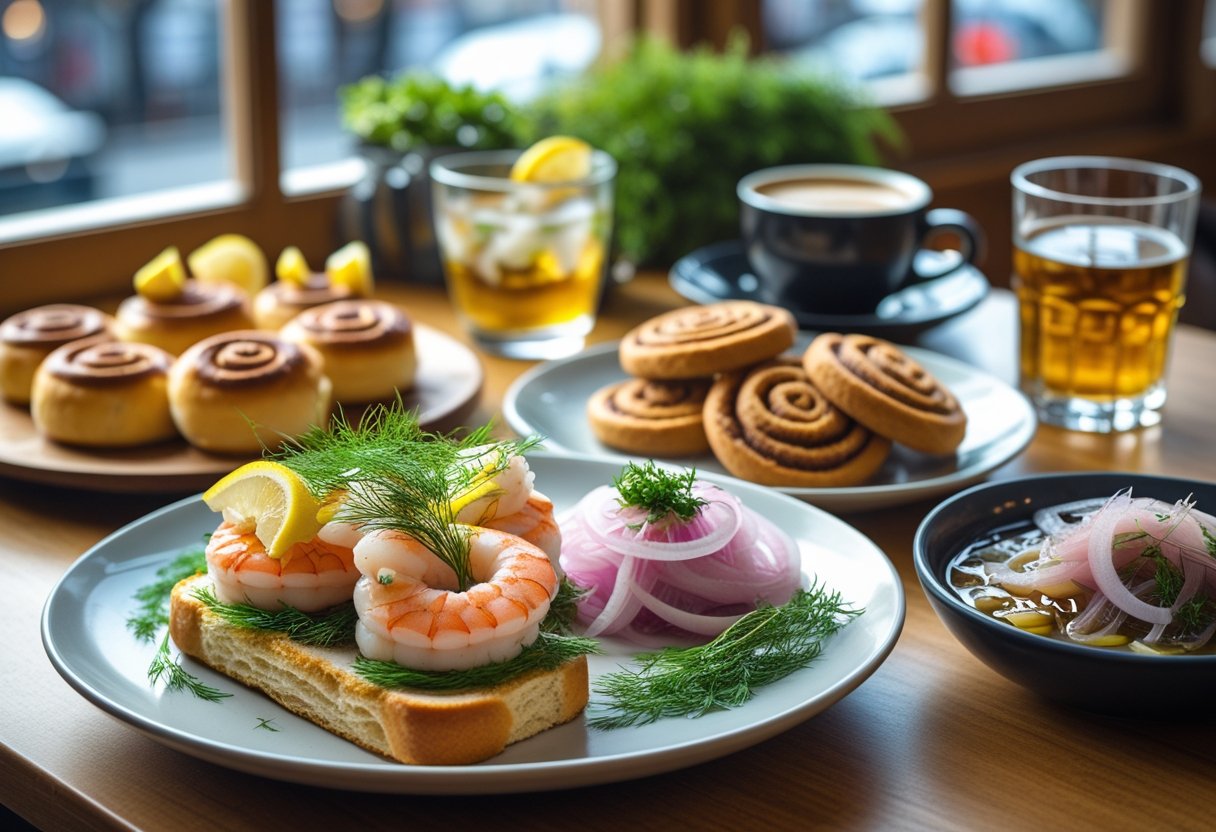
The city’s culinary reputation extends beyond traditional fare. Copenhagen is known for its New Nordic cuisine, emphasizing seasonal, local, and sustainable ingredients prepared with a refined touch. This mix gives visitors many options to explore both classic and contemporary dishes across Copenhagen’s many acclaimed restaurants and food markets.
For anyone traveling to Denmark’s capital, understanding what to eat in Copenhagen enhances the experience. From casual street food to gourmet meals, these dishes showcase the city’s rich culinary heritage and evolving food culture. More detailed recommendations on iconic foods to try and where to find them can guide visitors toward the best tastes the city has to offer. For more details, see Copenhagen Food: 25 Traditional Foods You Must Try in Copenhagen.
,
Essential Traditional Danish Foods to Try
Copenhagen offers a variety of dishes that showcase the heart of Danish cuisine. Key elements include open-faced sandwiches rich with toppings, distinctive seafood preparations, and hearty pork dishes often accompanied by flavorful sauces. Danish rye bread and cheese also play an important role in the country’s food culture.
Smørrebrød: The Open-Faced Sandwich
Smørrebrød is a quintessential Danish dish consisting of dense rye bread topped with a variety of ingredients. Common toppings include pickled herring, roast beef, liver pâté, eggs, and shrimp, often garnished with fresh herbs, onions, or remoulade sauce. The bread itself is typically buttered before adding the toppings.
Meals involving smørrebrød range from simple to elaborate and are a staple for lunch in Copenhagen. The open-faced sandwich reflects both tradition and creativity in Danish food, celebrated for its balance of flavors and presentation.
Pickled Herring and Fiskefrikadeller
Pickled herring is a staple in Danish cuisine, served in various marinades like mustard, dill, or curry. It is enjoyed both as a snack and part of larger meals, prized for its sharp and tangy flavor.
Fiskefrikadeller are Danish fish cakes made from white fish mixed with onion, parsley, lemon, salt, and pepper. They are traditionally served with cucumber salad and Danish remoulade, offering a mild but flavorful option. Both dishes highlight Denmark’s connection to seafood and are popular choices throughout Copenhagen.
Frikadeller and Stegt Flæsk med Persillesovs
Frikadeller are Danish meatballs usually made from a mixture of pork and beef, seasoned simply and pan-fried. They are often served with potatoes and gravy, providing a comforting, everyday meal.
Stegt flæsk med persillesovs is considered Denmark’s national dish. It features thick slices of fried pork belly served with boiled potatoes and a rich parsley sauce. This dish is celebrated for its crispy pork paired with the fresh, herbal flavor of the sauce, reflecting traditional Danish home cooking.
Classic Danish Rye Bread and Cheese
Danish rye bread, known for its dense texture and slightly sour taste, forms the base of many traditional Danish foods. It is made primarily from rye flour and often contains seeds for added flavor.
Paired with the bread is Danish cheese, which ranges from mild and creamy to aged and sharp. Cheese is commonly enjoyed on its own or as part of smørrebrød. The combination of rye bread and cheese represents a simple, essential aspect of Danish dining and is widely available across Copenhagen.
,
Modern Copenhagen Food Experiences
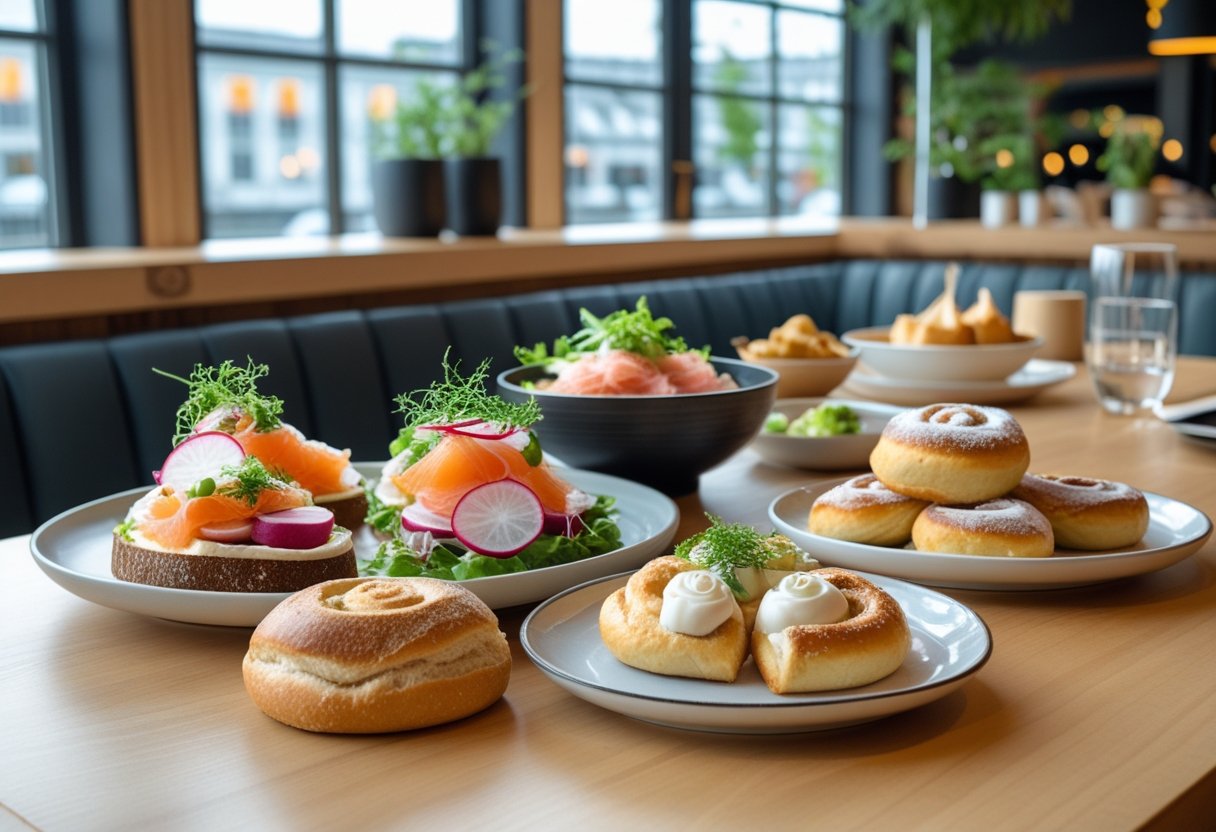
Copenhagen’s culinary scene blends cutting-edge innovation with deep respect for tradition. Diners can explore refined gastronomy and everyday delights alike, experiencing everything from acclaimed fine dining to beloved street snacks. The city offers world-renowned chefs alongside artisanal bakeries and vibrant food stalls.
New Nordic Cuisine and Noma
New Nordic cuisine emphasizes seasonal, local ingredients prepared with minimalist creativity. Noma, led by René Redzepi, is Copenhagen’s most famous restaurant, widely credited for pioneering this style. Noma focuses on wild herbs, foraged plants, and unique Nordic flavors that challenge conventional tastes.
This movement redefines Danish food beyond smørrebrød, showcasing raw textures and natural freshness. Diners at Noma or similar restaurants encounter menus that change frequently, reflecting the availability of local produce and innovative techniques rooted in sustainability.
Artisan Bakeries and Sweets
Copenhagen’s artisan bakeries, such as Juno the Bakery, produce some of the best pastries in the city. Danish favorites like kanelsnegl, a cinnamon roll with a flaky exterior and soft, sweet interior, are staples. Bakeries prioritize quality ingredients, traditional methods, and new twists on classic recipes.
Visitors can find a delicate balance of crispness and creaminess in these pastries. Juno the Bakery’s offerings highlight the craft behind everyday Danish sweets, perfect for pairing with coffee from local cafés.
Street Food: Danish Hot Dogs and More
Danish street food culture is unique and accessible, with pølsevogn (hot dog stands) ubiquitous around the city. The Danish hot dog often features a soft bun, a spiced sausage, pickled cucumbers, crispy onions, and mustard, delivering simple yet satisfying flavors.
Gasoline Grill is a notable spot serving gourmet burgers alongside classic hot dogs, blending street food with quality ingredients. Food markets and small stands offer an array of snacks, making street food a central part of experiencing local tastes near landmarks like the Round Tower.
,
Where to Eat and Explore Culinary Culture
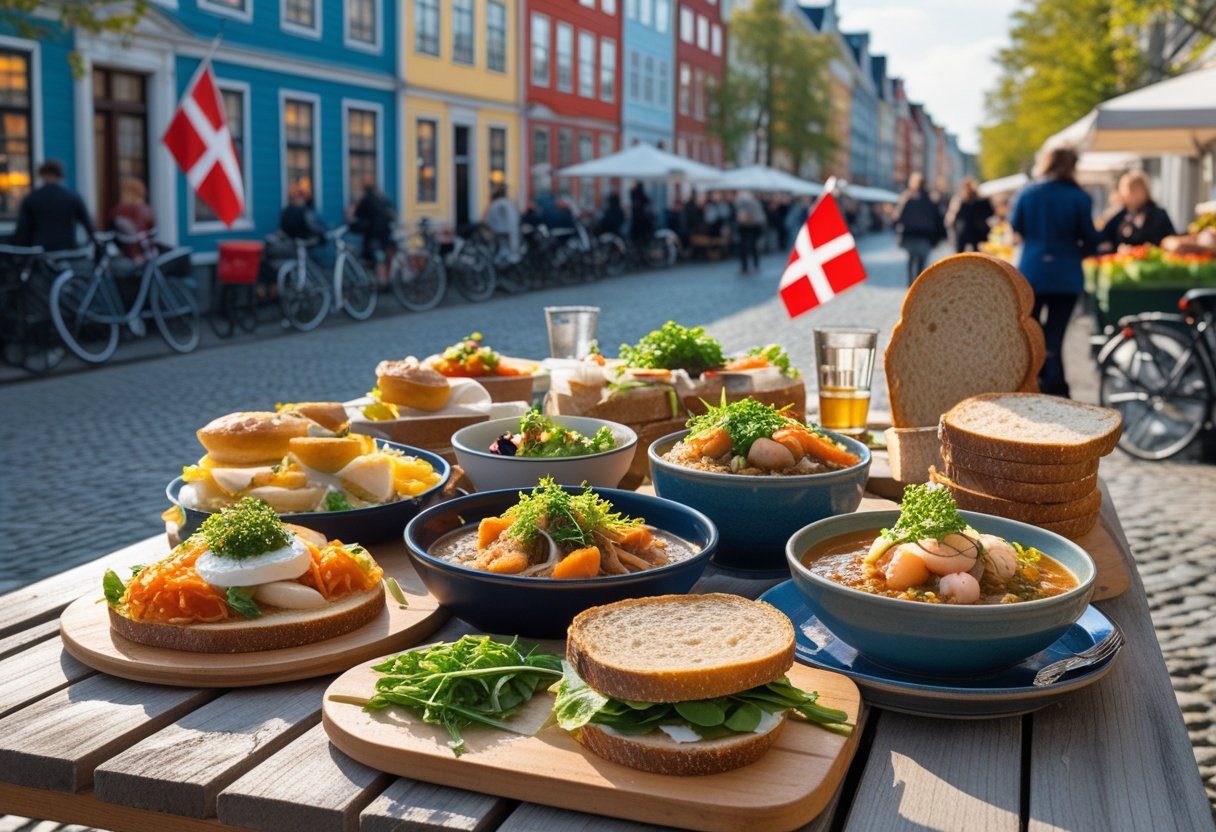
Copenhagen offers a variety of dining experiences that reflect its rich culinary heritage and progressive food scene. From bustling markets to historic eateries, visitors can find authentic Danish dishes alongside modern innovations in accessible locations throughout the city.
Torvehallerne Food Market
Torvehallerne is a vibrant market near Nørreport Station, featuring over 60 stalls selling fresh produce, gourmet foods, and ready-to-eat meals. It attracts locals and tourists seeking everything from traditional Danish smørrebrød to international flavors.
Key spots like Hallernes Smørrebrød serve classic open-faced sandwiches made with quality ingredients, showcasing regional specialties. The market allows visitors to sample a range of Danish delicacies under one roof. It is particularly popular for lunch or casual bites.
Torvehallerne also hosts coffee vendors, organic bakeries, and seafood stands, making it a prime destination for those wanting a varied, authentic food experience in Copenhagen’s culinary landscape.
Tivoli Food Hall
Located inside the famous Tivoli Gardens, Tivoli Food Hall combines historic charm with contemporary Danish cuisine. It houses several restaurants and stalls offering both traditional and New Nordic dishes.
This venue is known for emphasizing local, seasonal ingredients presented in modern styles. Diners can enjoy dishes inspired by classical Danish fare, such as pork roast and marinated herring, alongside street food options.
Tivoli Food Hall is ideal for those looking to eat in a lively atmosphere enriched by the surrounding amusement gardens. It blends casual and gourmet options, catering to different tastes effectively.
Iconic Restaurants and Local Favorites
Copenhagen’s restaurant scene includes long-standing institutions as well as cutting-edge culinary spots. For a taste of tradition, Frk. Barners Kælder offers classic Danish dishes with a cozy ambiance, respected for its hearty meals and atmosphere.
Other notable venues focus on innovative New Nordic cuisine, earning international recognition. Many restaurants emphasize sustainability and seasonality, reflecting the city’s leadership in responsible dining.
Visitors seeking where to eat in Copenhagen can find these establishments throughout the city center, offering a broad spectrum from casual to fine dining experiences that define the Copenhagen food guide.
,
Local Drinks and Food Tours
Copenhagen offers a diverse range of beverages that complement its rich food culture, from iconic beers to traditional spirits. Exploring these drinks alongside well-curated food tours provides insight into the city’s culinary heritage and modern innovations.
Danish Beers: Carlsberg, Tuborg, Mikkeller, and To Øl
Danish beer culture is deeply rooted in Copenhagen’s history. The Carlsberg brewery, founded in 1847, is internationally renowned and a staple in Denmark. Its classic lagers remain widely consumed both locally and abroad.
Tuborg, another historic brand, offers lighter, refreshing beers ideal for pairing with traditional Danish fare. These two represent mainstream Danish brewing traditions.
Craft beer enthusiasts should explore Mikkeller and To Øl, pioneering Copenhagen’s craft beer scene. Both breweries focus on innovative flavors and brewing techniques, producing a range of IPAs, stouts, and sours that contrast with the classic lagers.
Tasting beers from these four breweries offers a spectrum of traditions and trends within Danish brewing, often featured on food tours throughout the city.
Aquavit and Other Traditional Spirits
Aquavit, known locally as Akvavit, is a distinctive Scandinavian spirit flavored primarily with caraway or dill. It plays an important cultural role during Danish celebrations and meals.
Typically served chilled in small glasses, aquavit complements rich dishes like pickled herring and pork. It is often consumed alongside smørrebrød, aiding digestion and enhancing flavors.
Beyond aquavit, Copenhagen also offers a variety of locally distilled spirits. These include herbal liqueurs and fruit brandies that reflect Denmark’s regional ingredients and distilling heritage.
Sampling these spirits on a food tour introduces visitors to authentic Danish drinking customs and adds depth to the culinary experience.
Culinary Experience and Food Tours
Food tours in Copenhagen emphasize traditional and modern Danish cuisine with curated tastings of local specialties paired with drinks. Tours such as the Culinary Experience Tour or the Culinary Bike Tour guide participants through neighborhoods and iconic eateries.
These excursions often include stops at historic food markets, breweries, and artisanal shops, where guests can sample open-faced sandwiches (smørrebrød), grilled sausages, and craft beers from breweries like Mikkeller or To Øl.
The tours provide historical context about each dish and drink, enhancing appreciation of Denmark’s food culture. Booking a food tour offers a structured yet immersive way to taste the city’s culinary highlights efficiently. Reliable options and reviews can be found among the food tours in Copenhagen.
,
Frequently Asked Questions
Copenhagen offers a variety of traditional dishes alongside vibrant street food and fine dining. Local markets and hidden spots provide authentic experiences, while some restaurants balance quality with affordability.
What are the top traditional Danish dishes to try in Copenhagen?
Smørrebrød, open-faced rye bread sandwiches with various toppings, are essential. Other classics include frikadeller (meatballs), flæskesteg (roast pork), and Danish pastries like wienerbrød.
Where can you find the best street food in Copenhagen?
Top street food locations include Torvehallerne and Reffen. These markets offer fresh, casual, and sustainable options with diverse flavors from Danish to global cuisine.
Which restaurants offer the best local dining experiences in Copenhagen?
Places like Aamanns and Schønnemann specialize in traditional Danish fare, especially smørrebrød. Award-winning modern Nordic cuisine is also available in many innovative restaurants throughout the city.
What hidden culinary gems should visitors explore in Copenhagen?
Small, family-run eateries and neighborhood cafes provide unique local dishes that are less touristy. Exploring boroughs outside the city center reveals authentic, traditional, and creative food.
What are the must-visit food markets in Copenhagen for authentic fare?
Torvehallerne is the premier market, featuring fresh produce, specialty foods, and ready-to-eat dishes. Other markets include Copenhagen Street Food at Reffen and local farmer markets.
Where can one enjoy high-quality dining without breaking the bank in Copenhagen?
Street food markets and casual dining spots in neighborhoods like Nørrebro and Vesterbro offer excellent food at reasonable prices. Some lunch specials in traditional restaurants also provide good value.
For more details on dining and food spots in Copenhagen, see this guide to Copenhagen food favorites.