
Copenhagen is a vibrant city that blends rich history with modern design, offering countless experiences for travelers. The top 10 things to do in Copenhagen will captivate visitors with a range of attractions, from iconic landmarks to hidden gems. Those seeking adventure will find a city filled with unique activities and breathtaking sights.
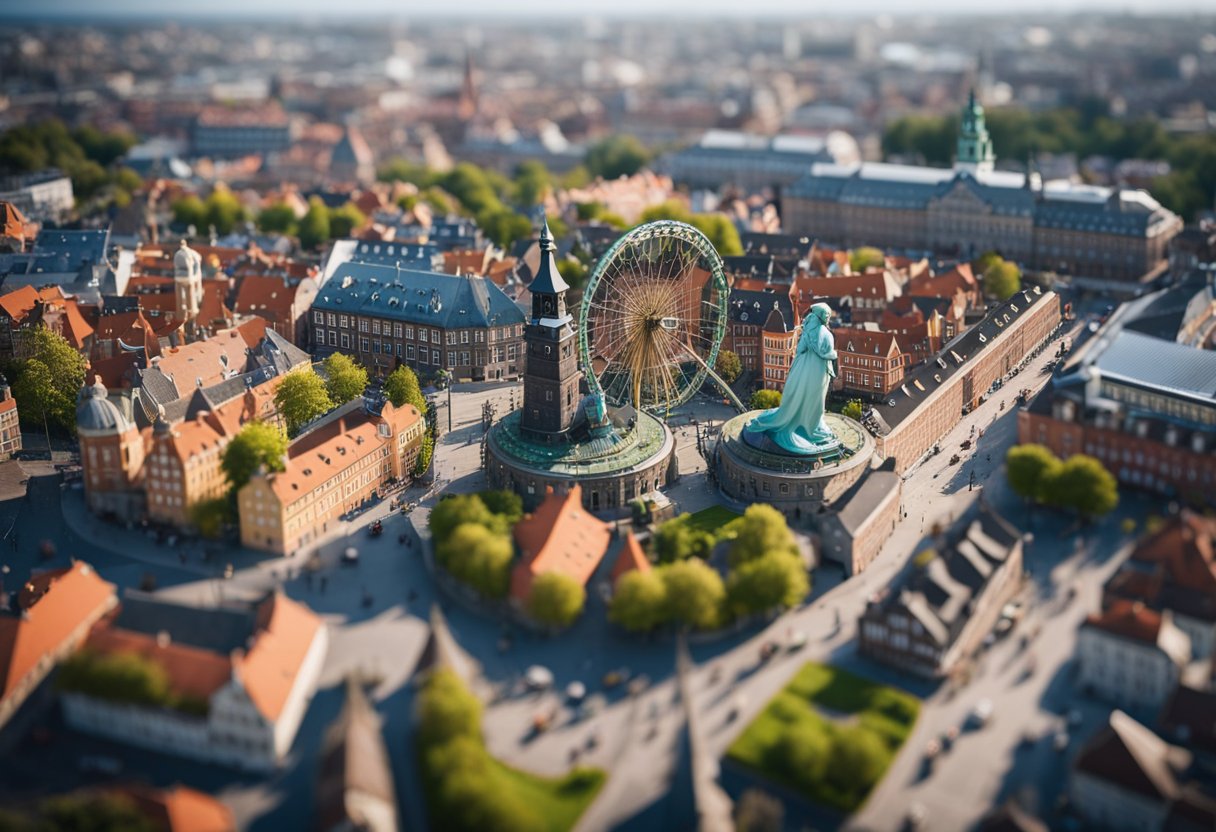
From the enchanting Tivoli Gardens to the picturesque Nyhavn, Copenhagen’s allure lies in its diverse offerings. The Little Mermaid statue and the Royal Palace exemplify Denmark’s cultural heritage, while contemporary attractions like CopenHill promise unforgettable moments. With such a variety of options, anyone visiting the city will discover something that piques their interest.
As travelers explore Copenhagen, they encounter an environment that celebrates both tradition and innovation. The city’s easy navigation, combined with its welcoming atmosphere, makes it an ideal destination for anyone aiming to experience the best Denmark has to offer.
,
Iconic Landmarks and Architectural Wonders
Copenhagen is renowned for its stunning architecture and historic sites, showcasing a blend of the old and the new. From vibrant harbors to majestic palaces, the city offers a variety of landmarks that capture its cultural essence.
Nyhavn: The Heart of Copenhagen
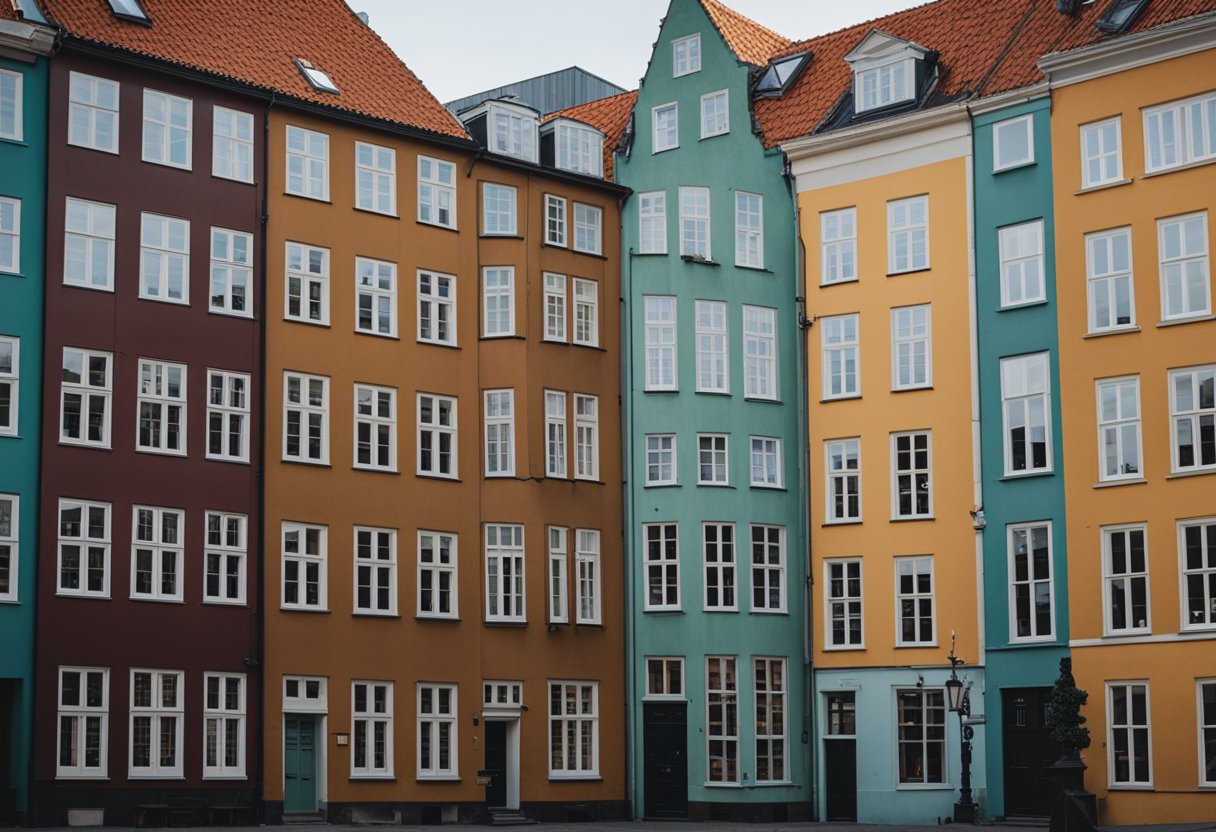
Nyhavn is a picturesque waterfront district that reflects Copenhagen’s rich maritime history. Lined with colorful 17th-century townhouses, this area was once a bustling hub for sailors and traders. Today, it is a lively locale filled with restaurants, cafes, and bars.
Visitors can stroll along the canal and admire the historic wooden ships docked nearby. Nyhavn is a perfect spot for photography, thanks to its vibrant colors and charming atmosphere. In warmer months, visitors enjoy outdoor dining, while in winter, the area transforms into a cozy winter wonderland.
Tivoli Amusement Park Experience
Tivoli Gardens, one of the oldest amusement parks in the world, offers a unique blend of thrill rides and beautiful gardens. Founded in 1843, it features iconic attractions such as the wooden roller coaster, Rutschebanen, and the stunning carousel.
The park is not just about rides; it hosts various events, including concerts and cultural performances, throughout the year. Visitors can experience the enchanting gardens filled with seasonal flowers, vibrant lights, and charming pathways. Tivoli’s atmosphere changes with the seasons, making it a must-visit site any time of year.
Rosenborg Castle and Its Gardens
Rosenborg Castle, built in the early 17th century, is a remarkable example of Renaissance architecture. Located in the King’s Garden, it houses the Danish crown jewels and royal artifacts. The opulent interiors showcase lush tapestries, ornate furniture, and exquisite art.
Visitors can explore the beautifully manicured gardens surrounding the castle, which offer a serene escape from the bustling city. The grounds are perfect for picnicking or simply enjoying a leisurely stroll. The proximity to public transportation makes it easy to visit this royal treasure.
Amalienborg Palace: Royal Residence
Amalienborg Palace serves as the winter residence for the Danish royal family. This architectural masterpiece consists of four identical palaces surrounding an octagonal courtyard. Visitors can witness the Changing of the Guard ceremony, a daily spectacle that draws many tourists.
Inside the palace, the Museum of Amalienborg provides insight into the royal history of Denmark. The exhibitions feature many personal items from past monarchs, showcasing their lives and reigns. The nearby Marble Church adds to the grandeur of the area, highlighting the beauty of Danish Baroque architecture.
,
Cultural Highlights and Unique Districts
Copenhagen boasts rich cultural highlights and unique neighborhoods that showcase the city’s history and creativity. From royal palaces to alternative living spaces, these attractions offer diverse experiences for visitors.
Christiansborg Palace and Danish Parliament
Christiansborg Palace is a significant landmark situated on Slotsholmen Island. It serves as the seat of the Danish Parliament, the Prime Minister’s Office, and the Supreme Court. Visitors can explore the Royal Reception Rooms, the Great Hall adorned with tapestries, and the historic kitchen.
The palace encompasses both opulence and history, reflecting Denmark’s royal heritage. Guided tours provide insights into its architecture and the workings of the government. Moreover, the view from the tower offers a panoramic perspective of the city, making it a must-visit for history enthusiasts.
Explore Freetown Christiania
Freetown Christiania is an intriguing alternative community located in Christianshavn. Established in 1971, it is famous for its free-spirited culture, colorful murals, and eco-friendly initiatives. The area operates independently of city regulations, giving it a unique vibe.
Visitors can wander through the car-free streets, enjoy art installations, and sample local foods from various eateries. The Pusher Street market, while controversial, showcases the community’s entrepreneurial spirit. Christiania also hosts events such as live music and art festivals, creating a vibrant atmosphere.
Kødbyen: The Meatpacking District
Kødbyen, known as the Meatpacking District, is a lively cultural hub situated in Vesterbro. Once primarily a slaughterhouse area, it has transformed into a trendy spot filled with restaurants, galleries, and nightlife.
The district features a mix of old industrial buildings and modern architecture. Visitors can explore various dining options ranging from gourmet restaurants to casual eateries. The area also hosts cultural events, art shows, and flea markets, contributing to its dynamic atmosphere.
Kødbyen serves as a perfect example of how Copenhagen repurposed its historical spaces into contemporary cultural experiences.
Papirøen: Street Food and Creativity
Papirøen, or Paper Island, is a prime destination for street food lovers and creative minds. This area emerged as a popular gathering spot, featuring a vibrant food market housed in shipping containers.
Visitors can enjoy a variety of cuisines from local and international vendors. The open-air setting encourages social interaction and a friendly atmosphere.
In addition to food, Papirøen is home to art installations and creative projects, reflecting the innovative spirit of Copenhagen. It provides an opportunity to experience culinary diversity while immersing oneself in the city’s artistic community.
,
Essential Copenhagen Experiences
Copenhagen offers a diverse range of experiences that cater to various interests. From scenic canal tours to engaging walking tours, and rich cultural insights at museums, visitors can immerse themselves in the city’s vibrant atmosphere.
Canal Tour and Waterfront Sights
A canal tour is an excellent way to appreciate Copenhagen’s waterfront charm. Visitors can glide through the city’s picturesque canals, observing historic buildings and modern architecture. Popular stops include the iconic Nyhavn and the stunning Opera House. Various options are available, from guided tours to self-rent boats.
The tour often includes views of notable landmarks, such as the Little Mermaid statue. Many tourists consider a canal tour an essential activity, as it provides a unique perspective on the city. Floating hot tubs in the canals add a fun twist for those looking for a memorable experience.
Walking Tours and Local Insights
Walking tours offer an intimate way to explore Copenhagen. A free walking tour in Copenhagen is particularly popular, providing visitors with knowledgeable guides who share the city’s history and culture. These tours generally cover highlights like the Royal Palace and Freetown Christiania.
Guided tours are available, focusing on specific themes such as food, history, or street art. Participants gain insights that might not be evident to casual visitors. Exploring on foot also allows for spontaneity, making it easy to discover hidden gems and bustling local markets.
Museums and Art Galleries
Copenhagen boasts numerous museums and art galleries that reflect its rich cultural heritage. The National Museum offers an extensive collection of Danish history, from the Stone Age to the present. It’s a must-visit for anyone looking to understand Denmark’s past.
Art enthusiasts should not miss the Ny Carlsberg Glyptotek, featuring works by renowned artists such as Van Gogh and Monet. Smaller galleries often showcase contemporary Danish art and emerging local artists. Engaging with these cultural institutions provides deeper insight into Copenhagen’s artistic landscape.
,
Culinary Scene and Local Delicacies
Copenhagen boasts a vibrant culinary scene rich in tradition and modern twists. The city is known for its open-faced sandwiches, cozy cafes, and a strong emphasis on creating a warm atmosphere where food can be enjoyed leisurely.
Smørrebrød and Danish Cuisine
Smørrebrød, a traditional Danish open-faced sandwich, is a highlight of the local cuisine. Typically served on rye bread, it features a variety of toppings such as cured herring, roast beef, and various salads. Each creation is beautifully arranged to showcase color and texture.
Danish cuisine goes beyond smørrebrød. Ingredients such as fresh seafood, seasonal vegetables, and local meats play a crucial role. Restaurants often focus on sourcing sustainable products, reflecting a commitment to quality and the environment. Visitors can experience these flavors at various eateries throughout the city.
Cafes, Bakeries, and Coffee Culture
Copenhagen’s cafe culture thrives on community and comfort, making it the perfect spot for enjoying a leisurely coffee or pastry. Many cafes offer rich coffee blends, complemented by delicious pastries like the iconic Spandauer—a custard-filled pastry that locals adore.
Bakeries in the city are renowned for their freshly baked breads and sweet treats. Many establishments take pride in artisan baking techniques, ensuring a unique taste in every bite. A visit to these bakeries provides a sensory experience, enriched by the aromas of freshly baked goods.
Best Restaurants for Hygge
The concept of hygge, emphasizing coziness and contentment, shapes the dining experience in Copenhagen. Restaurants that prioritize this atmosphere often feature warm lighting, comfortable seating, and friendly customer service. This creates an inviting space that encourages patrons to relax and savor their meals.
Some popular choices include places that serve modern takes on traditional dishes or offer seasonal menus. These establishments often highlight local produce and seafood, ensuring an authentic taste of Denmark. Whether dining alone or with friends, experiencing hygge in Copenhagen’s restaurants is memorable.
,
Frequently Asked Questions
Copenhagen offers a wealth of attractions and experiences for visitors. From iconic landmarks to culinary adventures, there are plenty of activities to consider for a memorable trip.
What are the top attractions to visit in Copenhagen for first-time tourists?
First-time tourists should not miss iconic sites like the Tivoli Gardens, known for its beautiful gardens and amusement rides, and the picturesque Nyhavn, famous for its colorful buildings and waterfront dining. The Little Mermaid Statue is also a must-see, symbolizing Danish folklore.
Which day trips from Copenhagen are most recommended for visitors?
Many visitors opt for day trips to locations like the historic Kronborg Castle, a UNESCO World Heritage site known for its ties to Shakespeare’s Hamlet. Another popular choice is Roskilde, home to the Viking Ship Museum and its rich cultural heritage.
What are the best local experiences for young adults in Copenhagen?
Young adults often enjoy exploring Freetown Christiania, a unique neighborhood with a vibrant arts scene and alternative lifestyle. They may also find Refshaleøen appealing, known for its food markets and cultural events.
Can you suggest any free activities to do in Copenhagen?
Visitors can explore the beautiful Kastellet, a well-preserved star fortress that offers scenic walks. Another free activity is strolling through The King’s Garden, a popular park featuring beautiful landscapes and historical features.
What are some must-visit restaurants to experience the Copenhagen food scene?
Copenhagen’s food scene is renowned, with must-visit spots like Noma, frequently voted one of the best restaurants in the world. Additionally, places like Restaurant Geranium offer exquisite fine dining experiences that showcase local ingredients.
How can visitors make the most of a three-day itinerary in Copenhagen?
To maximize a three-day itinerary, visitors should plan to first explore central attractions like the Rundetaarn and the National Museum of Denmark. Day two can focus on a combination of local experiences and day trips, while the last day should include leisurely exploration of neighborhoods and a canal tour.