
Copenhagen’s dining scene is known for its innovative approach to cuisine, combining traditional Danish flavors with modern techniques. The Danish capital offers a diverse range of restaurants, from Michelin-starred fine dining to casual eateries that highlight local ingredients.
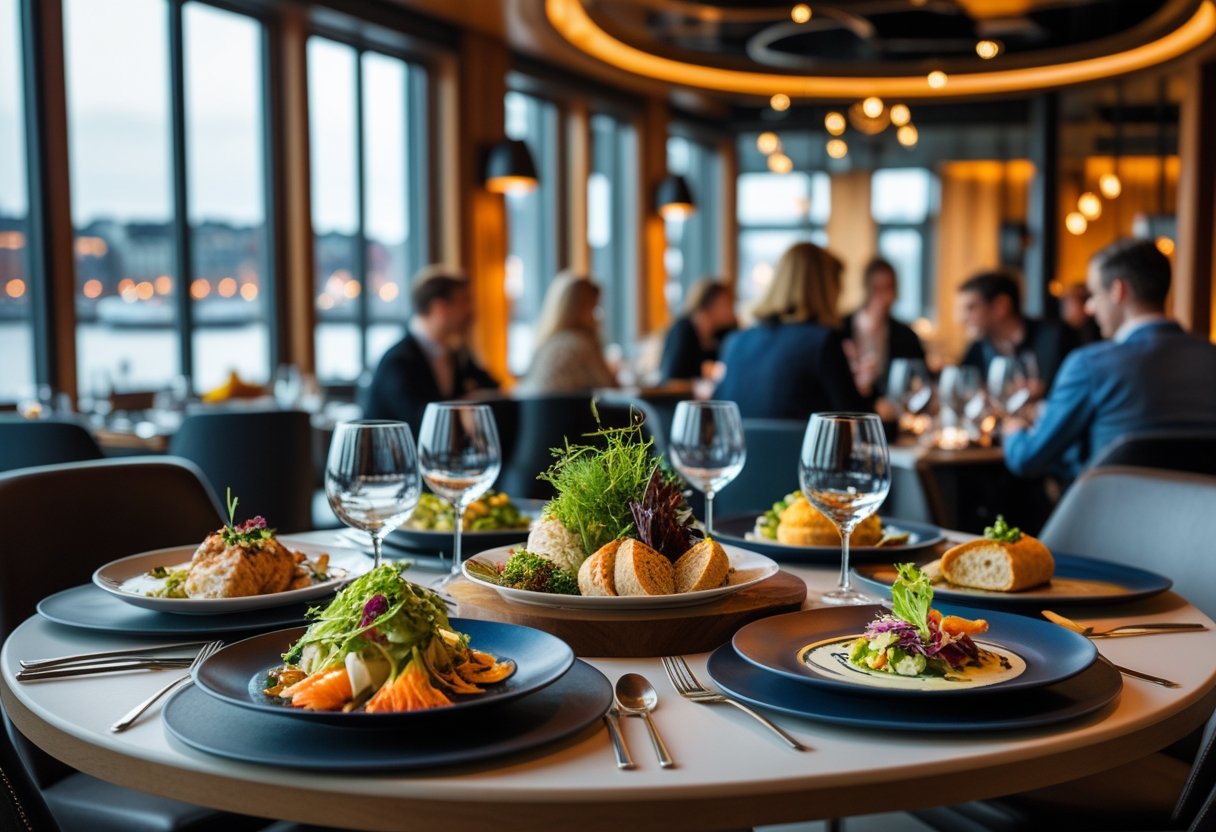
The top 10 restaurants in Copenhagen represent the best the city has to offer, showcasing world-class hospitality, exceptional food, and a variety of styles that appeal to different tastes and preferences. This selection includes well-established favorites as well as exciting new spots that reflect current trends like sustainability and New Nordic cuisine.
Visitors to Copenhagen can explore everything from elegant tasting menus to cozy bakeries and harbourside cafés, making the city a compelling destination for food lovers. Discovering these top dining locations offers a clear picture of why Copenhagen remains a key hub for culinary innovation. For more details, see the list of the best restaurants in Copenhagen.
,
Overview of Copenhagen’s Dining Scene
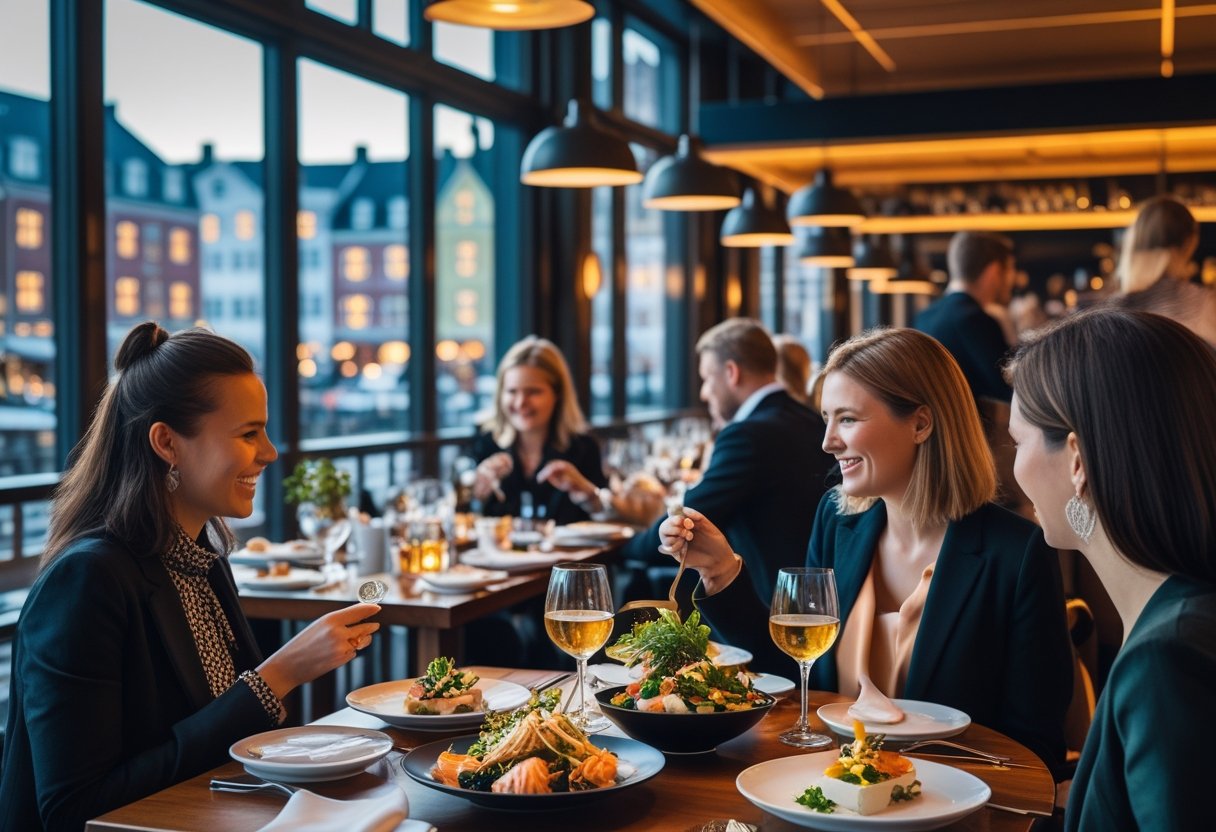
Copenhagen’s dining scene is defined by innovation and tradition. It balances cutting-edge culinary techniques with respect for local ingredients and Danish heritage. The city offers a variety of dining experiences, from refined Michelin-starred restaurants to vibrant neighborhoods where food culture thrives.
Rise of New Nordic Cuisine
New Nordic cuisine has shaped Copenhagen’s identity as a food capital. It emphasizes seasonal, locally sourced ingredients and simplicity, drawing on traditional Danish dishes while adding modern creativity. Pioneered by restaurants like Noma, this movement transformed Nordic food into an internationally acclaimed style.
Chefs focus on purity of flavors and sustainability, often using wild herbs, root vegetables, and seafood from the Nordic region. Embracing minimalism and natural aesthetics, New Nordic cuisine fosters deeper connections between diners and the environment.
Michelin-Starred Achievements
Copenhagen hosts a significant number of Michelin-starred restaurants, placing it among the world’s top culinary destinations. Establishments such as Geranium, Alchemist, and Noma—once a Michelin-starred restaurant before transitioning to an experimental kitchen—highlight the city’s commitment to excellence.
These restaurants blend rigorous technique with innovative concepts, offering tasting menus that showcase local ingredients with international flair. Securing reservations can be challenging due to their global reputation and limited seating, reflecting the high demand for this level of dining in the city.
Neighborhood Dining Destinations
Beyond its fine dining, Copenhagen offers vibrant neighborhood food scenes. Christianshavn, in particular, is known for its diverse eateries, ranging from cozy bistros to modern Nordic cafés. It provides an authentic experience of Danish culture through food in an informal setting.
Other neighborhoods like Vesterbro and Nørrebro feature casual dining, street food markets, and fusion concepts. These areas highlight a more relaxed, approachable side of Copenhagen’s culinary landscape, balancing affordability with quality and creativity.
,
Top 10 Restaurants in Copenhagen
Copenhagen offers a diverse dining scene, blending pioneering culinary techniques with rich local traditions. The city’s top restaurants emphasize seasonal ingredients, precise craftsmanship, and memorable atmospheres.
Geranium: Innovative Nordic Excellence
Geranium, led by chef Rasmus Kofoed, symbolizes cutting-edge Nordic cuisine with a focus on natural Danish ingredients. It holds three Michelin stars, reflecting its dedication to finesse and innovation.
The menu integrates foraged elements and farm-fresh produce, presented in visually striking dishes. The dining experience is meticulously crafted, balancing technical skill with a deep respect for flavor purity. Geranium operates inside a bright space on the eighth floor, offering views that complement the meal’s refinement.
Noma: The Global Pioneer
Noma set the global standard for New Nordic cuisine under chef René Redzepi. It emphasizes foraging and reinventing traditional Danish ingredients, leading culinary trends worldwide.
The restaurant is renowned for its multi-course tasting menus, showcasing seasonal transformations and unexpected flavor combos. Noma continuously evolves, creating immersive and innovative dining experiences that attract international food enthusiasts.
Marchal: Classic Meets Contemporary
Marchal is located in the historic Hotel d’Angleterre and combines classic French techniques with contemporary Nordic flair. The restaurant offers luxury in an elegant yet relaxed setting.
The menu features refined dishes that highlight quality produce and impeccable preparation. Marchal’s wine selection is extensive, carefully chosen to enhance each dish’s profile.
Kadeau Copenhagen: Bornholm Flavors
Kadeau Copenhagen brings the raw, earthy flavors of Bornholm island to the city’s fine dining scene. The kitchen prioritizes ingredient integrity, working closely with local farmers and foragers.
Dishes emphasize simplicity and seasonality, presenting traditional elements with modern clarity. The restaurant’s atmosphere is minimalist, focusing attention on the taste and texture of regional products.
Alchemist: Avant-Garde Experiences
Alchemist offers a unique, theatrical dining experience that pushes culinary boundaries. It focuses on multi-sensory storytelling, combining food with visual and conceptual art.
Menus are highly experimental, often incorporating unusual techniques and ingredients. This space challenges conventional dining expectations, making it notable for adventurous guests.
AOC: Sensory Nordic Journey
AOC delivers an intimate Nordic tasting menu with an emphasis on sensory engagement. The Michelin-starred restaurant uses wood, smoke, and natural elements to reflect Scandinavia’s environment.
The dishes are thoughtfully composed, balancing textures and local flavors with precision. The intimate setting enhances focus on each course’s detail and craftsmanship.
Kong Hans Kælder: Timeless French Dining
Kong Hans Kælder stands as Copenhagen’s classic French fine dining destination. It maintains a tradition of elegance paired with refined culinary techniques.
The ambiance captures historic charm, while the kitchen offers rich, carefully executed dishes. It is a reliable choice for those seeking traditional, polished dining in the city.
Jordnær: Refined Organic Creations
Jordnær emphasizes organic, biodynamic ingredients sourced responsibly. The kitchen creates dishes simple in appearance but complex in flavor.
This small restaurant highlights freshness and provenance, often changing its menu to reflect ingredient availability. The atmosphere is cozy and approachable, encouraging relaxed enjoyment.
Alouette: Urban Creativity
Alouette blends urban casualness with creative Nordic flavors. The kitchen showcases seasonal produce with vibrant techniques and unexpected combinations.
The dining space is modern and inviting, suited for both casual meals and special occasions. It balances innovation with accessibility in its cuisine.
Popl Burger: Casual Charm by Noma Alumni
Popl Burger was established by Noma alumni focusing on quality fast-casual dining. It delivers gourmet burgers made from premium Danish ingredients.
The concept combines the informal atmosphere of a burger joint with elevated flavors and careful sourcing. Popl Burger appeals to a broad audience seeking flavor without formality.
For a detailed guide on Copenhagen’s best restaurants visit the 10 Best Restaurants in Copenhagen (2025 Edition).
,
Essential Copenhagen Dishes and Delicacies
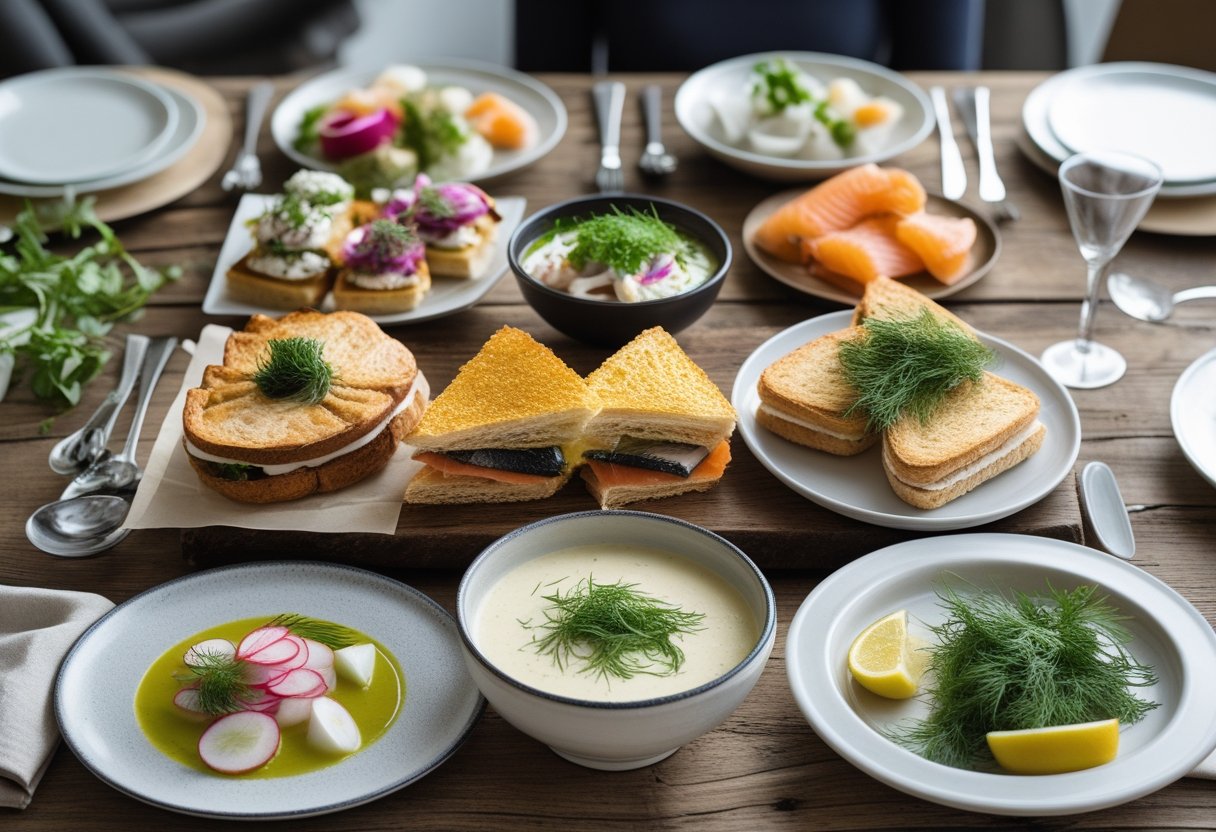
Copenhagen’s culinary identity is shaped by traditional techniques and local produce. Dishes highlight clear flavors through careful preparation and sourcing, often bridging historic roots with modern trends. Familiarity with these staples helps in understanding the city’s food culture.
Smørrebrød and Iconic Open-Faced Sandwiches
Smørrebrød is a cornerstone of Danish cuisine, especially in Copenhagen. These open-faced sandwiches typically feature a dense rye bread base topped with combinations like pickled herring, cold cuts, liver pâté, or smoked salmon.
Presentation is key; garnishes include fresh herbs, radish slices, or fried onions. Many restaurants in Copenhagen elevate smørrebrød by using seasonal ingredients and innovative pairings. It remains a versatile dish served at both casual cafés and high-end establishments.
Smørrebrød offers a balance of texture and taste, representing heritage through craftsmanship and ingredient quality.
Danish Pastries and Bakeries
Copenhagen boasts a strong bakery tradition, famed for buttery Danish pastries known locally as wienerbrød. These pastries are laminated with layers of butter and dough, creating a flaky texture. Popular varieties include spandauer (filled with custard or jam) and kanelsnegl (cinnamon rolls).
Artisanal bakeries often specialize in rye bread and sourdough, essential to local dining. Freshness and technique distinguish top bakeries, serving both locals and visitors. Sampling pastries in Copenhagen reveals the city’s emphasis on balancing sweetness and delicate layering.
The bakery scene remains a critical part of Copenhagen’s food culture, blending both historic recipes and contemporary innovation.
Local Ingredients and Foraging Traditions
Copenhagen’s chefs frequently incorporate foraged ingredients, reflecting a commitment to seasonality and sustainability. Wild herbs, mushrooms, berries, and seaweed are commonly featured in menus across notable restaurants.
Foraging connects cuisine to the surrounding landscape, offering intensified and unique flavors. This practice supports local ecosystems and manifests in dishes that emphasize freshness and terroir.
Restaurants use foraged items to transform traditional dishes, marrying Danish culinary heritage with modern techniques and environmental consciousness.
Foraging remains an important aspect of Copenhagen’s evolving food scene, reinforcing its reputation for inventive, ingredient-driven dining.
,
Frequently Asked Questions
Copenhagen offers a diverse dining scene, from high-end Michelin-starred restaurants to casual, budget-friendly spots. Many places highlight local ingredients and Scandinavian flavors, while others blend international influences and modern culinary trends.
What are the current top-rated dining spots in Copenhagen?
Some of the highest-rated restaurants include Alchemist, known for its avant-garde cuisine, and other internationally recognized venues that focus on seasonal, innovative dishes. These spots consistently receive praise for quality, creativity, and service.
Which restaurants in Copenhagen offer the best value for money?
Several restaurants provide excellent dining experiences without premium prices. Casual bistros and emerging eateries often combine great flavors with reasonable cost, attracting both locals and visitors seeking affordable yet memorable meals.
Where can I find the best traditional Danish cuisine in Copenhagen?
Traditional Danish food is widely available in both classic and modern settings. Places specializing in New Nordic cuisine often reinterpret traditional dishes with fresh, local ingredients and contemporary presentation.
Can you list the Michelin-starred dining establishments in Copenhagen?
Copenhagen has multiple Michelin-starred restaurants renowned worldwide. These include landmark restaurants offering tasting menus that emphasize seasonality, innovation, and Nordic culinary traditions.
What trendy eateries in Copenhagen are popular right now?
Trendy spots tend to emphasize sustainability, unique concepts, and social atmospheres. Many blend casual dining with high-quality ingredients and creative menus, drawing a younger, cosmopolitan crowd.
Which Copenhagen restaurants were featured in famous travel or food shows?
Certain restaurants have gained international attention through travel and food TV shows. These venues often highlight exceptional culinary talent or unique dining experiences that showcase Copenhagen’s food culture. For more details, see the top restaurant listings.