
Nordic food is defined by its focus on fresh, local ingredients and simple, clean flavors. It draws heavily on seasonal produce, seafood, and traditional preservation methods like smoking and pickling. This cuisine balances health and taste through dishes that are both hearty and light, showcasing the natural qualities of the Nordic region’s bounty.
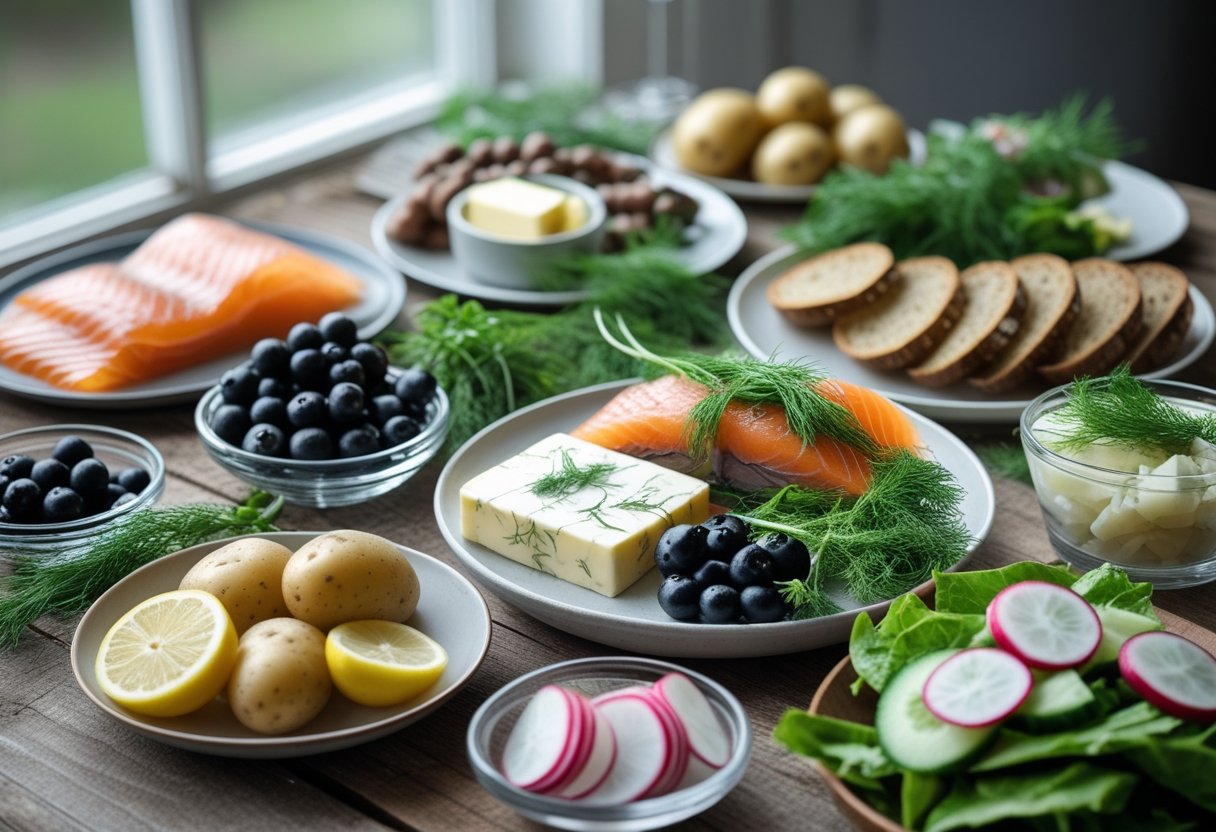
Dishes such as salmon gravlax, meatballs, and rye breads illustrate the variety within Nordic cuisine, reflecting its rich cultural heritage across Norway, Sweden, Denmark, Finland, and Iceland. It embraces sustainability and ethical sourcing, which influences how chefs approach creating modern versions of classic recipes.
With roots in centuries-old traditions, Nordic food has evolved to emphasize innovation without losing its connection to nature. Exploring this cuisine offers insight into how a blend of old techniques and new ideas can shape a memorable and distinctive food culture. For a collection of authentic recipes and deeper knowledge, one can explore traditional Nordic recipes.
,
Key Principles of Nordic Food
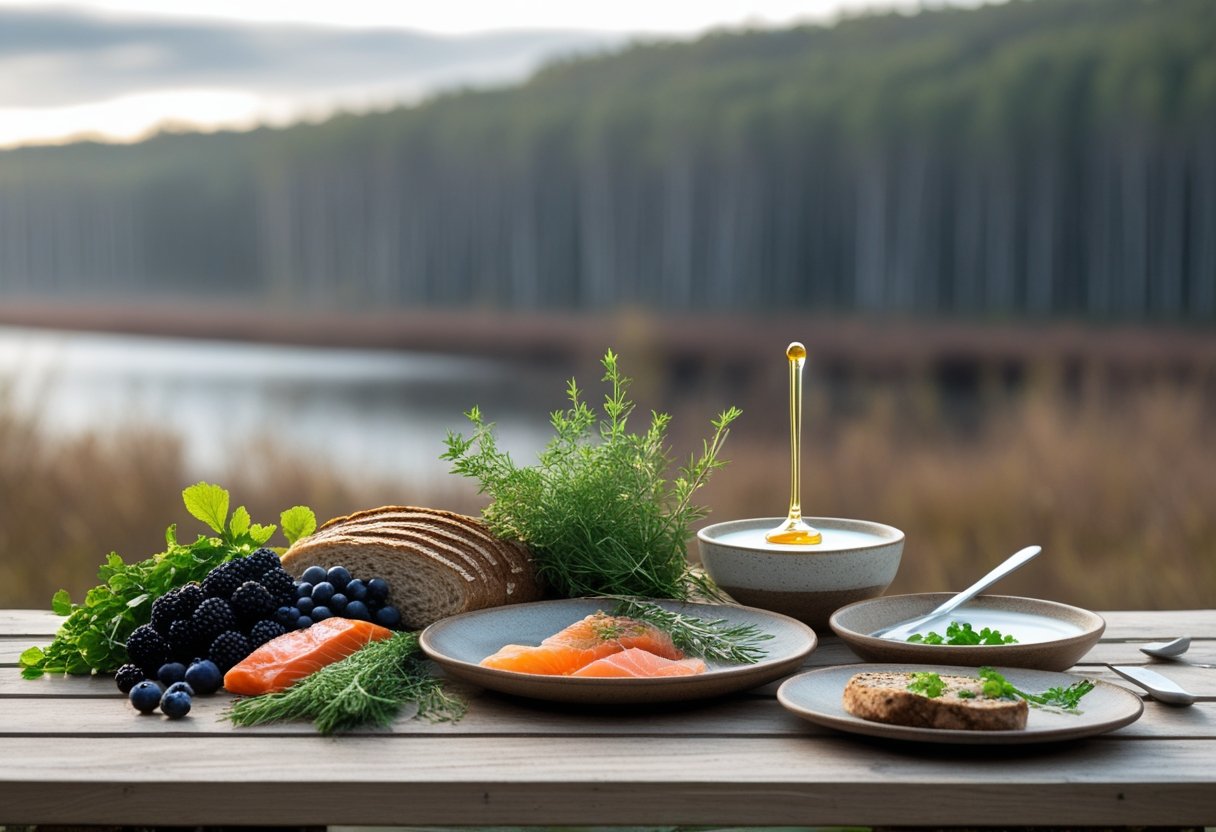
Nordic food emphasizes simplicity, natural flavors, and sustainability. It reflects the region’s climate and landscape, focusing on ingredients that thrive in Scandinavia’s distinct environment. Traditional methods and seasonal availability shape the cuisine’s unique character.
Core Ingredients and Flavors
Nordic cuisine relies heavily on ingredients native to Scandinavia and the Nordic region. Common staples include fatty fish such as salmon, herring, and mackerel, valued for their omega-3 fatty acids and rich flavor. Root vegetables, like carrots, turnips, and beets, provide earthy tones essential to many dishes.
Preserved foods like pickled herring, smoked meats, and cured fish are key due to the long, cold winters where fresh produce is scarce. Herbs like dill, sea buckthorn, and lingonberries add bright, tart notes balancing heavier flavors.
The diet’s emphasis on whole grains includes rye, barley, and oats, which are often used in breads and porridges. These staples highlight the region’s agricultural strengths and offer texture and complexity to Nordic dishes.
Traditional Cooking Techniques
Scandinavian cooking often utilizes techniques designed to extend shelf life and enhance natural flavors. Smoking, curing, fermenting, and pickling are prevalent methods rooted in preservation needs. These techniques contribute distinctive tastes and textures to numerous Scandinavian recipes.
Slow cooking and open-fire roasting also play vital roles, offering tender, flavorful results while maintaining simplicity. Boiling and steaming vegetables and fish retain nutritional value and showcase the ingredients’ inherent qualities.
Many traditional recipes involve minimal seasoning beyond salt and herbs, reflecting a respect for the natural taste of the food. This approach leads to dishes that highlight purity and balance rather than complexity or heavy spice.
Seasonal and Local Sourcing
Seasonality is fundamental to Nordic cuisine. Chefs and home cooks prioritize ingredients that are freshly available within the immediate environment, which supports biodiversity and sustainability. Foraging wild foods like mushrooms, seaweed, and berries is a common practice, rooting the cuisine deeply in nature.
The short growing season in Scandinavia instills a reliance on preserved foods during winter, with fresh seasonal produce dominating menus in warmer months. This cycle influences meal planning, ensuring dishes reflect the best ingredients each season offers.
Prioritizing local sourcing benefits the environment and supports regional farmers and producers. Many restaurants in the Nordic countries promote this ethos, emphasizing organic and ethically sourced products to maintain both culinary quality and ecological balance. This approach shapes modern interpretations of Nordic food.
Explore more about this ethos in the Key Principles of the Nordic Diet and the New Nordic Kitchen manifesto.
,
Essential Dishes and Iconic Ingredients
Nordic cuisine centers around simple, seasonal ingredients that reflect the region’s climate and natural resources. Staples such as hearty breads, diverse seafood, and game meats are paired with unique vegetables and traditional condiments that define the flavors of the North.
Classic Breads and Grains
Rye bread is a cornerstone of Nordic food culture, especially in Denmark and Sweden. Danish rye bread is dense and dark, often made with sourdough, and serves as the base for smørrebrød—open-faced sandwiches layered with various toppings.
Swedish crispbread, or knäckebröd, is a dry, crunchy flatbread made from rye flour. It’s a versatile accompaniment to butter, cheese, or cured fish, prized for its long shelf life and distinctive texture.
Potatoes, while not a grain, are another essential starch. They are often served boiled, mashed, or baked, and complement many traditional dishes such as meat and fish.
Signature Fish and Seafood
Seafood dominates Nordic menus with pickled herring, salmon, and cod as leading ingredients. Pickled herring is served in many varieties, often flavored with mustard, dill, or onion, and is a staple appetizer.
Salmon, particularly Norwegian salmon, appears fresh, smoked, or cured as gravlax. Smoked salmon offers a rich, silky flavor, commonly paired with rye bread or crispbread.
Cod is prevalent in both fresh and dried forms, used in stews, soups, or fried dishes, highlighting the Nordic focus on fresh, local seafood.
Meats and Game Specialties
Lamb and reindeer are prominent meats, reflecting traditional farming and hunting practices. Lamb is often slow-cooked or roasted, seasoned simply to highlight its natural flavor.
Reindeer meat is tender and lean, common in northern Nordic regions, served in stews or grilled.
Another popular specialty is pølse med lompe, a traditional sausage wrapped in a soft flatbread similar to a potato pancake. It’s a common street food and comfort meal across Norway.
Popular Vegetables and Condiments
Root vegetables and hardy greens define Nordic sides. Cabbage is frequently pickled or cooked, providing a sour, fresh contrast to rich meats and fish.
Mushrooms, including wild varieties, are foraged and used in sauces and soups, enriching dishes with earthy notes.
Berries like lingonberries and bilberries add tartness, served fresh or as jams that accompany meat dishes.
Aquavit, a caraway-flavored spirit, often acts as a palate cleanser or digestif with meals, reflecting the cultural tradition of Nordic dining.
,
Celebrated Nordic Sweets and Baked Goods
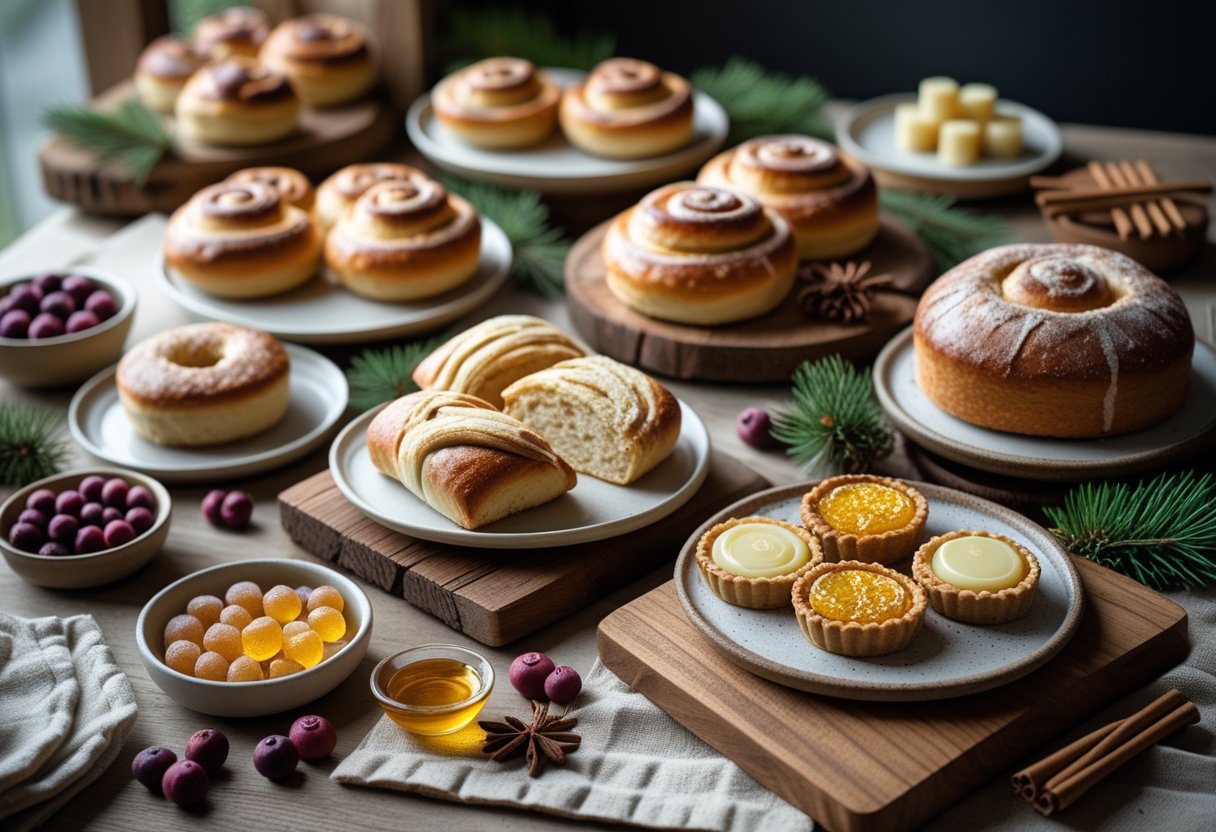
Nordic sweets showcase a rich tradition of baked goods that blend simple ingredients with bold flavors. From aromatic spices to layered pastries, these treats often carry cultural significance tied to holidays or social gatherings.
Traditional Pastries and Cakes
Swedish cardamom buns, known as kardemummabullar, are a staple pastry in Nordic cuisine. They are made from a yeasted dough infused with cardamom and twisted into elegant shapes, offering a soft texture balanced with warm spiced notes.
Another iconic item is the Swedish visiting cake, traditionally baked to welcome guests. This cake is typically moist, lightly spiced, and layered with cream or jam, reflecting a hospitable Nordic baking custom.
Many Nordic pastries rely heavily on almonds and rich creams, as seen in the famous princess cake, though this particular cake is Swedish rather than Norwegian. These pastries emphasize both taste and presentation, often enjoyed during fika or festive occasions.
Cookies and Festive Treats
Cookies hold a significant place in Nordic celebrations, especially during Christmas. Pepparkakor, thin gingerbread-like cookies, are popular across Sweden and Norway. They blend cinnamon, ginger, and cloves, creating a crisp, spiced biscuit that is traditionally cut into decorative shapes.
Many Nordic households bake these cookies to fill homes with festive aromas. They are often paired with coffee or mulled wine during winter months.
In addition to pepparkakor, butter cookies and almond-based biscuits are common at family gatherings. These treats combine simple ingredients with aromatic spice blends or nuts, maintaining the region’s characteristic understated yet comforting flavor profile. For a collection of these recipes, see Scandinavian dessert inspirations.
,
Contemporary Trends and Culinary Influence
Nordic food today blends tradition with innovation, emphasizing local ingredients, sustainability, and a minimalist aesthetic. This approach shapes how Nordic cuisine is evolving both within the region and on the global stage.
New Nordic Food Movement
The New Nordic Food Movement began in 2004 with chefs like Claus Meyer advocating for dishes rooted in local, seasonal ingredients. It stresses sustainability, wellbeing, and ethical sourcing. The movement’s ten-point manifesto redefined Nordic cooking by elevating local producers alongside chefs.
Key principles include foraging wild ingredients, fermentation, and simplicity in preparation. This has sparked creativity in restaurants and home kitchens alike. The emphasis on natural flavors and minimal manipulation reflects the broader Scandinavian philosophy of respecting nature and tradition.
Nordic Cuisine Abroad
Nordic food has expanded internationally beyond staples like IKEA’s Swedish meatballs. Modern Nordic restaurants in cities worldwide highlight unique ingredients like sea buckthorn and reindeer, often presented with minimalist plating.
This global presence introduces diners to techniques such as fermentation and foraging while fostering appreciation for Nordic climate and geography in food. Nordic chefs outside Scandinavia reinterpret local ingredients inspired by New Nordic principles, contributing to a cross-pollination of culinary cultures.
Dining Culture and Rituals
Dining in Nordic countries prioritizes simplicity and communal experience. Meals often involve multiple small courses, highlighting fresh, local ingredients. Rituals focus on seasonality and connection to nature, reflected in the use of wild herbs, berries, and fish.
The ethos values slowing down, enjoying the meal’s sensory aspects without distraction. This is mirrored in Nordic restaurant design, which emphasizes natural materials and minimalist aesthetics, creating a calm and contemplative environment for diners.
,
Frequently Asked Questions
Nordic cuisine emphasizes fresh, seasonal ingredients, preserved fish, root vegetables, and simple preparation methods. It draws heavily from traditional Scandinavian practices and offers a range of hearty and healthy dishes.
What are traditional dishes in Scandinavian cuisine?
Traditional Scandinavian dishes include smoked fish, lutefisk, pickled herring, and meat stews. Root vegetables like potatoes and carrots are common, often paired with whole grains.
Where can I find authentic Nordic cuisine restaurants?
Authentic Nordic cuisine restaurants are typically found in Nordic countries such as Norway, Sweden, Denmark, and Finland. Additionally, cities with a strong Scandinavian heritage may host specialty Nordic restaurants.
How do I prepare a classic Nordic dish at home?
Classic Nordic dishes often require simple techniques like smoking, pickling, or slow roasting. Using fresh fish, seasonal vegetables, and local grains creates a genuine flavor profile.
What ingredients are commonly used in Nordic cooking?
Common ingredients include smoked fish, root vegetables (like potatoes and beets), rye bread, wild berries, and game meats. Dairy products and herbs such as dill also appear frequently in Nordic recipes.
Can you provide a step-by-step guide for making Nordic Dream Cake?
Nordic Dream Cake typically involves layering sponge cake with whipped cream and custard, finished with caramelized almonds on top. Careful preparation of each layer ensures the dish’s characteristic texture and flavor.
What are some healthy Nordic meals for everyday dining?
Healthy Nordic meals often combine whole grains, lean fish, root vegetables, and berries. The Nordic Diet promotes balanced meals with minimal processed foods and moderate alcohol consumption. More on healthy meal choices can be found at the Nordic Diet Food Pyramid.