
New Nordic cuisine is a culinary movement focused on local, seasonal ingredients and traditional techniques like pickling. It promotes sustainable and ethical sourcing while emphasizing simplicity and clean flavors. At its core, it seeks to reconnect food with nature and place by celebrating the unique landscape and heritage of the Nordic region.
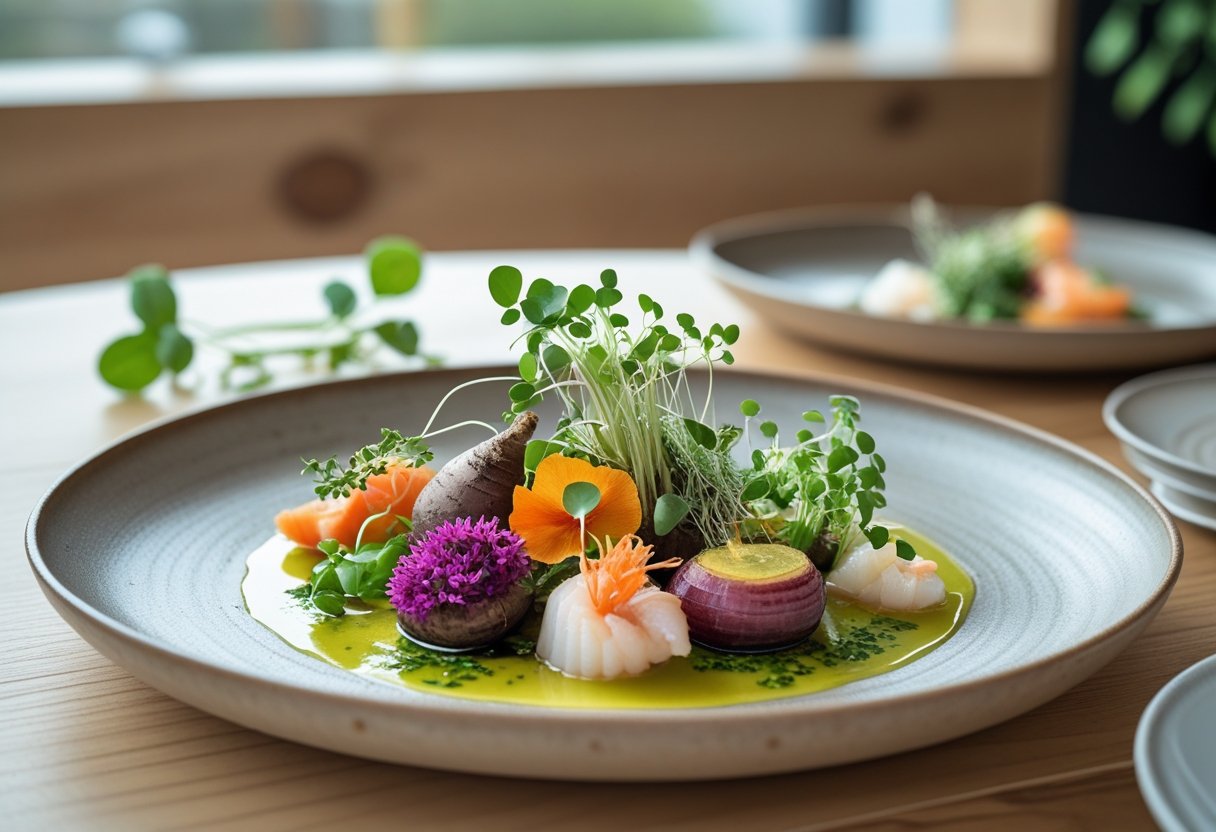
This approach transforms Scandinavian cooking by prioritizing freshness and respecting the entire culinary lifecycle. Chefs in this movement use foraged and organic ingredients to craft dishes that highlight regional identity rather than global trends.
The movement has gained international attention for its innovative yet grounded style, led by renowned chefs who bring Nordic traditions to the global stage. For more on its principles and impact, see New Nordic cuisine explained.
,
Defining New Nordic Cuisine
New Nordic Cuisine is shaped by its focus on regional identity, sustainability, and tradition. It reflects the Nordic countries’ unique climate and food culture through a commitment to seasonal ingredients and local sourcing. Its principles shape every aspect of the culinary experience, from ingredient selection to preparation methods.
Origins and Philosophy
New Nordic Cuisine emerged in the early 2000s as a reaction against heavily internationalized food trends, particularly the dominance of French and Italian styles. Pioneered by chefs like René Redzepi and Claus Meyer, it sought to highlight the natural flavors and biodiversity of Scandinavia.
The movement embraces locavorism, emphasizing local ingredients sourced close to the kitchen. It aims to create a distinct Nordic culinary identity rooted in sustainability and environmental awareness. Traditional techniques, such as pickling and smoking, are combined with modern innovation to reflect the region’s heritage while advancing gastronomy.
Key Characteristics
This cuisine prioritizes freshness, seasonality, and minimal waste. Dishes often feature wild herbs, root vegetables, berries, and fish endemic to the Nordic landscape. The climate-driven growing cycles mean menus change with the seasons, showcasing the best available produce.
Preparation methods respect natural flavors, avoiding heavy sauces or seasoning that mask the ingredient’s essence. Nordic cooking balances rustic simplicity with refinement. Presentation tends to be minimalist, honoring the purity of each component.
Key elements include:
- Use of indigenous plants and animals
- Focus on biodiversity and sustainable harvesting
- Innovative combinations inspired by traditional Nordic diets
The New Nordic Food Manifesto
In 2004, twelve chefs formalized the ideals of New Nordic Cuisine with the New Nordic Food Manifesto. This declaration outlined ten principles centered on local sourcing, health, sustainability, and culinary honesty.
The manifesto calls for respect of nature’s rhythms, reducing food miles by relying on regional producers, and reviving forgotten Nordic food traditions. It encourages chefs to collaborate with farmers, foragers, and scientists to create cuisine that respects the environment and cultural heritage.
Though initially signed by male chefs and facing feminist criticism, the manifesto set the framework for democratic involvement across the Nordic food community, making the movement accessible rather than elitist.
Learn more about its origins and guiding principles at the detailed New Nordic Food Manifesto.
,
Core Principles and Practices
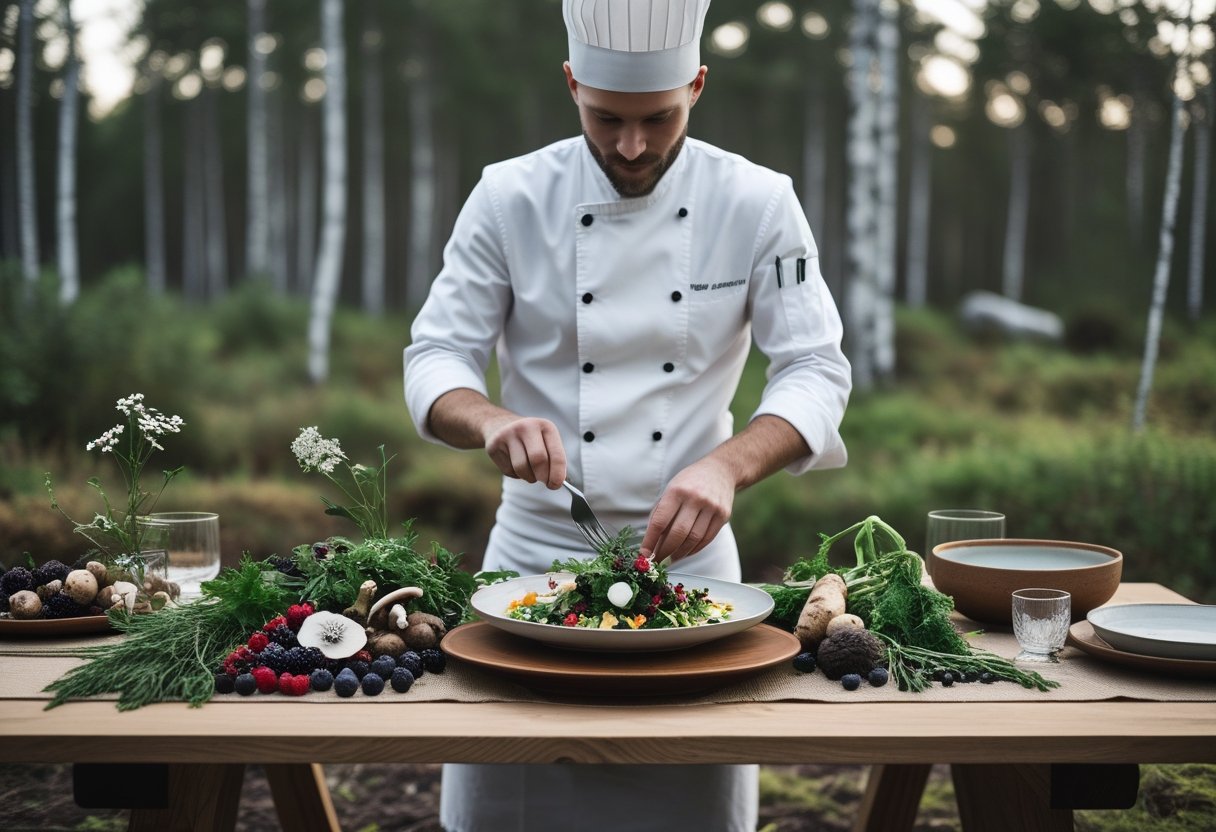
New Nordic Cuisine emphasizes ethical sourcing, freshness, and the balance between tradition and modernity. It integrates responsible food production with cutting-edge culinary methods, all grounded in the region’s natural environment and heritage.
Sustainability and Environmental Ethics
New Nordic Cuisine prioritizes sustainability, aiming to reduce ecological impact through ethical food production. Chefs focus on minimizing waste by using every part of the ingredient and favor methods that conserve natural resources.
The movement promotes responsible fishing, organic farming, and forest foraging. These practices support biodiversity and maintain the health of Nordic ecosystems. It aligns with locavore principles, emphasizing local sourcing to reduce carbon footprints and strengthen community economies.
Sustainability also means transparency in supply chains and encouraging seasonal eating to avoid over-reliance on imports. This approach creates a more resilient food culture rooted in environmental respect and longevity.
Local and Seasonal Ingredients
Core to New Nordic Cuisine is the exclusive use of local and seasonal ingredients. This includes berries, root vegetables, grains, wild herbs, and sustainably caught seafood native to Scandinavia.
Chefs work closely with local producers to ensure the freshest ingredients and to highlight the natural flavors of each season. The seasonal cycle dictates menus, ensuring food is consumed when it is at its peak in taste and nutrition.
This commitment extends to foraging wild plants and mushrooms, connecting diners directly to the Nordic terroir. It reinforces a strong locavore identity by reducing dependency on global supply chains and emphasizing regional biodiversity.
Modern Techniques and Innovation
While rooted in tradition, New Nordic Cuisine incorporates modern culinary techniques to enhance texture, flavor, and presentation. Precision cooking, fermentation, and acidification are common methods that transform humble ingredients into refined dishes.
Innovation also involves revisiting classic Nordic recipes with a contemporary lens. Chefs experiment with combining traditional methods with new science, increasing creativity while preserving authenticity.
This balance between heritage and innovation allows Nordic chefs to elevate simple, regional produce into internationally recognized cuisine that respects its origins while pushing culinary boundaries.
,
Global Influence and Iconic Destinations
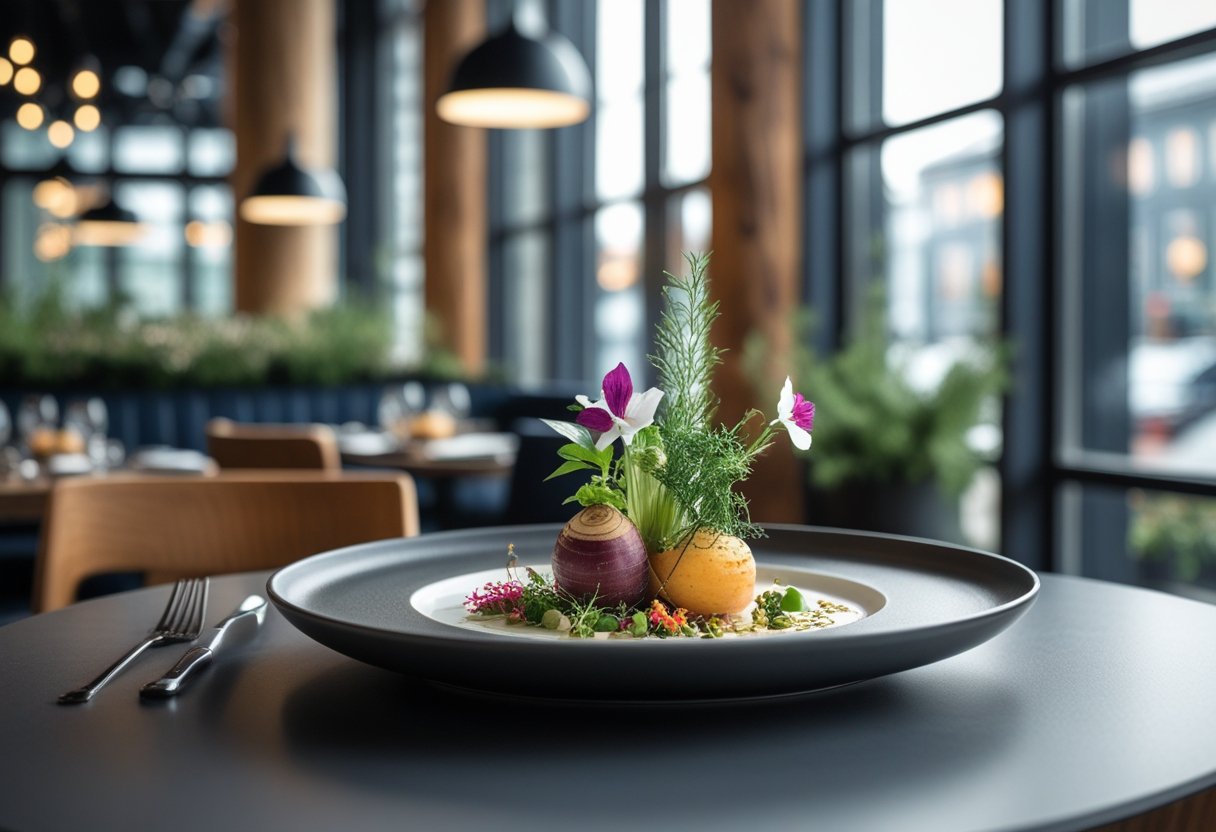
New Nordic Cuisine expanded from a regional movement into a global phenomenon, influencing culinary education and restaurants worldwide. Its principles of locality, seasonality, and sustainability have shaped new dining cultures beyond Scandinavia.
Evolution Beyond Scandinavia
New Nordic Cuisine began in the early 2000s with a focus on traditional Nordic ingredients and techniques. Over time, it gained international attention, inspiring chefs around the world to adopt its ethos. Culinary schools in Tokyo, Toronto, and elsewhere now study its principles, emphasizing wild foraging, slow food practices, and climate-appropriate cooking.
This evolution extends beyond haute cuisine. The movement’s values are visible in casual dining and cafes, making New Nordic ideas accessible and relevant globally. It also influences sustainable food practices and design, tying food to place and community in diverse contexts. This broad adoption confirms its transition from Nordic roots into a worldwide cultural force.
Noma and Culinary Leadership
René Redzepi’s restaurant Noma in Copenhagen is a cornerstone of New Nordic Cuisine’s global reputation. Since its founding, Noma has redefined the possibilities of Nordic ingredients, pioneering innovative uses of wild herbs, fermented foods, and local seafood.
Noma’s influence goes beyond its menu. It serves as a training ground for chefs worldwide, spreading New Nordic techniques and philosophies. The acclaim Noma received propelled Copenhagen into a global food destination, setting standards in sustainability and culinary creativity that others follow.
The restaurant’s work exemplifies how New Nordic Cuisine combines tradition with modern innovation, rooting its global impact firmly in Scandinavian identity.
New Nordic Cuisine in New York
New York has become a significant stage for New Nordic Cuisine’s international expansion. Several restaurants in the city embrace Nordic principles by sourcing seasonal, local ingredients and reinventing classic dishes through minimalist presentation and natural flavors.
This presence reflects a growing interest among American diners in sustainability and authenticity, values central to New Nordic ideals. New York also serves as a testing ground for Nordic chefs and entrepreneurs seeking to adapt their cuisine for a global audience.
Through these restaurants, New Nordic Cuisine influences urban gastronomic trends, blending Scandinavian food culture with New York’s diverse culinary landscape. For more on the global impact, see how New Nordic has sparked a cultural revolution.
,
Technology, Data, and Privacy in Modern Nordic Dining
Modern Nordic dining integrates digital tools to enhance customer experience while carefully managing user data and privacy. Platforms use sophisticated methods to personalize service and maintain security without compromising user trust. Understanding how these technologies operate helps diners navigate the evolving culinary landscape.
Sites and Apps for Dining Experiences
Numerous Nordic restaurants employ dedicated sites and apps to streamline reservations, menu browsing, and event notifications. These platforms often incorporate geolocation data and search history to offer tailored recommendations based on user preferences and location.
Authentication processes are standard to verify users, often requiring login credentials or social media integration. This ensures a secure environment that can also prevent spam and abuse by filtering suspicious activities.
Many apps link to the Yahoo family of brands and other analytics providers to collect data that improves services. These tools help restaurants measure content engagement and audience interest, contributing to dynamic menu adjustments and event planning.
Cookies and User Personalization
Cookies play a crucial role in personalizing dining websites and apps. They track user behavior, including visited pages and time spent, enabling platforms to deliver customized content and promotions.
Compliance with frameworks like the IAB Transparency & Consent Framework ensures that users receive clear information about cookie usage and gain control through privacy settings. The cookie policy typically explains which data types, such as IP addresses and browsing patterns, are collected.
Users can adjust their preferences via a privacy dashboard, deciding what data to share. This transparency helps balance enhanced personalization with respect for individual privacy.
Data Security and Privacy Policies
Data security protocols are a priority within Nordic dining platforms. Encryption and authorized access controls protect personal data from unauthorized breaches.
Platforms implement strict privacy policies to outline data collection, usage, and sharing practices. They often include details on how data supports services development and audience research while ensuring legal compliance.
Proactive measures are taken to prevent hacking attempts and spam, safeguarding both the business and its customers. Regular policy updates reflect evolving security standards and regulatory requirements, reinforcing trust.
,
Frequently Asked Questions
New Nordic Cuisine is built around locality, seasonality, and sustainability. It emphasizes fresh, simple ingredients and revives traditional Nordic flavors with modern techniques.
What are the core principles of the New Nordic Food Manifesto?
The manifesto focuses on local, seasonal ingredients and ethical sourcing. It promotes simplicity, purity, and freshness in food preparation.
It prioritizes sustainability and well-being. The chefs aim to create dishes that reflect Nordic culture and nature authentically.
How has New Nordic Cuisine influenced food trends globally?
It has inspired chefs from cities like Tokyo and Toronto to adopt local and seasonal cooking methods. Culinary schools now teach its principles, spreading its influence worldwide.
The movement helped shift global dining towards sustainability and ethical sourcing. It values regional identity in cuisine over global uniformity.
Which ingredients are staple in New Nordic Cuisine?
Root vegetables, preserved fish, wild herbs, and berries are common staples. Staples also include rye, oats, and game meats sourced locally.
Fresh, seasonal produce is emphasized, with a preference for foraged items. Ingredients often reflect the rugged Nordic environment.
What are some signature dishes in New Nordic Cuisine?
Dishes often feature cured or smoked fish, like gravlax. Open-faced rye bread sandwiches with local toppings are popular.
Root vegetable purees and pickled accompaniments are common. Recipes highlight simplicity and natural flavors.
How do New Nordic Cuisine restaurants integrate sustainability?
Many restaurants use organic or nearly 100% certified organic ingredients. They focus on minimizing waste and sourcing locally to reduce their carbon footprint.
Efforts include foraging and seasonal menus to support biodiversity. Some, like Relæ in Copenhagen, are recognized for their sustainability practices.
Where can one find a comprehensive guide to New Nordic Cuisine recipes?
Several culinary websites and books offer detailed guides and recipes. Insightful blogs and food tours dedicated to Nordic flavors provide practical cooking instructions.
Academic and culinary institutions also publish resources on the subject. These materials support both professional chefs and home cooks interested in the movement.