
Traveling in Copenhagen offers a delightful experience, blending rich history with modern conveniences. The easiest and most efficient ways to navigate the city include cycling and using the well-integrated public transport system. With an extensive network of trains, buses, and metro lines, getting around is both affordable and straightforward.
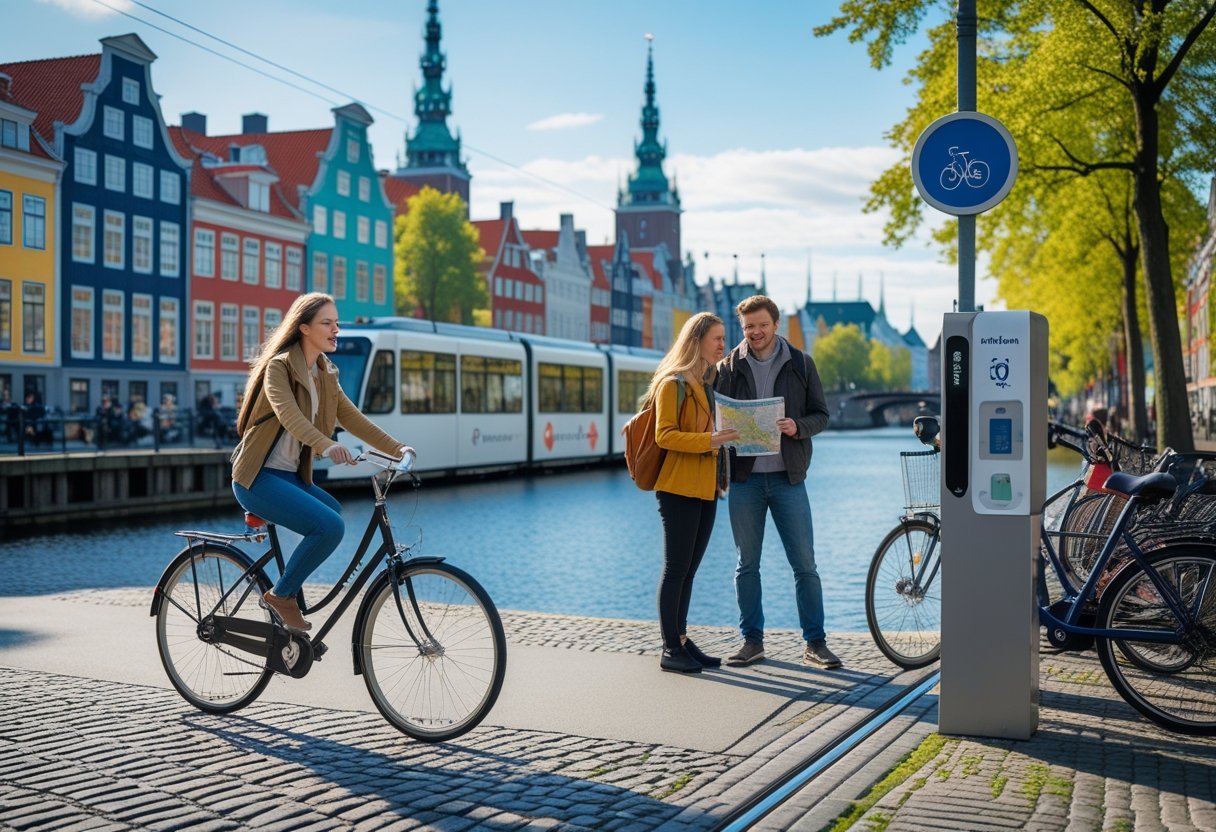
Visitors can easily access major attractions and hidden gems alike. Biking, a popular local choice, allows travelers to explore at their own pace. For those arriving from the airport, direct train and metro connections provide a seamless transition into the city’s vibrant core.
In Copenhagen, ensuring a smooth travel experience is simple. Whether choosing to hop on a bike or utilize public transport, navigating this beautiful city proves to be both enjoyable and convenient.
,
Essential Guide to Getting Around Copenhagen
Copenhagen offers an efficient transportation network, making it easy for visitors to navigate the city. With options like public transport, cycling, and walking, everyone can find a convenient way to explore.
Public Transport Options
Copenhagen’s public transport system consists of buses, metro, and regional trains. The Copenhagen Metro is known for its speed and efficiency, connecting key areas and the airport. The Copenhagen Card provides access to public transport for free and discounts at various attractions.
Buses can be a great way to explore neighborhoods that may not be directly accessible via the metro. With frequent services, travelers can move through the city seamlessly. The main transport hub is located at Copenhagen Central Station, which connects trains to domestic flights from Kastrup Airport.
Navigating the Copenhagen Metro and Trains
The Copenhagen Metro is easy to use, with trains running every few minutes throughout the day. The system consists of four lines, clearly marked by colors. Trains travel from Copenhagen Central Station to various destinations, including the airport in just 12 minutes.
Travelers will find the metro stations well-signposted, particularly at Terminal 3 of the airport, making it straightforward to navigate. For those using the regional trains, connections between the metro and train services are efficient, ensuring a smooth transit experience.
Cycling and Walking in the City
Copenhagen is heralded as one of the world’s most bike-friendly cities. With extensive bike lanes and a flat landscape, cycling is a popular mode of transport. Bicycle rentals are readily available, allowing visitors to explore at their own pace.
Walking is equally enjoyable, as many attractions are located within a compact area. The city’s pedestrian-friendly design encourages exploration on foot, making it a walkable city. For local experiences, travelers often take the time to wander through neighborhoods, soaking in the vibrant atmosphere.
,
Top Things To Do and Experience in Copenhagen
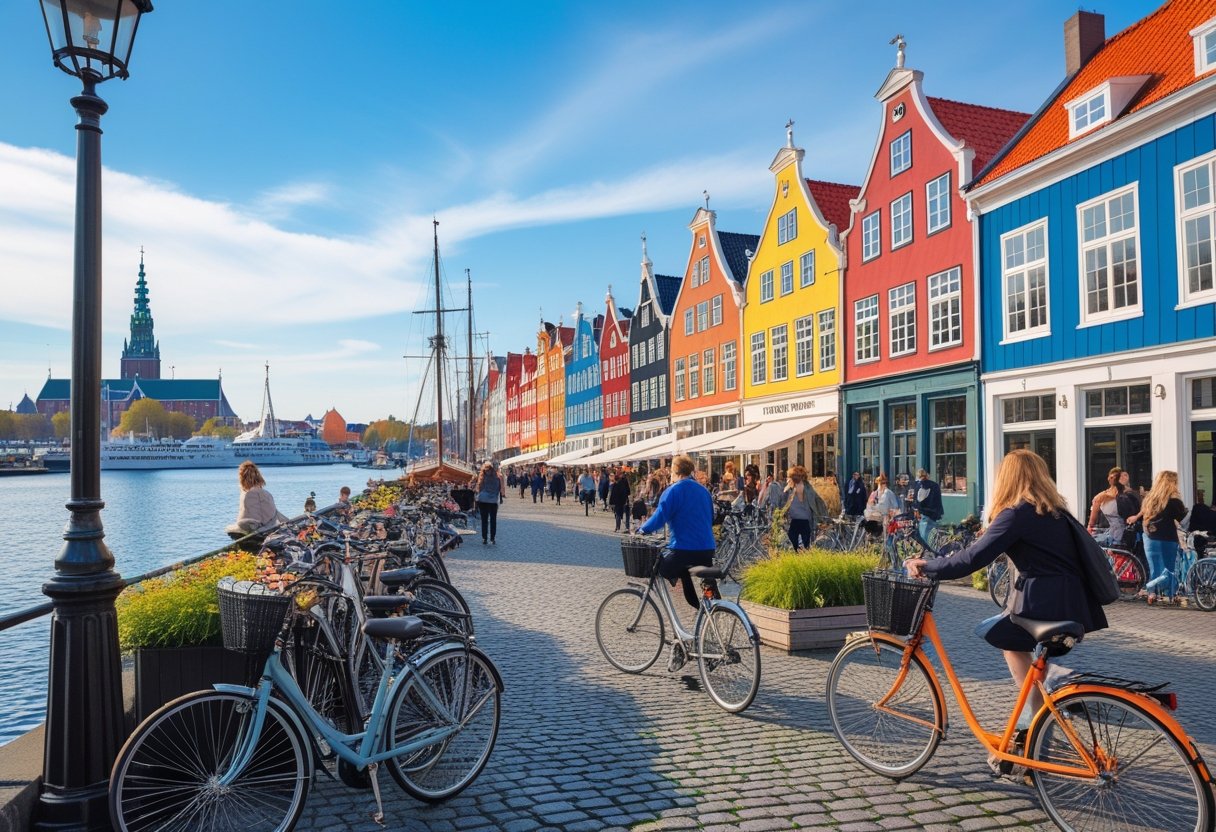
Copenhagen offers a variety of attractions and experiences that cater to different interests. Visitors can explore stunning landmarks, delve into the city’s rich cultural history, wander iconic neighborhoods, and enjoy unique activities.
Landmark Attractions
Copenhagen is home to several landmark attractions that are a must-visit. Tivoli Gardens is one of the oldest amusement parks in the world, featuring whimsical rides, beautiful gardens, and live entertainment. Nearby, the vibrant Nyhavn district showcases colorful 17th-century buildings alongside picturesque canals, perfect for photos or enjoying a meal.
Another highlight is the Opera House, known for its modern architecture and stunning waterfront views. Nearby, Christiansborg Palace serves as a working parliament and offers guided tours of its historic rooms. Additionally, Amalienborg Palace, the residence of the Danish royal family, captivates visitors with its changing of the guard ceremony.
Cultural and Historic Sights
Copenhagen’s cultural landscape is rich with historic sights and museums. The National Museum offers insights into Denmark’s history, showcasing artifacts from various periods, while the Glyptotek features an impressive collection of modern art and ancient sculptures. Visitors can immerse themselves in the city’s past at Cisternerne, an underground museum housed in former water reservoirs, which blends art and history in a unique setting.
The Church of Our Saviour stands out with its iconic corkscrew tower, offering panoramic views of the city for those willing to climb its steps. These attractions reflect Copenhagen’s dedication to preserving its cultural heritage for future generations.
Iconic Neighborhoods to Explore
Copenhagen boasts several iconic neighborhoods, each with its unique charm. The Latin Quarter is a hub of history and academia, featuring cobblestoned streets, cozy cafes, and boutique shops. Another must-visit is Vesterbro, known for its vibrant nightlife, hip restaurants, and trendy bars.
Christianshavn is famous for its canals and the alternative community of Freetown Christiania, which is worth a stroll for its unique atmosphere. Finally, the Kongens Nytorv area serves as a grand square surrounded by historic buildings, making it an ideal spot to unwind and take in the city’s architecture.
Unique Activities and Experiences
Beyond traditional sightseeing, Copenhagen offers unique activities for all types of travelers. A canal tour is an excellent way to see the city from the water, providing views of landmarks from a different perspective. For those interested in outdoor experiences, exploring the city’s many green spaces, such as King’s Garden or Frederiksberg Gardens, offers a peaceful retreat.
Copenhagen also hosts various cultural events throughout the year, including food festivals and art exhibitions. Engaging in local experiences, such as bike tours or cooking classes, allows visitors to connect with Danish culture on a deeper level.
,
Eating, Shopping, and Local Culture
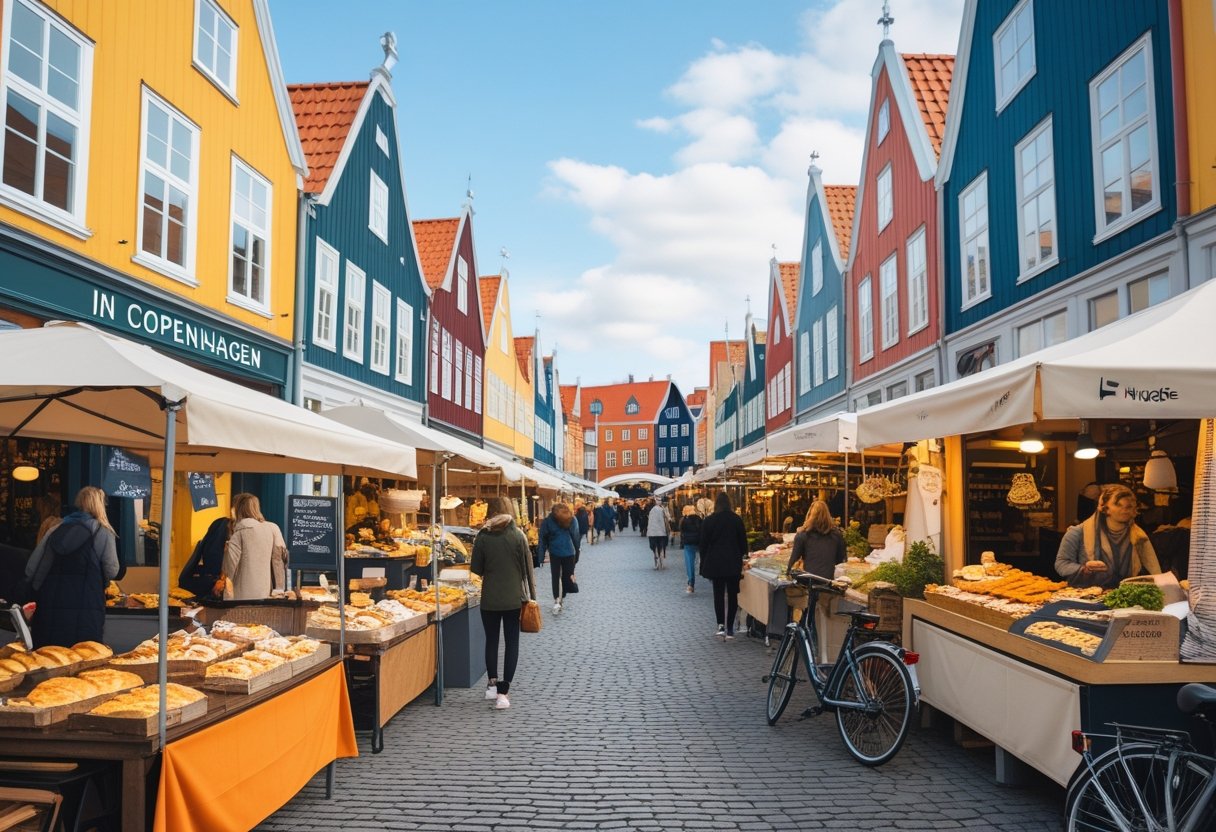
Copenhagen offers a rich tapestry of culinary delights, vibrant shopping experiences, and a deep appreciation for local culture and design. Visitors can immerse themselves in traditional foods, explore unique markets, and appreciate the city’s dedication to aesthetics and functionality.
Danish Cuisine and Must-Try Foods
Copenhagen is renowned for its culinary scene, highlighted by traditional dishes like smørrebrød. This open-faced sandwich is typically topped with various ingredients, including herring, roast beef, or shrimp, all presented beautifully.
Another staple is the Danish pastry, which can be found in many bakeries around the city. One of the most famous spots is Juno the Bakery, known for its freshly baked pastries.
For a more contemporary experience, visitors should explore the city’s New Nordic Cuisine, which emphasizes local, seasonal ingredients. Restaurants like Noma and Geranium showcase this approach, making them must-visit locations for food enthusiasts.
Exploring Local Markets and Bakeries
Local markets in Copenhagen are a treasure trove of flavors and cultural experiences. Torvehallerne is one such market, featuring over 60 stalls selling everything from fresh produce to gourmet foods.
In addition to markets, Copenhagen’s bakeries are a highlight. Juno the Bakery is well-known for its kanelsnegl, a traditional cinnamon roll that locals cherish. The atmosphere inside these bakeries often reflects Danish culture, encouraging a sense of community.
Additionally, exploring neighborhoods like Vesterbro and Nørrebro offers a chance to discover smaller, hidden gems where traditional and modern culinary methods blend beautifully.
Understanding Danish Culture and Design
Danish culture is characterized by a deep respect for simplicity and functionality, evident in the country’s design ethos. Hygge, the concept of coziness, is central to everyday life and can be experienced in cafes, homes, and public spaces.
Historic buildings, such as the Tivoli Gardens and the Rundetaarn, reveal the city’s architectural heritage while showcasing contemporary design elements. Copenhagen’s commitment to sustainability is also reflected in urban design, prioritizing green spaces and cycling infrastructure.
As one of the leading cities in design, Copenhagen hosts numerous events and exhibitions throughout the year, attracting design enthusiasts from around the globe. This focus on aesthetics and practicality makes the local culture both rich and engaging.
,
Excursions and Hidden Gems Near Copenhagen
Copenhagen is not only a city of iconic attractions but also a gateway to unique excursions and hidden gems. Exploring these nearby destinations provides a deeper insight into Denmark’s culture and history.
Freetown Christiania and Alternative Copenhagen
Freetown Christiania is a self-proclaimed autonomous neighborhood known for its colorful murals, communal living, and relaxed atmosphere. Visitors can stroll along Pusher Street, where local artisans sell handmade crafts and street food is available. The area’s unique lifestyle stands in stark contrast to Copenhagen’s urban environment.
Christiania also hosts various events throughout the year, including music festivals and art exhibitions. This vibrant community emphasizes sustainability and alternative lifestyles, offering a fascinating insight into a different side of Danish culture that travelers often appreciate.
Day Trips to Roskilde and Kronborg Castle
Roskilde, just a short train ride from Copenhagen, is famous for its rich history. Home to the UNESCO World Heritage Site, Roskilde Cathedral, it also features the Roskilde Festival, one of Europe’s largest music festivals.
Nearby, Kronborg Castle, recognized as Hamlet’s castle, is another UNESCO site. Visitors can explore its impressive architecture, beautiful grounds, and the Royal Apartments. Both locations provide deep cultural insights, making them perfect for a day trip.
Viking Ship Museum and UNESCO World Heritage Sites
The Viking Ship Museum in Roskilde is a must-visit for history enthusiasts. It houses well-preserved Viking ships and offers interactive exhibits showcasing Viking life. The museum also allows visitors to participate in boat-building workshops or ride a replica Viking ship.
This experience complements other UNESCO World Heritage Sites in the region, including Kronborg Castle. Exploring these sites gives travelers a unique understanding of Denmark’s maritime legacy and Viking history.
Discovering Vesterbro and Nørrebro
Vesterbro and Nørrebro are two of Copenhagen’s trendiest neighborhoods, filled with eclectic shops, cafes, and art spaces. Vesterbro, once a red-light district, has transformed into a vibrant area with trendy eateries and the famous Copenhagen Jazz Festival.
Nørrebro’s multicultural atmosphere offers diverse culinary options and business initiatives. The area is home to Superkilen Park, which showcases art and design from around the world. Both neighborhoods provide a lively walking experience, allowing travelers to explore local culture and community within the city’s fabric.
,
Frequently Asked Questions
Travelers often have specific inquiries regarding public transportation in Copenhagen. This section addresses common questions about ticket purchasing, navigating the Metro, pricing structures, and the benefits of the Copenhagen Card.
What options are available for purchasing public transport tickets in Copenhagen?
Tickets can be purchased at various locations, including ticket machines located in train stations and Metro stations. It is also possible to buy tickets through the DOT app, which allows for convenient mobile purchases.
How can tourists navigate the Copenhagen Metro system effectively?
Tourists can easily navigate the Copenhagen Metro by following the color-coded lines and clear signage available in English. The Metro runs frequently, which reduces wait times and helps visitors plan their journeys efficiently.
Can you explain the pricing structure for Copenhagen’s public transport?
Copenhagen’s public transport operates on a zone-based pricing system. The cost of a ticket depends on the number of zones traveled. Shorter trips across fewer zones are less expensive than longer journeys that cross multiple zones.
What are the benefits and features of the Copenhagen Card for visitors?
The Copenhagen Card offers numerous advantages, including free access to public transportation and admission to various attractions. It allows visitors to save money and time while exploring key sites across the city.
How does one pay for bus rides in Copenhagen?
Bus rides in Copenhagen can be paid for using the same tickets valid on the Metro and trains. Passengers can either purchase tickets at machines or use the DOT app for mobile payment.
Which app is recommended for managing public transportation in Copenhagen?
The DOT app is highly recommended for managing public transportation in Copenhagen. It provides real-time information, ticket purchasing options, and route planning assistance, making navigation straightforward for users.