
Traveling from Copenhagen to Oslo offers several convenient options including plane, train, bus, car, and ferry. The quickest way to make the trip is by plane, taking just over an hour, while the cheapest options involve longer journeys by train or bus.
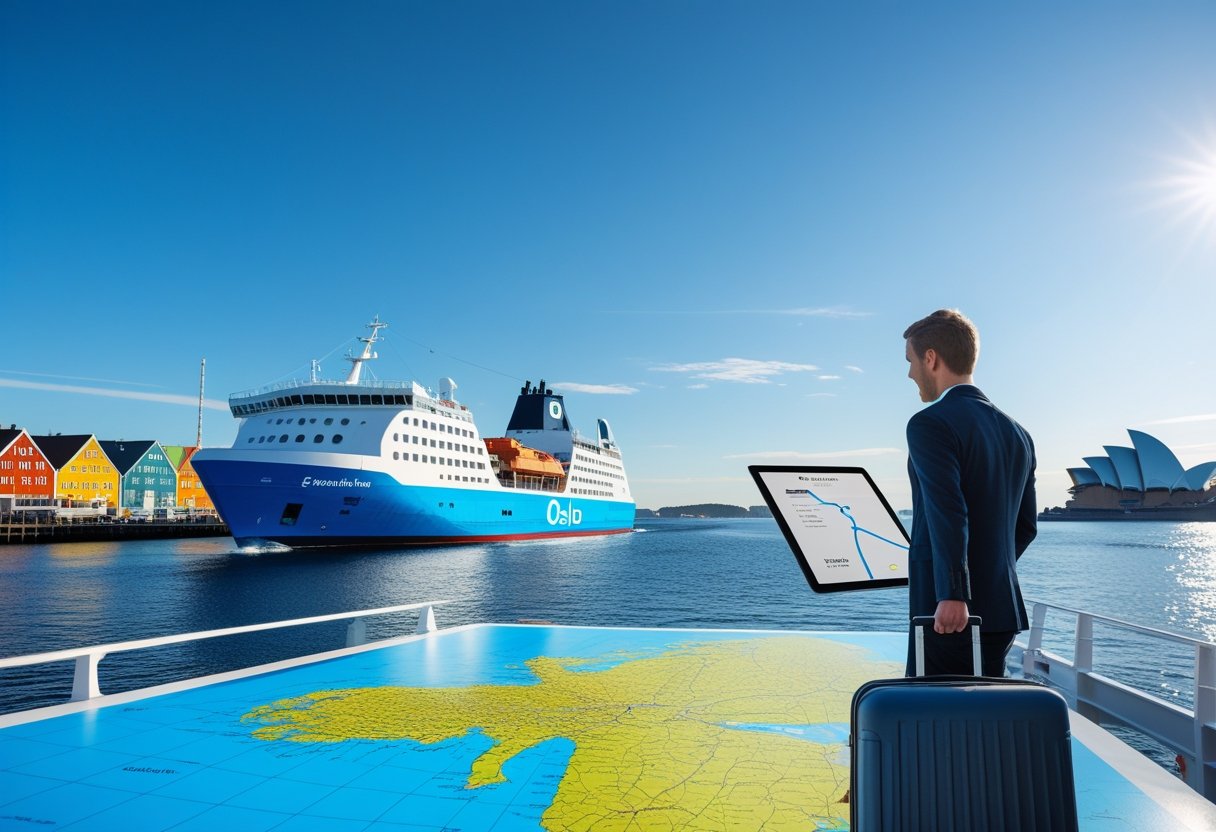
Those who prefer scenic routes often choose the train, which passes through southern Sweden and provides a comfortable travel experience with one easy change, usually in Gothenburg. For travelers not pressed for time, taking an overnight ferry can offer a relaxing journey with onboard amenities.
Each mode of transportation suits different budgets and travel styles, making it easy to find the best way to travel between these two Scandinavian capitals. Whether speed, comfort, or cost is most important, there are practical choices for all types of travelers. Read on to explore all the details.
,
Overview of Travel Options from Copenhagen to Oslo
Travel between Copenhagen and Oslo can be done via several modes, each with different travel times, costs, and convenience levels. Options include plane, train, bus, car, and ferry. Some routes pass through Malmö, Sweden, offering additional connectivity.
Comparing Travel Modes
Flying is the fastest option, typically taking about 1 hour of flight time but around 3 to 4 hours total including airport procedures. Budget airlines often offer competitive prices.
The train route usually stops in Malmö, connecting Denmark and Sweden before heading north to Norway. The train journey takes roughly 8 hours, providing scenic views but longer travel time.
Buses offer a cost-effective option and often include stops in Malmö and other towns. Some services combine bus and ferry across the sea, extending travel time but giving a unique experience.
Driving allows for flexibility in stops and routes. The distance is approximately 480 kilometers (299 miles), crossing into Sweden via Malmö. Combined car ferry options can speed up certain sections.
Factors to Consider When Choosing
Travelers should weigh time versus cost carefully. Flying saves time but can be more expensive, especially when booking close to the travel date.
Comfort and convenience also matter. Trains and buses provide direct city-center to city-center service without the delays and transfers at airports.
Weather can affect travel, especially ferry crossings or winter driving conditions. Seasonal schedules may impact ferry and bus availability.
Luggage allowances and personal preferences for scenic views or quick transit should influence the choice. Group size also matters; driving can be more economical for multiple passengers.
Travel Time and Cost Estimates
- Plane: About 1 hour flight; total time 3-4 hours including transfers; costs start around $64.
- Train: 7-8 hours total; tickets range from $70 to $120 depending on class and advance booking.
- Bus: 8-9 hours with possible ferry; cheapest fares approximately $40 to $60.
- Car & Ferry: Variable time, generally 6-7 hours depending on ferry schedules; fuel and ferry fees apply.
Prices fluctuate with season and booking time, so early planning often secures better deals.
More details on each option and ticket booking can be found on Rome2Rio or Omio.
,
Flying from Copenhagen to Oslo
Traveling by air between Copenhagen and Oslo is a practical and efficient option. It involves well-serviced airports, frequent flights, and convenient transport options to and from the terminals. Booking strategies and timing also affect cost and availability.
Airlines and Airports
Flights depart primarily from Copenhagen Kastrup Airport (CPH), the main international hub in Denmark. The destination is Oslo Gardermoen Airport (OSL), Norway’s largest airport located about 35 kilometers northeast of the city center.
Major carriers on this route include SAS (Scandinavian Airlines), Norwegian Air Shuttle, and Widerøe. SAS offers the most frequent flights and comprehensive service through its Star Alliance network. Norwegian Air Shuttle is a popular low-cost choice with regular departures. Widerøe sometimes provides regional connections.
The route is served hourly, making it flexible for travelers to select times that suit business or leisure plans.
Flight Duration and Frequency
Flight time from Copenhagen to Oslo Gardermoen typically takes about 1 hour and 10 minutes nonstop. This direct flight duration remains consistent across airlines, allowing travelers to plan connections and schedules accurately.
Flights operate multiple times daily, generally every hour during peak travel periods. This high frequency helps accommodate different arrival and departure preferences without long waits.
Airlines usually schedule the first flights early in the morning and the last flights in the late evening. This broad time window suits early business meetings or late leisure arrivals.
Booking Tips and Best Times
Booking flights well in advance often secures lower fares and preferred flight times. Tickets can fluctuate based on season, demand, and how close the booking date is to the departure.
Travelers should monitor prices for mid-week flights, as these commonly cost less than weekend departures. Booking flights outside busy holidays or summer peak periods also helps reduce costs.
Using airline promotions, loyalty programs, or third-party booking platforms can further improve pricing. Flexibility with travel dates and times usually yields better deals on this popular Scandinavian route.
Getting to and From the Airports
At Copenhagen Kastrup Airport, passengers benefit from excellent public transport links. The airport is directly connected to the Copenhagen city center by the M2 Metro line, which takes about 15 minutes. Numerous buses and taxis also serve the airport.
Oslo Gardermoen Airport connects to the city center via the Airport Express Train (Flytoget), which takes roughly 20 minutes. Regular regional trains and buses provide alternative transport options. Taxis and car rental services are readily available at both airports.
Both airports feature modern facilities that facilitate smooth transfers and efficient travel experiences between cities.
,
Taking the Train from Copenhagen to Oslo
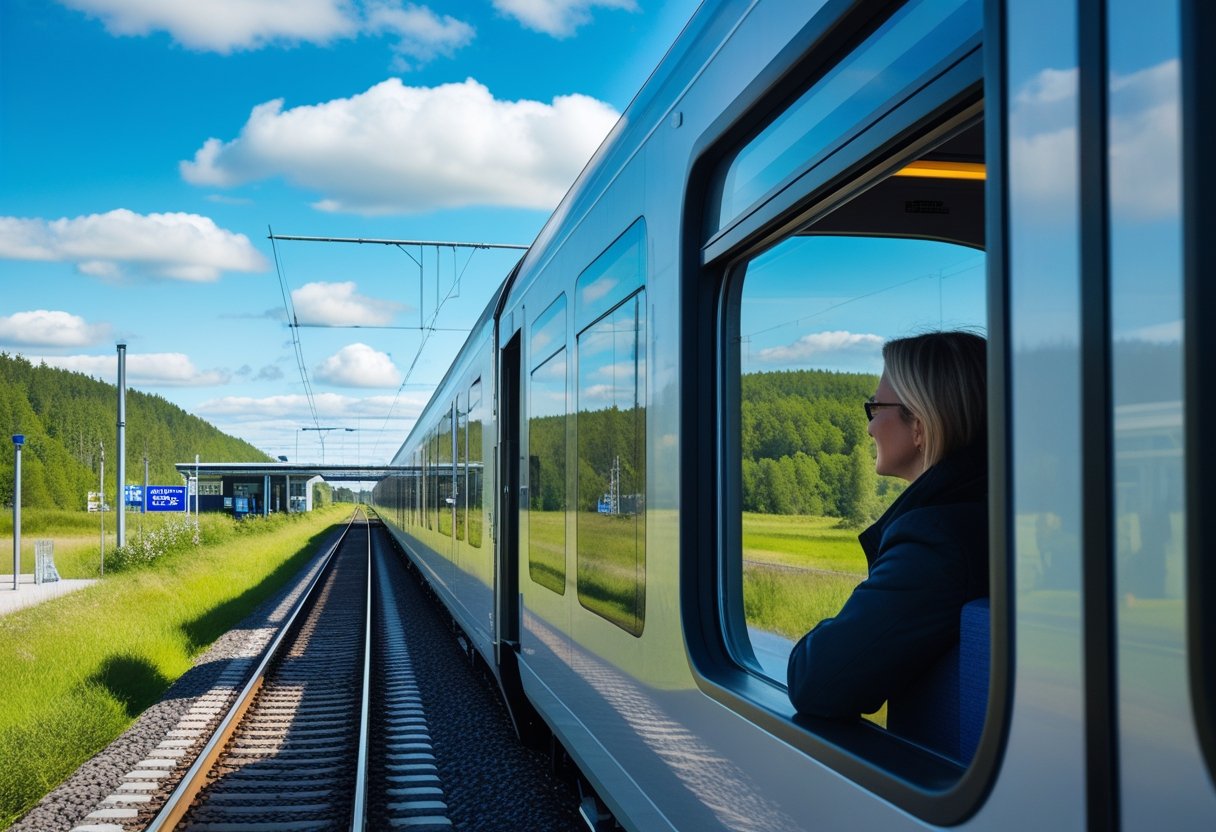
Traveling by train from Copenhagen to Oslo involves a journey through southern Sweden, with key stops and changes that connect Denmark and Norway. The route offers several transfer points and ticket options, along with a comfortable onboard experience.
Main Routes and Stopovers
The most common train route from Copenhagen to Oslo covers about 482 kilometers and takes roughly 7 to 8 hours. The journey passes through Malmö in southern Sweden and continues northwards towards Gothenburg, where the main train change occurs.
Travelers board an initial train from Copenhagen Central Station to Malmö, crossing the Øresund Bridge. From Malmö, the route proceeds to Gothenburg, a major hub offering connections northwards to Oslo. This path allows passengers to experience diverse landscapes across Denmark, Sweden, and Norway.
Alternatives exist but involve more transfers or longer travel times. The direct train option with one transfer in Gothenburg is generally the preferred choice for efficiency.
Transfers and Connections in Malmö and Gothenburg
Malmö serves as the entry point into Sweden, with seamless train connections across the Øresund Bridge from Copenhagen. The transfer here, if necessary, is usually brief, as Danish and Swedish train schedules are coordinated.
Gothenburg is the key junction for the second leg toward Oslo. Passengers switch trains here, connecting from SJ regional or intercity services to Norwegian trains heading into Oslo. Transfers in Gothenburg typically involve platform changes within the same station, minimizing wait time.
It is important to check timetables closely since train schedules can vary by day. Early morning departures from Copenhagen begin around 05:30, and the last connections appear in the evening.
Booking Train Tickets
Tickets for this route can be purchased online via several platforms, often starting from approximately €34. Prices vary depending on booking time and train type, with advance reservations usually offering the best fares.
Passengers should consider booking tickets for each leg—Copenhagen to Gothenburg and Gothenburg to Oslo—if the trains are run by different operators. Some websites allow through-ticketing for convenience.
It’s advisable to book early during peak travel periods to secure seats. Tickets can be printed, downloaded to mobile devices, or collected at the station before departure.
Onboard Comfort and Scenic Highlights
Trains on the Copenhagen to Oslo route offer comfortable seating, with standard and first-class options. Facilities typically include free Wi-Fi, power outlets, and onboard bistros serving snacks and drinks.
Passengers will enjoy scenic views of the Øresund Strait crossing between Copenhagen and Malmö. The journey through southern Sweden showcases rolling hills, forests, and lakes, especially visible after leaving Gothenburg.
Travelers can expect smooth rides with ample space to relax or work during the journey. The combination of comfort and landscape makes the train a practical choice between the two capitals.
For more detailed schedules and ticket booking, refer to dedicated train guides like Norway Trains.
,
Traveling by Ferry and Other Scenic Alternatives
Travelers choosing ferry or other scenic options between Copenhagen and Oslo will find varied schedules, comfortable cabin choices, and unique views of the Oslo Fjord. These options also include self-drive and bus travel that balance flexibility with natural beauty.
Ferry Operators and Timetables
The main ferry operator on the Copenhagen to Oslo route is DFDS Seaways. It runs an overnight ferry service daily, departing Copenhagen in the late afternoon and arriving in Oslo the next morning.
The crossing takes about 17 hours. The ferry accommodates over 1,700 passengers, providing reliable service year-round. Other operators, such as Go Nordic Cruiseline, also operate on this route but with fewer departures.
Booking in advance is important during peak travel seasons. Timetables are consistent, making it easier to plan around a lengthy but relaxing journey that replaces air or rail travel. More detailed timing information is available on Nomad Not Mad.
Cabin Options Including Sea View Cabins
Cabin choices range from basic inside cabins to deluxe sea view cabins with large windows overlooking the water. Sea view cabins offer direct views of the Oslo Fjord, making the night crossing visually rewarding.
Cabins typically include beds, private bathrooms, and climate control, with higher-tier options providing extra space and amenities like TV and seating areas. Passengers can choose based on budget and preference for comfort during the overnight journey.
Booking a sea view cabin adds a scenic dimension that enhances the ferry experience and allows passengers to wake up to the fjord’s natural beauty during docking in Oslo.
Experience of Crossing the Oslo Fjord
The ferry crossing provides passengers with panoramic views of the Baltic Sea and Oslo Fjord. This fjord is known for its deep blue waters and surrounding rocky islands.
As the ferry approaches Oslo, travelers witness the transition from open sea to the fjord’s narrow, scenic waters. The journey becomes a live sightseeing experience, especially along the coastline dotted with quaint villages and nature spots.
Dining options on board often feature local seafood, complementing the scenic route. The ferry ride combines transportation and a mini-cruise with time to relax and enjoy Norway’s coastal landscape.
Self-Drive and Bus Travel
Travelers interested in flexibility often opt to drive themselves or take long-distance buses between Copenhagen and Oslo. The driving route covers about 600 kilometers via the E20 and E6 highways and can include taking a shorter ferry or bridge crossing en route.
Bus lines provide economical alternatives with regular direct services. These buses run overnight or during the day, typically taking between 8 and 11 hours depending on stops.
Driving offers the opportunity to explore small towns and nature along the way at the traveler’s own pace. Bus travel, meanwhile, offers affordability and convenience without the need to navigate.
For more on options like buses and self-drive trips, see Scandinavia Standard.
,
Frequently Asked Questions
Travel between Copenhagen and Oslo offers multiple options that vary in speed, comfort, and scenery. Travelers can choose flights, trains, ferries, or driving routes based on their preferences for time, cost, and experience.
What is the fastest way to travel from Copenhagen to Oslo?
The quickest way is by plane. Direct flights take about 1 hour, making air travel the fastest option. Several airlines operate this route with multiple daily departures.
What are the options for taking a ferry between Copenhagen and Oslo?
Ferries run regularly between Copenhagen and Oslo, providing a comfortable travel experience. Passengers can enjoy onboard amenities, and the trip typically lasts around 17 hours.
Can you recommend the scenic train route from Copenhagen to Oslo?
The train route involves traveling from Copenhagen to Gothenburg, Sweden, and then connecting to Oslo. This route offers scenic views through Sweden’s countryside and is ideal for travelers who enjoy rail journeys.
How long does a flight from Copenhagen to Oslo typically take?
Flights normally last about 1 hour. This excludes time needed for airport security, boarding, and transfers, which should be considered in total travel time.
Is there an overnight ferry service from Copenhagen to Oslo?
Yes, there is an overnight ferry option. It allows travelers to sleep during the journey and arrive in Oslo in the morning, combining travel and accommodation.
What should I expect in terms of driving distance and time when going from Copenhagen to Oslo by car?
The driving distance is approximately 600 kilometers (about 373 miles). The trip takes around 6 to 7 hours, depending on traffic and border crossing conditions.