
Copenhagen is known for its rich and diverse food culture that blends traditional Danish cuisine with innovative New Nordic influences. Visitors can expect to experience a range of flavors from historic dishes like smørrebrød—open-faced rye bread sandwiches—to modern interpretations crafted by award-winning chefs. Famous food in Copenhagen offers a balance of fresh, local ingredients and culinary craftsmanship that defines the city’s dining scene.
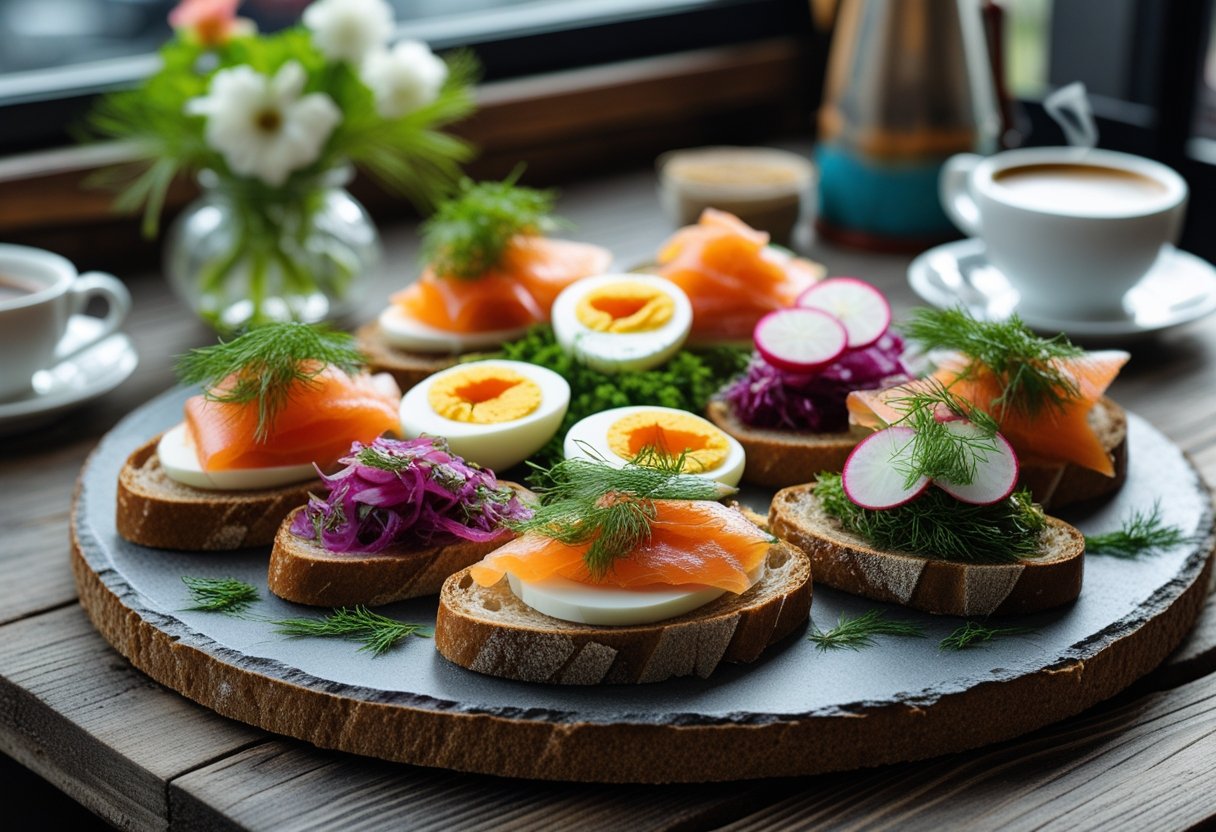
The city’s culinary reputation extends beyond its fine dining establishments to include vibrant street food and classic Danish pastries. Popular staples also include pickled herring, frikadeller (meatballs), and rich rye breads, which showcase the simplicity and freshness typical of Danish cooking. Exploring these foods provides insight into Denmark’s cultural heritage and evolving tastes.
For those seeking a true taste of Copenhagen, understanding its local food favorites is essential. From hearty mains to delicate desserts and beverages, Danish cuisine in Copenhagen reflects a strong connection to its natural surroundings and a commitment to sustainable practices. This makes food in Copenhagen not just a meal, but an experience rooted in place and tradition. Learn more about food in Copenhagen.
,
Most Famous Foods in Copenhagen
Copenhagen offers a distinctive culinary experience highlighted by several iconic dishes. These range from layered rye bread creations to hearty meat specialties and fresh seafood, each reflecting Danish culture and tradition. Visitors can expect bold flavors combined with simple, quality ingredients.
Smørrebrød and Open-Faced Sandwiches
Smørrebrød is a staple of Danish cuisine, consisting of open-faced sandwiches served on dense rye bread, known locally as rugbrød. These sandwiches are layered with a variety of toppings such as pickled herring, cold cuts, liver pâté, or smoked salmon. Each combination is carefully arranged for a balance of flavors and textures.
Traditional smørrebrød often includes garnishes like fresh herbs, onions, or remoulade sauce. It is commonly eaten for lunch and can range from simple to elaborate. Its cultural importance and variety make it a must-try dish when exploring what to eat in Copenhagen 25 traditional foods to eat in Copenhagen.
Danish Hot Dogs and Pølsevogn
The Danish hot dog is a popular street food and a core part of Copenhagen’s fast-eating culture. Usually served with mustard, ketchup, crispy fried onions, and pickled cucumber slices, it offers a quick, flavorful bite. The sausages are typically pork-based, nestled in a soft bun.
Pølsevogn are the traditional hot dog stands found throughout the city, known for convenience and authenticity. They provide an accessible way for locals and tourists alike to experience Danish food on the go. These stands often serve several variants, including those topped with remoulade or even fried eggs, adding variety to this classic snack.
Frikadeller and Meat-Based Specialties
Frikadeller, or Danish meatballs, are another word-known traditional dish. Made from ground pork or a pork-beef mix, these pan-fried meatballs have a moist texture and mild seasoning, commonly served with potatoes and gravy or parsley sauce.
Other meat-based specialties in Copenhagen include stegt flæsk med persillesovs, roasted pork belly with parsley sauce, a national favorite due to its crispy texture and rich flavor. These dishes highlight the Danish preference for simple but hearty meals rooted in local ingredients and tradition.
Popular Seafood Dishes
Seafood takes a front seat in Copenhagen’s food scene given Denmark’s long coastline. Pickled herring is among the most famous preparations, often served on smørrebrød or as part of a traditional Danish breakfast. It is marinated with spices, vinegar, and sugar to create a balance of sour and sweet.
Other popular options include smoked salmon and plaice, which reflect the city’s appreciation for fresh fish. Denmark’s coastal access also means that fish markets and restaurants provide daily fresh catches, emphasizing sustainability and seasonality in Danish food choices best authentic restaurants in Copenhagen.
,
Legendary Bakeries and Pastries
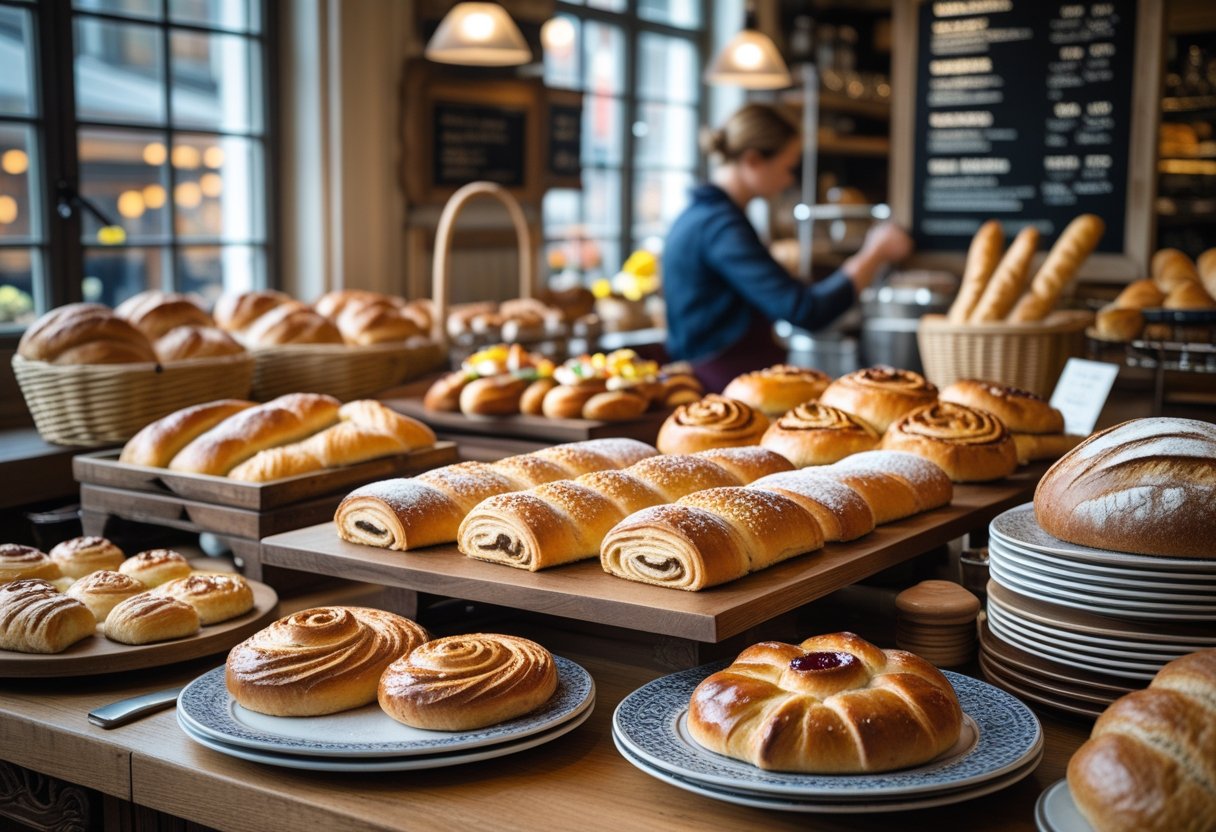
Copenhagen’s bakery scene is a blend of time-honored tradition and modern innovation. It highlights pastries that balance rich flavors and delicate textures alongside breads crafted with skill and precision. The city offers a variety of bakeries known for their exceptional quality and distinct offerings.
Danish Pastries and Sweet Treats
Danish pastries are a cornerstone of Copenhagen’s culinary identity. Known locally as Wienerbrød, these pastries are layered, flaky, and often filled with fruit, custard, or marzipan. Popular varieties include spandauer (pastry with custard and jam) and tebirkes (poppy seed topped).
Sweet treats like æbleskiver—round pancake balls usually dusted with powdered sugar—and rødgrød med fløde, a red berry compote with cream, also feature in the city’s dessert repertoire. Another chilled favorite is koldskål, a buttermilk dessert often paired with small biscuits called kammerjunker. These items showcase Denmark’s simple but flavorful approach to sweets.
Sourdough and Artisan Breads
Sourdough bread has gained prominence in Copenhagen’s bakeries, reflecting a shift toward artisanal baking methods. This bread is valued for its natural fermentation that enriches flavor and texture. Bakers use organic grains and long fermentation processes to produce crusty, tangy loaves with complex profiles.
Artisan breads in the city range from dense rye loaves to light multigrain varieties. They often accompany meals or serve as a base for open-faced smørrebrød sandwiches. This dedication to craftsmanship elevates bread beyond mere staple, making it central to Danish dining.
Notable Bakeries in Copenhagen
Several bakeries stand out for their excellence. Juno the Bakery is praised for its modern take on traditional pastries and breads, using quality ingredients and careful technique. Hart Bageri focuses on natural, organic elements, producing exemplary sourdough and Danish pastries with a rustic finish.
Other noteworthy names include Cakery Copenhagen known for elaborate cakes, and smaller neighborhood shops that maintain authenticity. Together, these bakeries contribute to Copenhagen’s reputation as a city where quality baking is a serious pursuit. For details on the top spots, see the best bakeries and pastries in Copenhagen.
,
Modern and Iconic Dining Experiences
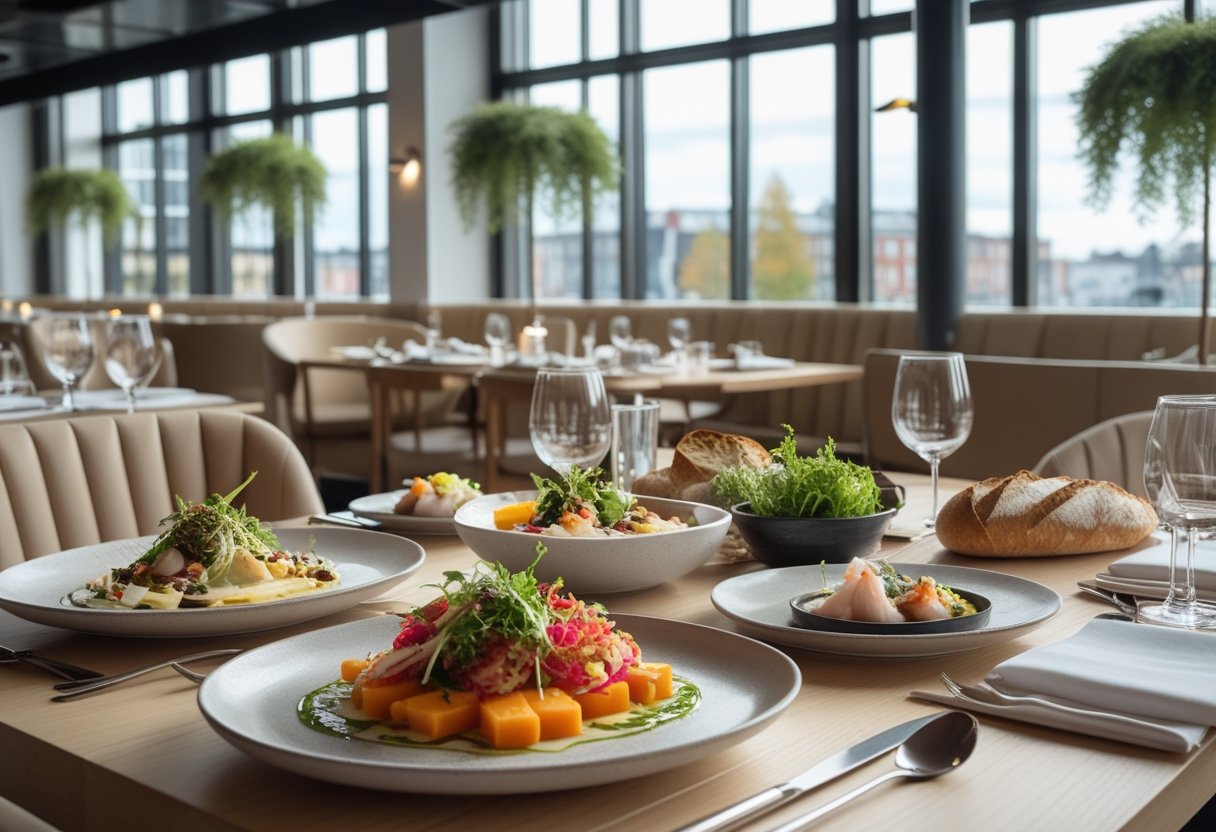
Copenhagen offers a distinctive culinary scene combining innovative techniques with traditional flavors. It features acclaimed restaurants that shape New Nordic cuisine alongside vibrant food halls that showcase local and international tastes. This blend of tradition and innovation defines much of the city’s food culture today.
New Nordic Cuisine in Copenhagen
New Nordic cuisine emphasizes local, seasonal ingredients with simple yet inventive preparation. It focuses on purity and freshness, using foraged produce, seafood, and traditional Danish staples like rye and root vegetables.
Noma remains the flagship of this movement. Known for pushing boundaries, it highlights fermentation and unusual combinations while respecting Nordic heritage. Other notable venues practicing this approach include Restaurant Palægade, which serves modern dishes rooted in Danish tradition with approachable pricing.
The cuisine aims to reconnect food with nature, encouraging sustainable sourcing and creativity. Diners experience artful plating and bold flavors driven by Nordic terroir, making Copenhagen a key destination for this style.
World-Renowned Restaurants
Copenhagen is home to several internationally recognized restaurants beyond Noma. These places set high standards for fine dining, showcasing Danish innovation on the global stage.
Alongside Noma, restaurants like Geranium and Kadeau receive acclaim for their meticulous technique and Nordic-inspired menus. These establishments often feature tasting menus that change seasonally, highlighting the best local ingredients.
Classic eateries such as Schønnemann remain iconic for traditional Danish fare, especially smørrebrød, maintaining historical culinary roots while attracting both locals and tourists.
Contemporary Food Halls and Markets
Copenhagen’s food halls and markets offer casual yet high-quality dining experiences. Torvehallerne is a prime example with over 60 stands selling fresh produce, gourmet snacks, and ready-to-eat meals. It blends Danish specialties with international flavors, making it a hub for food discovery.
Tivoli Food Hall offers a more compact but equally diverse selection, focusing on local ingredients and artisanal preparations. These venues provide an accessible way to sample Copenhagen’s food culture without the formality of sit-down restaurants.
Together, these food halls serve as social spaces where tradition meets modern food trends, accommodating a broad range of tastes and budgets.
,
Local Drinks, Snacks, and Unique Flavors
Copenhagen offers distinct drinks and snacks that reflect Danish culinary traditions. Its unique flavors range from strong spirits to sweet confections, often paired with classic savory accompaniments for a complete tasting experience.
Akvavit and Traditional Beverages
Akvavit is a signature Danish spirit, flavored with herbs such as caraway, dill, and fennel. It is typically served chilled in small glasses and enjoyed during meals or festive occasions. Danes often pair akvavit with rich, savory dishes to complement their flavors.
Another traditional beverage includes gløgg, a spiced warm mulled wine consumed especially in winter. Local beers and snaps are also popular, offering diverse flavor profiles ranging from light and crisp to dark and robust. These drinks contribute to Copenhagen’s vibrant dining culture and traditional food pairings.
Snacks and Sides
Danish snacks often accompany main dishes or serve as standalone treats. Remoulade sauce, a tangy condiment made from mayonnaise, mustard, pickles, and herbs, frequently accompanies open-faced sandwiches and fried foods.
Flæskesteg, or roasted pork with crackling, is a classic Danish dish often served with pickled red cabbage and rye bread, making it a staple in local snack and meal culture. Pickled herring and rye crispbread are other popular sides offering salty and tangy tastes that balance stronger flavors.
Famous Confections
Copenhagen’s sweet options include lakrids by Bülow, a famous brand known for high-quality Danish licorice. Their products range from salty to sweet, often coated in chocolate, and are highly regarded by both locals and tourists.
Danish pastries, known as wienerbrød, are also prominent, offering layers of buttery, flaky dough with various fillings like custard or fruit. These sweets highlight the city’s balance of traditional and innovative flavors enjoyed across cafes and markets.
For more on what to eat in Copenhagen, see the detailed guide to 25 traditional foods in Copenhagen.
,
Frequently Asked Questions
Copenhagen offers a range of dishes rooted in tradition alongside vibrant street food scenes. Visitors can find both iconic meals and lesser-known spots serving authentic Danish flavors. Several restaurants stand out for their signature offerings and budget-friendly local eats.
What are the top traditional dishes to try in Copenhagen?
Smørrebrød, open-faced rye bread sandwiches with various toppings, is a must-try. Other traditional dishes include frikadeller (Danish meatballs), flæskesteg (roast pork with crackling), and pickled herring.
Which street food options are a must-try in Copenhagen?
Street food enthusiasts should visit Torvehallerne and Reffen markets. Here, they can sample fresh fish sandwiches, Danish hot dogs, and seasonal local delicacies prepared by innovative vendors.
What is considered the national dish of Denmark commonly found in Copenhagen?
Roast pork with crackling, known as flæskesteg, is widely regarded as the national dish. It is often served with red cabbage and caramelized potatoes.
Can you list some hidden culinary gems in Copenhagen?
Smaller, less touristy places like local bakeries and family-run cafes offer excellent smørrebrød and traditional pastries. These spots provide authentic tastes away from the main food markets.
What signature dishes should visitors not miss in Copenhagen restaurants?
Besides classic smørrebrød, restaurants often highlight New Nordic cuisine with seasonal ingredients, including cured salmon, wild game, and creative vegetable dishes inspired by local produce.
What are the best budget-friendly eateries in Copenhagen for local cuisine?
Food halls such as Torvehallerne feature affordable options. Additionally, small cafes and street stalls throughout the city serve traditional Danish foods at reasonable prices without compromising quality.