
Copenhagen, the vibrant capital of Denmark, offers a unique blend of history, culture, and modernity. Traveling here can be a delightful experience when equipped with the right tips and knowledge. From navigating the efficient public transport system to discovering the best local cuisines, visitors can enhance their trip significantly.
Understanding the best times to visit and what to pack can also make a difference in enjoying this picturesque city. For example, traveling between March and May or during the summer months ensures pleasant weather and plenty of activities. Those who plan ahead will find that Copenhagen is not only accessible but also full of surprises waiting to be explored.
With its rich heritage and contemporary charm, Copenhagen has something to offer everyone. Making informed decisions about accommodations, attractions, and dining will lead to a fulfilling travel experience in this captivating city.
,
Essential Travel Planning for Copenhagen
Planning a trip to Copenhagen involves understanding the best times to visit, how to arrive in the city, and navigating its transportation system. These factors are crucial for an enjoyable and efficient travel experience.
Best Time to Visit
The ideal time to explore Copenhagen is during late spring (May to June) and early autumn (September to October). These months offer mild weather and fewer crowds.
Summer months tend to attract tourists, leading to busy attractions. In contrast, winter provides a unique charm with festive holiday markets, though temperatures can be quite low. Those interested in experiencing the Danish concept of hygge may find winter evenings especially cozy in local cafes.
How to Get to Copenhagen
Copenhagen can be easily reached via the Copenhagen Airport, one of Scandinavia’s largest. It is well-connected to numerous international destinations.
Once at the airport, travelers can access the city center quickly via the metro, which operates frequently. The journey takes about 15-20 minutes. For those interested in comfort, taxi services are also available, though they are more expensive.
Getting Around the City
Copenhagen boasts an efficient public transportation system comprising buses, trains, and the metro. The Copenhagen Card is a popular option, offering unlimited travel and access to several attractions.
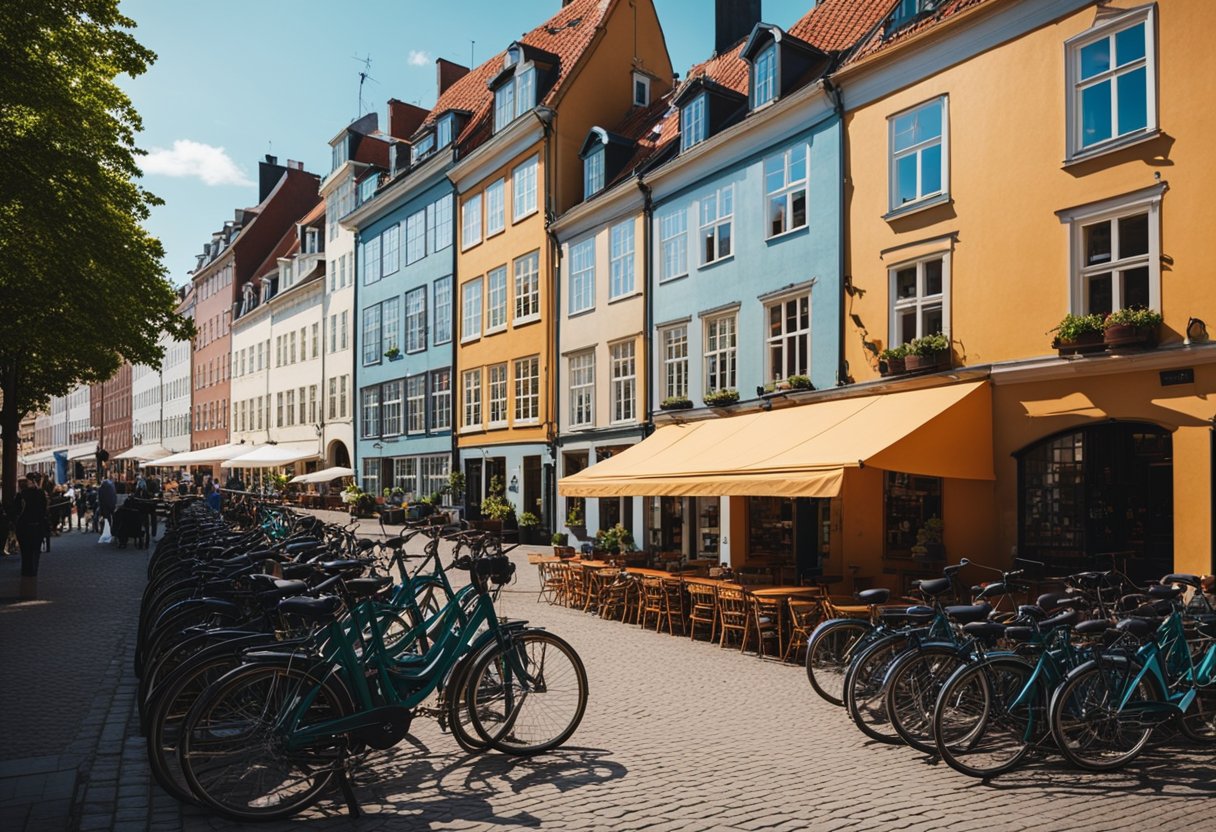
The city is also very pedestrian-friendly. A walking tour is a perfect way to discover hidden gems and iconic sights. Biking is another excellent way to explore, as the city has extensive bike lanes.
For a unique experience, a canal tour or boat tour can provide stunning views of the city’s architecture from the water. This is a relaxing way to appreciate landmarks like Nyhavn and the Little Mermaid while enjoying the gentle breeze.
No matter how one chooses to explore, Copenhagen offers diverse options for easy navigation and a memorable experience.
,
Top Sights and Attractions
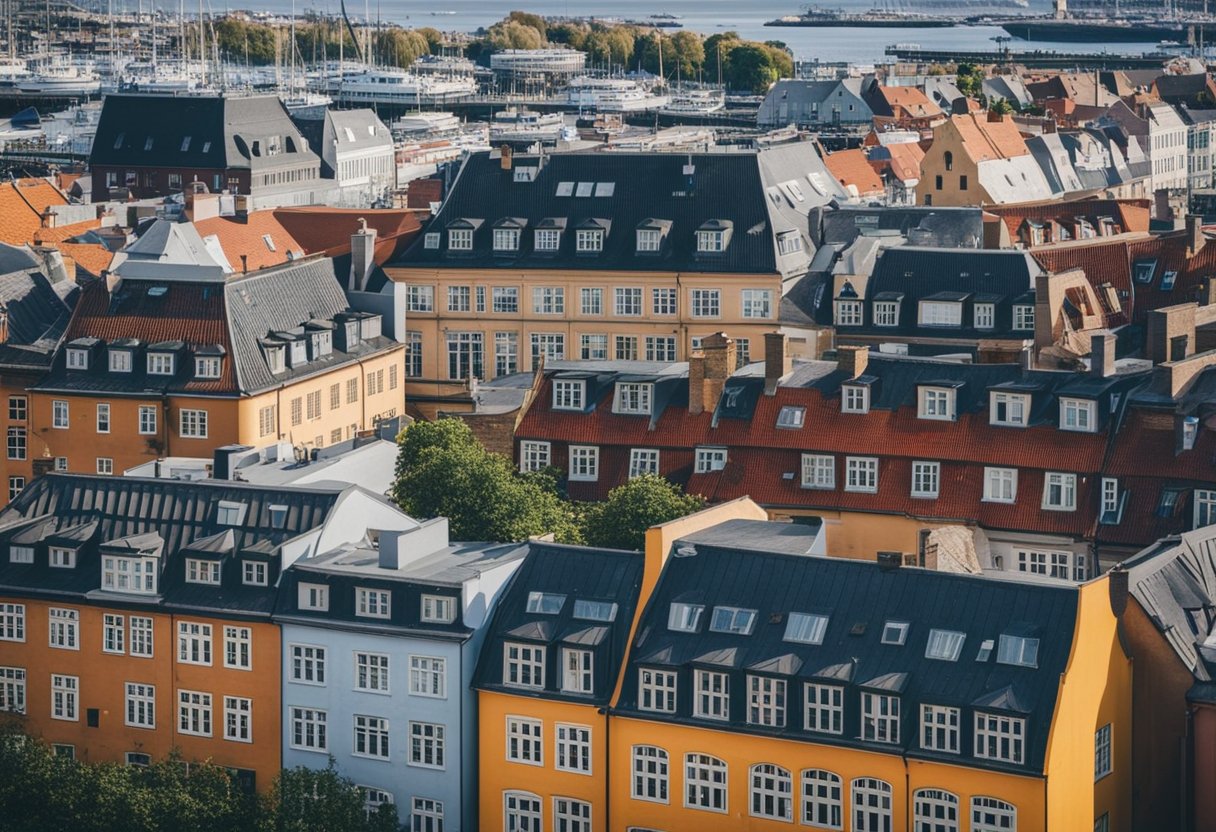
Copenhagen offers a blend of historic landmarks, charming neighborhoods, and rich cultural experiences. Visitors can explore iconic sites that reflect the city’s history, enjoy local districts with unique character, and immerse themselves in vibrant cultural offerings.
Iconic Landmarks
Copenhagen is home to many iconic landmarks. Nyhavn is a must-visit, characterized by its colorful 17th-century townhouses and lively atmosphere. Just a short stroll away lies Tivoli Gardens, one of the world’s oldest amusement parks, offering thrilling rides and beautiful gardens.
Rosenborg Castle houses the Crown Jewels, showcasing royal regalia in a stunning setting. The Church of Our Saviour features an impressive spiral tower, providing panoramic views of the city. Christiansborg Palace is notable as the seat of the Danish Parliament, while the elegant Amalienborg Palace is the royal family’s residence.
Additional noteworthy sites include the historic Round Tower and the Copenhagen Opera House, both reflecting the city’s architectural splendor.
Neighborhoods with Local Charm
Copenhagen’s neighborhoods each possess their own unique charm. Nørrebro is known for its diverse community and vibrant street life. It boasts trendy shops and cafes, reflecting the city’s contemporary culture.
Vesterbro is famous for its hip atmosphere, with a range of bars, restaurants, and cultural venues, including the Copenhagen Meatpacking District.
Christianshavn offers a blend of historic canals and modern dining options, providing a perfect spot to relax and enjoy the scenery. Additionally, Freetown Christiania, an intentional community, invites visitors to explore its artistic and alternative lifestyle.
Cultural Experiences
Copenhagen thrives on its rich culture. The National Museum offers insights into Denmark’s history and heritage, housing artifacts from the Viking Age to modern times.
Visitors can experience local traditions at various events throughout the year. Exploring the city’s extensive design scene, including Danish modern furniture, is also essential.
Additionally, the theatrical performances at the Royal Danish Theatre provide a glimpse into Denmark’s artistic expression. Festivals celebrating Danish authors like Hans Christian Andersen further highlight the city’s literary prestige.
,
Food, Drink, and Nightlife
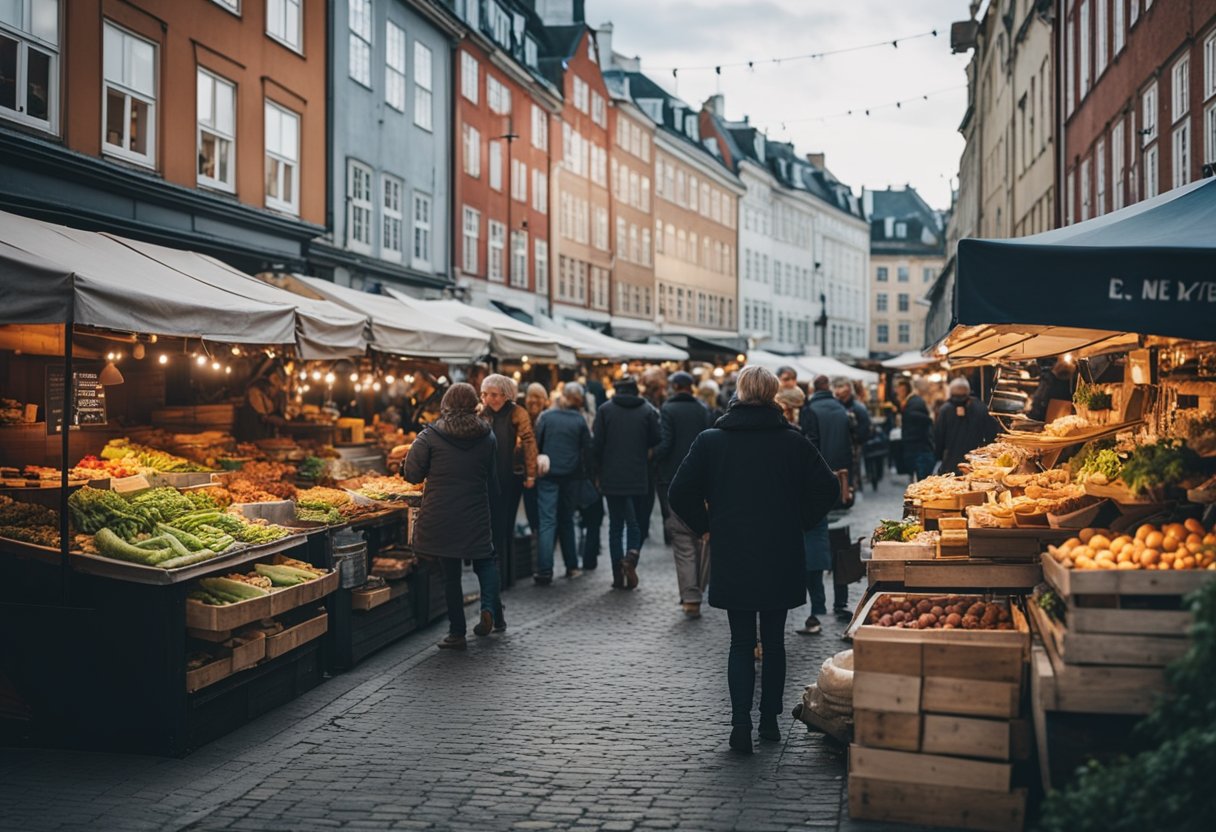
Copenhagen offers a vibrant culinary landscape and a dynamic nightlife scene. From traditional dishes to modern gastronomic experiences, food lovers will find plenty to enjoy. The city’s nightlife complements its dining culture with diverse bars and clubs that cater to various tastes.
Copenhagen’s Food Scene
Copenhagen’s food scene is a blend of tradition and innovation. A must-try dish is smørrebrød, an open-faced sandwich that showcases local ingredients like herring, salmon, and pickled vegetables. Several restaurants specialize in this classic, offering unique toppings that reflect seasonal availability.
In addition to traditional fare, the city boasts a plethora of modern eateries and cafes. Places like Noma have put Copenhagen on the gastronomic map, emphasizing local and foraged ingredients. Casual spots like bakeries and coffee shops also thrive, providing locals and visitors with freshly baked pastries, like Danish pastries, and quality brews to savor between meals.
Where to Try Carlsberg Beer
Carlsberg beer is synonymous with Copenhagen. The Carlsberg Brewery, established in 1847, offers brewery tours that include tastings of their renowned lagers. Visitors can learn about the brewing process and the history behind this iconic brand.
In addition to the brewery, local bars serve a variety of Carlsberg products. Many establishments also offer beer pairings with dishes, enhancing the dining experience. For a truly authentic beverage experience, trying a cold Carlsberg in a waterfront bar is highly recommended.
Nightlife Hotspots
Copenhagen’s nightlife ranges from laid-back bars to lively clubs. The Vesterbro district is known for its vibrant bars and live music venues, making it a popular spot for evening outings.
For those seeking a club atmosphere, areas like Nørrebro feature energetic dance clubs where various genres of music are played. Many venues host themed nights or local DJs, contributing to the city’s eclectic vibe.
Additionally, some bars offer craft cocktails and unique local brews, allowing patrons to explore Denmark’s burgeoning mixology scene. Whether it’s a chill evening at a bar or an energetic night of dancing, Copenhagen’s nightlife caters to every preference.
,
Practical Tips and Day Trips
Traveling in Copenhagen provides a blend of unique experiences, cultural insights, and beautiful excursions. Practical tips can make this journey smoother, while day trips offer an opportunity to explore nearby attractions, enhancing the overall experience.
Budgeting and Saving Money
Copenhagen can be pricey, but there are ways to save. Public transportation, including buses and the metro, is efficient and relatively affordable. A City Pass gives unlimited rides for a set period.
Dining can also be managed on a budget. Street food markets, like Reffen, offer delicious local flavors without breaking the bank. For accommodation, consider staying in hostels or budget hotels, especially in the Vesterbro district.
Shopping at local flea markets can yield unique finds and souvenirs at reasonable prices. Utilizing free attractions, such as parks and walking tours, helps stretch one’s budget further.
Safety and Local Etiquette
Copenhagen is generally safe for tourists, with low crime rates. Travelers should, however, remain vigilant, especially in crowded areas. It’s wise to keep valuables secure and avoid poorly lit streets at night.
Local etiquette is important. Danes appreciate punctuality and straightforward communication. Greeting people with a simple “Hej” shows respect. Tipping is not mandatory but is appreciated in restaurants and cafes.
Understanding bicycle culture is essential. Cyclists have the right of way, so pedestrians should be cautious when walking near bike paths.
Recommended Day Trips
Copenhagen serves as a great base for day trips. A popular option is Malmö, Sweden, which is just a train ride away via the Øresund Bridge. Visitors can explore Malmö’s historic architecture and lush parks.
Another option is the northern town of Helsingør, home to the impressive Kronborg Castle, known from Shakespeare’s Hamlet. It’s a scenic train ride that takes about 45 minutes.
The beautiful beaches at Klampenborg offer a quick getaway, particularly in summer. They provide sunbathing opportunities and seaside dining experiences, making them perfect for relaxation.
Shopping and Popular Streets
Strøget street is one of Europe’s longest pedestrian shopping streets, featuring international brands alongside local boutiques. Visitors can find everything from high-end fashion to unique Danish design shops.
Another recommended area is the Latin Quarter, where independent shops and quaint cafes provide a charming atmosphere. Nyhavn is also a great spot for purchasing souvenirs and enjoying the picturesque harbor views.
For an authentic shopping experience, try visiting the Torvehallerne food market. This marketplace showcases local produce and gourmet foods, perfect for fueling a day of exploration.