
Copenhagen offers a diverse culinary scene that goes beyond traditional Danish fare. The city is known for its innovative New Nordic cuisine, highlighted by Michelin-starred restaurants and vibrant local eateries. The best food in Copenhagen can be found at a mix of acclaimed fine dining spots like Kadeau and Jordnær, as well as popular casual venues such as Kødbyens Fiskebar and Goldfinch.
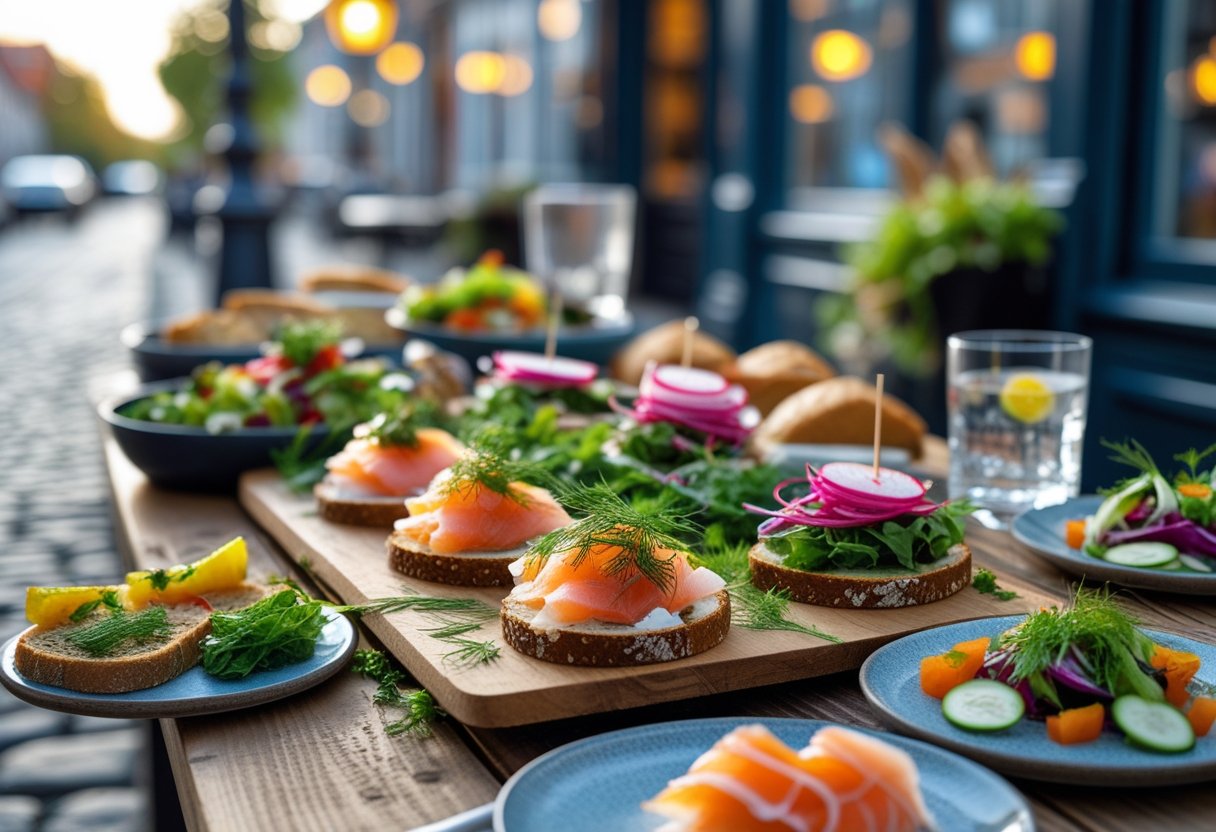
Visitors will discover a blend of fresh, seasonal ingredients with creative techniques, reflecting Copenhagen’s commitment to quality and sustainability. From inventive smørrebrød to upscale vegan menus, the city’s food culture appeals to a wide range of tastes. Exploring the best food in Copenhagen means experiencing both world-renowned chefs and authentic local flavors side by side. For detailed recommendations, see the list of best restaurants in Copenhagen.
,
Essential Restaurants in Copenhagen
Copenhagen’s dining scene includes groundbreaking chefs and distinctive approaches to Nordic flavors. These restaurants represent a range of styles from refined experimentation to authentic regional expressions, setting benchmarks for culinary excellence in the city.
Noma: Pioneer of New Nordic Cuisine
Noma, led by chef René Redzepi, is widely recognized for redefining Nordic cuisine through innovation and a hyper-local approach. Located on Refshaleøen, it emphasizes seasonal, foraged ingredients from the surrounding landscapes. The menu often evolves weekly, reflecting nature’s cycles and pushing boundaries in flavor and technique.
Noma’s influence extends beyond its dishes; it has shaped a generation of chefs and established Copenhagen as a global food destination. Its approach inspires other top restaurants in the city, including those by alumni like Rasmus Munk. Noma balances artistry with simplicity, offering courses that highlight pure taste and sustainability.
Alchemist: Experimental Fine Dining
Alchemist, founded by chef Rasmus Munk, delivers a multi-sensory dining experience unlike any other in Copenhagen. Located near Christianshavn, it challenges traditional structures with a constantly evolving tasting menu featuring more than 50 creative courses.
The restaurant combines avant-garde presentation, performance art, and provocative themes. It questions the nature of food and experience itself, serving dishes that engage all senses, often with surprising or confronting elements. Alchemist’s bold execution makes it a distinct choice for diners seeking innovation and conceptual depth.
Kadeau: Bornholm Flavors in Christianshavn
Kadeau brings Bornholm’s raw, rustic ingredients to the heart of Copenhagen, located in Christianshavn. The kitchen, led by Thorsten Schmidt, emphasizes purity and regional authenticity, showcasing local fish, wild herbs, and berries native to the island.
The tasting menus focus on seasonality and precise technique, blending simplicity with sophistication. Kadeau maintains a strong connection to its origins while offering a warm, approachable atmosphere. This balance defines its place among the best restaurants in Copenhagen, celebrating distinct Nordic terroir.
Jatak: Innovative Tasting Menu
Jatak offers a fresh perspective on Nordic cuisine through a compact and inventive tasting menu. Situated in a contemporary setting, it reflects the creativity of its chefs who prioritize hyper-seasonal ingredients and minimalistic plating to highlight natural flavors.
Jatak’s menu cycles rapidly to incorporate the freshest local produce, with techniques that enhance texture and taste without overwhelming components. The restaurant represents Copenhagen’s dynamic food scene where tradition meets innovation, appealing to diners who value both refinement and excitement in their meals.
,
Must-Try Traditional and Modern Danish Dishes
Copenhagen’s food scene offers distinct experiences with both classic and innovative flavors. It emphasizes fresh, seasonal ingredients and simple, clear preparations. Key highlights include hearty open-faced sandwiches, renowned pastries, and lunches built around locally sourced produce and artisanal bread.

Smørrebrød and Open-Faced Sandwiches
Smørrebrød is a cornerstone of Danish cuisine, consisting of slices of dense rye or sourdough bread topped with a variety of ingredients. It often features combinations such as pickled herring, cold cuts, liver pâté, or smoked salmon, paired with fresh herbs, crispy onions, and remoulade.
This dish balances texture and flavor through layers of creamy, crunchy, and savory elements. Establishments like La Banchina and local spots emphasize traditional craftsmanship using high-quality, seasonal toppings. Smørrebrød is not just a meal but a cultural experience and a staple when exploring Danish food tradition.
Danish Pastry and Bakeries
Danish pastry, known locally as wienerbrød, is famous worldwide but deserves attention in its home city. It’s characterized by flaky, buttery layers and often filled with marzipan, custard, or fruit preserves. Lille Bakery is a standout for blending traditional techniques with natural fermentation, resulting in airy, crisp pastries.
Bakeries in Copenhagen focus heavily on sourdough bread, which forms the base for many meals and sandwiches. The craftsmanship seen in classic pastries and breads combines Scandinavian simplicity with rich, delicate flavors, making the city a destination for bakery lovers.
Classic Danish Lunch and Local Ingredients
A typical Danish lunch features open-faced sandwiches but also highlights fresh, seasonal ingredients like herring, smoked fish, and locally cured meats. Rye or sourdough bread is foundational, providing a hearty base. This meal often includes pickled vegetables and a side of snaps or local beer.
Restaurants and cafés prioritize local produce and sustainable sourcing, making lunches both filling and flavorful. This approach to lunch reflects Denmark’s food values—freshness, balance, and respect for tradition—while embracing modern culinary techniques to elevate everyday dishes.
Explore more about these dishes and where to find them in Copenhagen’s vibrant food scene at Best Spots For Traditional Danish Cuisine In Copenhagen.
,
Trending Spots and Neighborhood Favorites

Copenhagen’s food scene shines in distinct areas, featuring modern bistros that emphasize wine pairings, seaside establishments with fresh seafood, and vibrant cultural districts rich in diverse flavors. These neighborhoods and venues offer a blend of innovation and tradition, attracting both locals and discerning visitors.
Modern Bistros and Wine Bars
Modern bistros in Copenhagen often focus on seasonal, locally sourced ingredients paired expertly with curated wine lists. Places like Goldfinch stand out for their refined yet approachable menus, combining New Nordic influences with international techniques. Wine bars such as Bar Vitrine provide an intimate setting, ideal for sampling natural wines and small plates.
These venues prioritize atmosphere as much as food quality, creating spaces where diners can relax and savor both food and drink.
The popularity of spots like Iluka reflects the city’s growing interest in minimalist, ingredient-driven tasting menus. This section of Copenhagen is marked by casual sophistication and a commitment to sustainability.
Seafood Highlights and Specialty Restaurants
Refshaleøen, a former industrial area, has become synonymous with innovative, high-quality seafood in Copenhagen. It features specialty restaurants focusing on fresh catches and traditional Danish preparations, often with modern flair. These include harborside venues offering oysters, fish platters, and shellfish, often paired with craft beers or local spirits.
Restaurants in this area balance rustic charm with culinary precision, appealing to those seeking fresh, coastal flavors.
Others, like Rosio Sanchez, add international touches, expanding the seafood experience beyond local traditions. The seafood offerings reflect Copenhagen’s connection to the sea and commitment to freshness and sustainability.
Cultural Food Districts
Copenhagen’s cultural food districts are diverse, often centered around neighborhoods with strong local identity and history. The Carlsberg district, for example, blends its rich brewery heritage with new dining concepts, hosting a range of eateries from casual cafés to innovative restaurants.
These areas thrive on diversity, offering everything from traditional Danish dishes such as smørrebrød to international street food.
Neighborhoods with active food markets and community dining, combined with creative chefs, make these districts important for experiencing authentic local culture through food. The blend of established heritage and new culinary ventures defines these lively food zones.
,
Copenhagen’s Culinary Innovators and Influences
Copenhagen’s food scene thrives on a combination of visionary chefs and the blending of global tastes with Nordic tradition. Pioneers drive innovation while multicultural influences enrich the city’s dining landscape, resulting in unique culinary expressions.
Iconic Chefs and Their Impact
Rasmus Kofoed stands as a monumental figure in Copenhagen’s culinary world. As the chef behind Geranium, his three-Michelin-star restaurant, Kofoed emphasizes precision, seasonality, and a modern interpretation of New Nordic cuisine. His work exemplifies a balance between artistry and simplicity.
Rasmus Munk, once Noma’s head chef, now leads Alchemist, a boundary-pushing experimental restaurant. Munk challenges traditional dining through immersive experiences that combine gastronomy with theater and art. His approach redefines what fine dining can entail in Copenhagen.
Thorsten Schmidt and Kristian Baumann contribute to the diversity in Copenhagen’s culinary innovation. Schmidt boasts a refined style that respects Nordic ingredients, while Baumann’s focus on fermentation and indigenous techniques advances the preservation of Denmark’s food heritage.
Fusion Flavors and International Influences
Copenhagen’s culinary identity is increasingly shaped by global flavors. Rosio Sanchez, a Mexican-born chef, integrates Latin American spices and techniques into the Nordic framework, reflecting the city’s growing embrace of multicultural influences.
Restaurants like Gaijin and Koan emphasize Asian fusion, combining Japanese, Korean, and other East Asian culinary traditions with local ingredients. This melding creates fresh, dynamic flavors that attract both locals and visitors seeking novel dining experiences.
This blend of influences signals Copenhagen’s evolution beyond solely Nordic cuisine. It demonstrates open culinary dialogue where innovation thrives on diversity without compromising the city’s commitment to sustainability and ingredient quality.
Discover Copenhagen’s culinary innovators
,
Frequently Asked Questions
Copenhagen offers a range of dining options, from upscale restaurants to casual street food. Visitors often seek places that combine quality, trendiness, and good value, alongside iconic Danish dishes and lesser-known culinary spots.
What are the top-rated restaurants to visit in Copenhagen?
Top-rated restaurants in Copenhagen include Michelin-starred places like Noma and Geranium. These establishments focus on innovative Nordic cuisine with seasonal, local ingredients. Other highly praised spots often appear in local and international food guides.
Where can I find the best street food in Copenhagen?
Street food thrives at locations such as Reffen and Broens Gadekøkken. These markets offer diverse international flavors alongside traditional Danish snacks in an informal setting. They are popular for authentic, affordable, and quick meals.
Can you recommend trendy and must-visit eateries in Copenhagen?
Trendy eateries include places in neighborhoods like Vesterbro and Nørrebro. These areas feature a mix of modern Nordic bistros, hip cafes, and fusion restaurants appealing to food enthusiasts and young locals alike.
What are some hidden culinary gems in Copenhagen?
Hidden gems are often small, family-run restaurants or bakeries away from main tourist areas. These spots serve authentic Danish or international dishes not widely known but highly regarded by locals.
Which restaurants offer the best value for money meals in Copenhagen?
Affordable dining is found in casual spots and street food markets offering quality meals without premium pricing. Look for eateries serving traditional smørrebrød or seasonal dishes at reasonable costs.
What are the iconic dishes of Denmark that one must-try in Copenhagen?
Iconic Danish dishes include smørrebrød (open-faced sandwiches), frikadeller (meatballs), and Danish pastries. Visitors should also try dishes featuring local seafood and rye bread, which are staples of Copenhagen’s culinary heritage.
Find more on top restaurants and local favorites at Where to Eat in Copenhagen: Top Restaurants and Local Favorites.