
Scandinavian foods offer a distinct blend of fresh, local ingredients and traditional techniques that reflect the region’s natural environment and cultural heritage. From savory smoked fish and hearty rye breads to delicate pastries and rich dairy products, the cuisine balances simplicity with depth of flavor. This combination makes Scandinavian food both nutritious and satisfying, showcasing the best of what the Nordic countries have to offer.
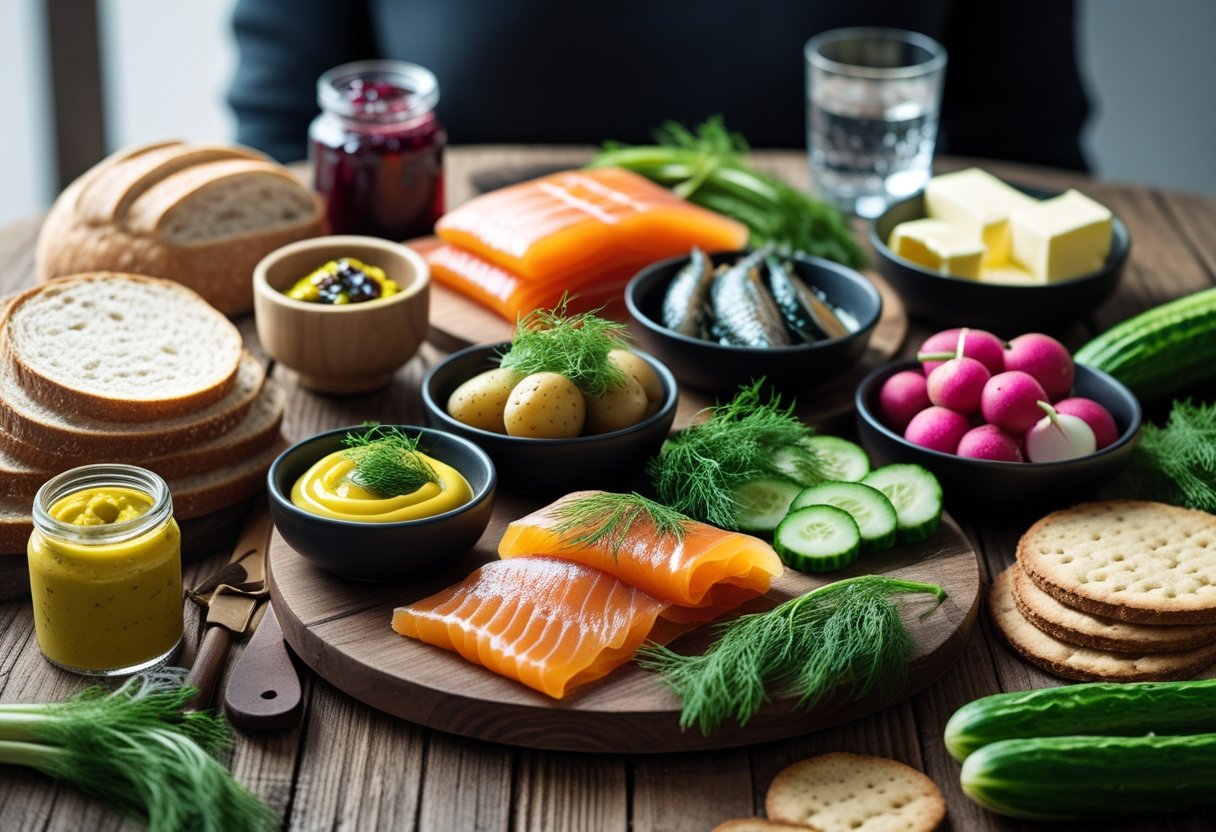
The variety across Scandinavia is notable, with each country contributing unique dishes while sharing common staples like herring, potatoes, and berries. Modern Scandinavian cooking also embraces innovation, blending classic recipes with contemporary trends to create new dining experiences. Those interested in exploring this cuisine will find it rooted in both history and a vibrant food culture today.
Understanding Scandinavian food means discovering its balance between tradition and innovation, where local, seasonal ingredients play a central role. Enthusiasts can explore options ranging from festive sweets to robust main courses, making it a cuisine that caters to diverse tastes and occasions. More details on the top dishes and characteristics can be found at the Top 100 Scandinavian Foods.
,
Core Scandinavian Food Staples
Scandinavian cuisine relies heavily on natural, locally sourced ingredients. Its staples are deeply tied to the region’s climate and history, focusing on preserved foods and nutrient-rich basics. These staples form the foundation of many traditional dishes.
Rye Bread and Baked Goods
Rye bread holds a central place in Scandinavian diets. Dense and dark, it is often made from whole grain rye flour and sometimes sourdough. This bread is rich in fiber and has a slightly sour taste, making it a perfect base for open-faced sandwiches or to accompany fish and cheese.
Baked goods also include crispbreads, like knäckebröd, which are thin and crunchy, often enjoyed with butter or cheese.
Sweet baked goods such as the Swedish princess cake, made with layers of sponge, jam, cream, and marzipan, highlight the regional preference for simple yet rich pastries.
Traditional Fish Dishes
Fish is integral to Scandinavian cuisine due to abundant access to the sea. Cod, salmon, herring, and mackerel are common.
Many dishes utilize preserving methods like smoking, curing, or pickling. Gravlax, cured salmon seasoned with dill and salt, is a popular example.
Fish can be prepared fresh or served cold, often with mustard sauce or dill. Dishes like fried fish balls or fish soup also emphasize fresh, local catch.
These fish staples highlight the balance of flavor and preservation that defines the region’s culinary traditions. More insight into these dishes can be found in this guide to Scandinavian food.
Dairy Products and Cheese
Dairy is important, especially in Sweden, Norway, and Denmark. Milk, cream, and butter are daily essentials and bases for many recipes.
Cheese varieties range from fresh, soft cheeses to aged, hard ones. For example, Swedish Västerbotten cheese is celebrated for its strong, savory flavor.
Other dairy products include skyr, a thick yogurt popular in Iceland, known for being high in protein and low in fat.
Butter plays a key role in Scandinavian cooking, often used in baking or as a topping for bread, enhancing natural flavors without overwhelming dishes.
Meat and Sausage Varieties
Meat, particularly pork and game, appears regularly but is less dominant than fish. Meatballs, or köttbullar, are emblematic, usually made from a blend of beef and pork, served with lingonberry jam and potatoes.
Sausages, often smoked or dried, provide a flavorful, long-lasting protein source for colder months. Common types include renskav (reindeer meat) sausages in northern areas.
Preservation by curing or smoking is common, reflecting traditional needs. Meat dishes tend to highlight robust but straightforward seasoning, focusing on the meat’s natural taste.
For detailed descriptions and recommendations on these meat varieties, this Scandinavian food guide offers thorough coverage.
,
Popular Scandinavian Sweets and Desserts
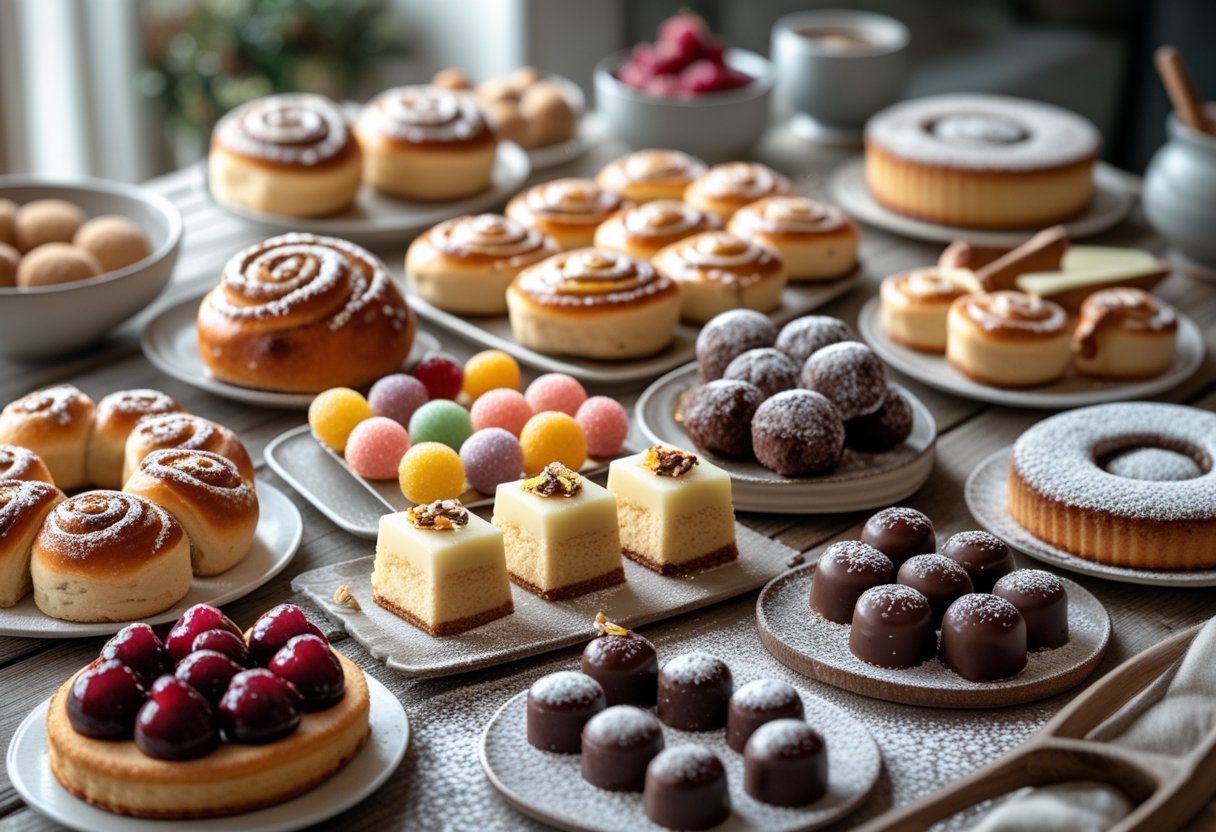
Scandinavian desserts often balance simple ingredients with unique flavors such as cardamom, cinnamon, and cloudberries. Many sweets are baked with a focus on texture, combining crunchy exteriors with soft or moist interiors. Tradition plays a strong role, with recipes passed down through generations.
Cookies and Pastries
Scandinavia offers a variety of cookies and pastries, prized for their distinctive spices and shapes. Kanelbullar, Swedish cinnamon rolls, stand out with their aromatic cinnamon and cardamom blend, often topped with pearl sugar.
Other popular cookies include pepparkakor, thin ginger-spiced biscuits enjoyed especially around Christmas. Amo cookies are less known internationally but appreciated locally for their buttery texture and mild sweetness.
Pastries often feature flaky dough and fillings like almond paste, fruit jams, or custard. The texture is usually crisp outside and tender inside, as seen in Danish pastries. These items are commonly served with coffee during fika, a Scandinavian coffee break tradition.
Traditional Cakes
Traditional Scandinavian cakes often showcase rich yet balanced flavors. A prominent example is the kladdkaka, a Swedish dense chocolate cake with a moist center and a crunchy top layer, prized for its fudgy texture.
Another classic is the Prinsesstårta or Princess Cake, noted for its layers of sponge cake, custard, and whipped cream, covered by a smooth marzipan shell, often green in color. This cake combines lightness with subtle sweetness, making it a festive favorite.
Berry-infused cakes, such as those featuring cloudberries or lingonberries, also hold cultural importance, offering a tart contrast that complements the natural sweetness of the cake batter or frosting.
Seasonal and Holiday Treats
Seasonal treats in Scandinavia often revolve around holidays and local harvests. Cloudberry jam is frequently used in various sweets during summer and Christmas.
During Easter and Christmas, sweets like krumkake, a delicate waffle cookie shaped around a cone, are traditional. These light and crispy cookies often accompany cream or jam.
Specialty buns and breads spiced with saffron or cardamom also appear around festive seasons. These items showcase the region’s preference for warming spices and fruit preserves, linking the desserts closely to both the natural environment and cultural rituals.
For more detailed recipes and information on these Scandinavian sweets, visit Scandinavian Desserts.
,
Famous Brands and Modern Scandinavian Food Culture
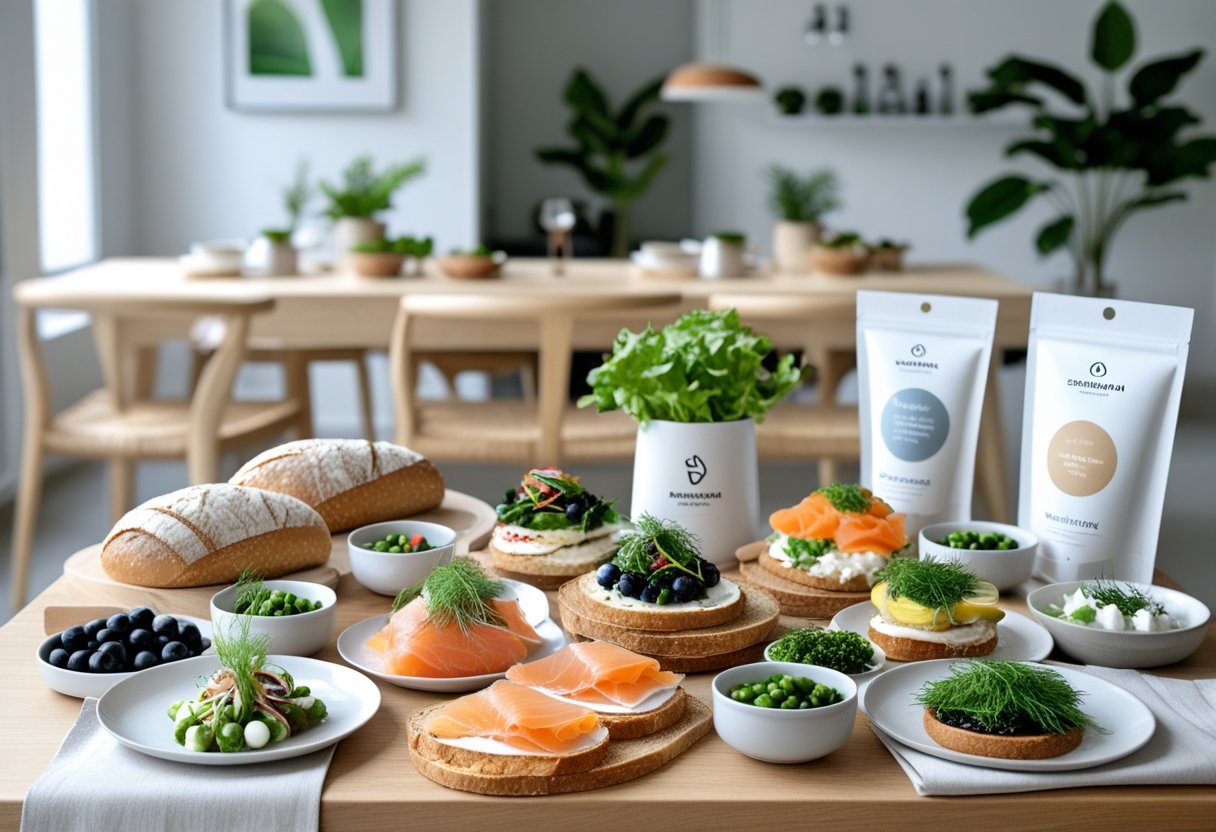
Scandinavian food culture today blends traditional ingredients with innovation. Established brands continue to shape regional tastes, while new food trends emphasize sustainability, local sourcing, and refined flavors. Imports also influence availability and variety in shops across the region.
Well-Known Scandinavian Food Brands
Several long-standing brands have become staples in Scandinavian kitchens. Amo, for example, is a prominent Norwegian dairy company known for high-quality cheese and butter products. Their cheeses, often mild and creamy, represent Scandinavian attention to dairy craftsmanship.
In Sweden and Denmark, rye bread producers maintain a strong presence. Rye bread, dense and flavorful, is a dietary cornerstone, often offered by brands with decades of local heritage. Scandinavian cookie brands, often featuring buttery, spiced varieties, are popular for both daily consumption and festive occasions.
Fish companies are crucial as well. Many specialize in smoked, pickled, or cured fish, reflecting the region’s fishing history. These brands supply key items like salmon and herring, linking the food’s traditional roots to modern tables.
Contemporary Food Trends
Modern Scandinavian food culture embraces fresh, local ingredients and innovative methods. The New Nordic movement promotes seasonal vegetables, wild herbs, and sustainable fish farming. Chefs often experiment with combining ancient staples like rye bread with contemporary recipes.
Health-conscious choices shape many consumers’ habits. Rye bread, rich in fiber, has gained renewed popularity for its nutritional benefits. Likewise, natural cheese varieties from local dairies are preferred over processed alternatives.
Sustainability is central. Many producers now focus on reducing waste and promoting ethical sourcing. This shift influences how traditional foods, such as fish and dairy, are produced and marketed.
Food Shopping and Imports
In Scandinavian grocery stores, a mix of local and imported food items is typical. Imported goods complement regional products, especially tropical fruits and spices not native to the Nordic climate.
Supermarkets often stock a wide selection of fish and dairy, with an emphasis on freshness. Rye bread from local bakeries shares shelf space with imported breads and wraps, catering to diverse tastes.
Specialty shops and online stores also play a role in bringing Scandinavian foods like Amo cheese and traditional cookies to international markets. Imports diversify consumer options but the focus remains on preserving authentic food experiences within Scandinavia.
For more insights, see the list of must-try Scandinavian foods.
,
Frequently Asked Questions
Scandinavian cuisine features distinctive dishes built on fresh, seasonal, and locally sourced ingredients. Traditional recipes often revolve around fish, root vegetables, dairy, and whole grains, reflecting the regional climate and culture.
What are some traditional dishes to try when visiting Scandinavia?
Visitors should try gravlax, cured salmon seasoned with dill and served with mustard sauce. Meatballs with lingonberry jam are a widely recognized dish. Other dishes include rye bread, pickled herring, and creamy fish soups.
Which dishes are considered the staples of Scandinavian cuisine?
Staples include fish varieties such as salmon, herring, and cod, along with potatoes and rye bread. Root vegetables like carrots and beets are common. Dairy products, especially cheese and cultured milk, are also essential.
How can one prepare authentic Scandinavian dishes at home?
Using fresh, seasonal ingredients is key to authenticity. Recipes often require simple preparation methods such as curing, smoking, or pickling fish. Traditional spices like dill, juniper, and mustard seed add distinctive flavors.
What do Scandinavian people typically eat for dinner?
Dinners frequently consist of fish or meat with boiled potatoes and vegetables. Rich, creamy sauces or soups may accompany the meal. Preserved foods like smoked or salted fish are also common.
What beverages are traditionally consumed in Scandinavian countries?
Coffee is widely consumed throughout the day. Aquavit, a flavored spirit, is popular during celebrations. Beer and light alcoholic drinks are preferred, with wine consumed in moderation.
What are the distinctive flavors and ingredients of Nordic style food?
Nordic cuisine favors clean, fresh tastes with ingredients like canola oil, berries, wild herbs, and root vegetables. It emphasizes simple seasoning and preservation techniques that enhance natural flavors. For detailed insights, see Nordic and Scandinavian Cuisines.